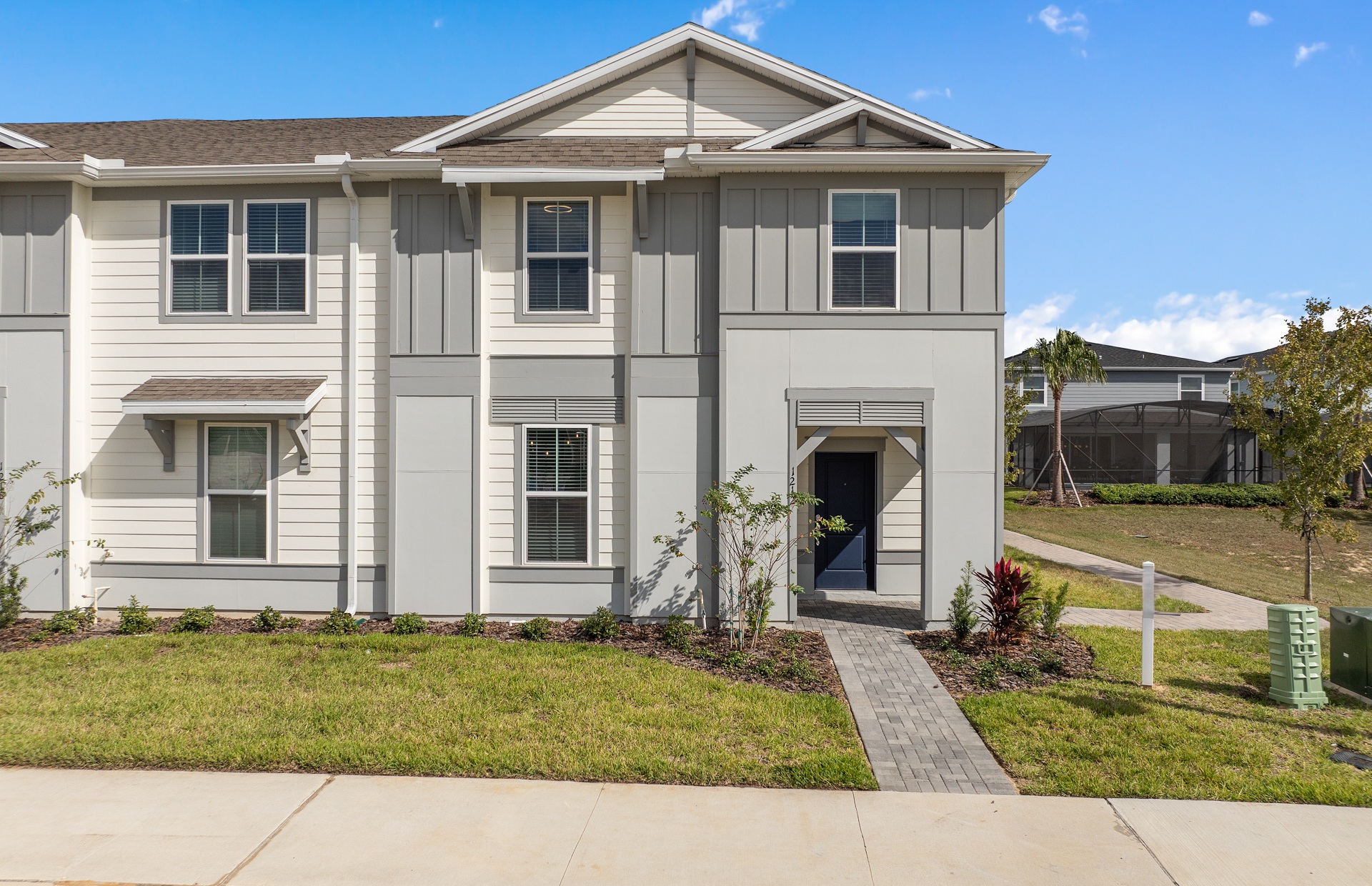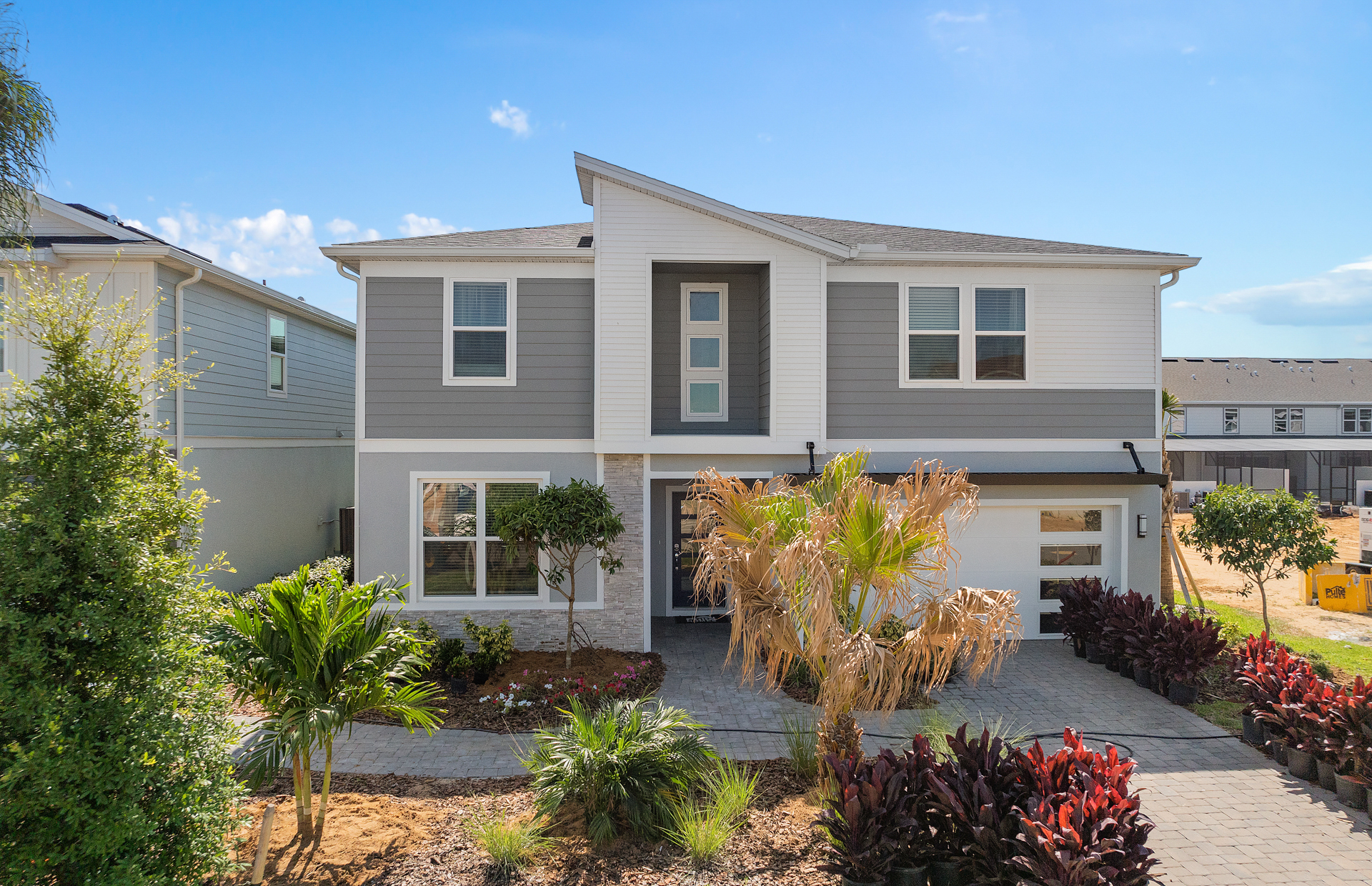
International investors purchasing real estate in Florida must make one of the most important strategic decisions before choosing a property: whether the property will operate as a short-term rental or a long-term rental.
Both strategies can generate rental income, but they involve different properties, locations, regulations, operating expenses, management responsibilities, financing requirements, and levels of risk.
A short-term rental may generate higher gross revenue in a tourism-driven location, but it usually requires more active management and higher operating costs. A long-term rental may provide more predictable occupancy and simpler administration, but the monthly income may be lower and the property may offer less flexibility for personal use.
This guide compares short-term vs. long-term rentals in Florida and explains how international investors can evaluate each strategy based on income potential, expenses, financing, regulations, management, and long-term investment objectives.
Quick answer: Short-term rentals may be suitable for investors seeking higher gross revenue, personal-use flexibility, and exposure to tourism markets. Long-term rentals may be better for investors who prioritize stable occupancy, simpler operations, and more predictable monthly income. The best option depends on the property, location, budget, financing, regulations, management plan, and investor’s risk tolerance.
What Is a Short-Term Rental?
A short-term rental is a furnished property rented to guests for relatively brief periods. Depending on the local rules and rental platform, a reservation may last a few nights, several weeks, or a few months.
Short-term rentals are commonly marketed through platforms and direct-booking channels. They may include:
- Vacation homes;
- Furnished condominiums;
- Townhomes in resort communities;
- Single-family homes near tourism areas;
- Properties serving business travelers;
- Furnished medium-term accommodations;
- Properties used by the owner during selected periods.
In Florida, short-term rental demand may be connected to tourism, conventions, beaches, seasonal travel, sporting events, medical stays, corporate travel, family visits, and temporary relocations.
However, not every Florida property can legally operate as a short-term rental. The intended use must be verified before the property is purchased.
What Is a Long-Term Rental?
A long-term rental is generally leased to a tenant for an extended period, commonly six months, twelve months, or longer.
The property may be furnished or unfurnished, although most traditional long-term rentals are offered without furniture.
Long-term rental properties may include:
- Single-family homes;
- Townhomes;
- Condominiums;
- Duplexes and small multifamily properties;
- Apartments;
- Residential properties near employment centers;
- Properties serving families, students, professionals, and local workers.
Long-term tenants usually pay a fixed monthly rent according to a lease agreement. Depending on the contract, the tenant may also be responsible for utilities, landscaping, pool maintenance, or other expenses.
Key Differences Between Short-Term and Long-Term Rentals
| Factor | Short-Term Rental | Long-Term Rental |
|---|---|---|
| Rental period | Nights, weeks, or short stays | Usually six to twelve months or longer |
| Income structure | Variable nightly or weekly revenue | Fixed monthly rent |
| Furniture | Normally fully furnished | Usually unfurnished |
| Management intensity | High | Moderate |
| Occupancy | Can fluctuate by season | More predictable during the lease |
| Utilities | Usually paid by the owner | Often paid by the tenant |
| Personal use | May be possible between reservations | Usually unavailable during the lease |
| Operating costs | Generally higher | Generally lower |
| Regulatory review | More complex | Usually simpler |
| Revenue predictability | Lower | Higher |
Income Potential
Short-Term Rental Income
A short-term rental can potentially generate more gross revenue than a traditional long-term lease when the property is located in a strong tourism or temporary-housing market.
Revenue may depend on:
- Average nightly rate;
- Occupancy percentage;
- Seasonal demand;
- Property size and number of bedrooms;
- Location and proximity to demand generators;
- Property condition and design;
- Guest reviews;
- Photography and listing quality;
- Dynamic pricing;
- Community amenities;
- Competition from nearby properties.
Short-term rental income can change from month to month. Peak travel periods may generate strong revenue, while lower-demand periods may produce reduced occupancy and lower nightly rates.
Investors should not assume that the highest advertised nightly rate will apply throughout the year.
Long-Term Rental Income
A long-term rental typically produces a fixed monthly payment during the lease period. This can make budgeting and cash-flow planning more predictable.
Long-term rent may depend on:
- Local tenant demand;
- Neighborhood quality;
- School districts;
- Proximity to employment centers;
- Property size and condition;
- Number of bedrooms and bathrooms;
- Parking and community amenities;
- Competing rental inventory;
- Tenant income levels;
- Local housing supply.
The gross monthly rent may be lower than the potential gross revenue of a successful short-term rental. However, a long-term tenant may provide more consistent occupancy and reduce the costs associated with frequent guest turnover.
Gross Revenue Is Not the Same as Profit
International investors should compare the net income of each strategy rather than focusing only on gross rental revenue.
A short-term property earning $70,000 per year may not necessarily be more profitable than a long-term property earning $36,000 per year if the short-term rental has substantially higher operating expenses.
Net income should be calculated after deducting realistic expenses, including management, insurance, taxes, association fees, maintenance, utilities, vacancies, and reserves.
Short-Term Rental Operating Expenses
A short-term rental can involve many recurring expenses that are not always included in revenue projections presented by a seller, developer, or property manager.
Potential expenses include:
- Mortgage principal and interest;
- Property taxes;
- Homeowners insurance;
- Short-term rental or commercial-use insurance;
- Flood or windstorm coverage;
- Homeowners association fees;
- Property-management fees;
- Platform commissions;
- Payment-processing fees;
- Cleaning and laundry services;
- Electricity;
- Water and sewer;
- Internet and television services;
- Pool maintenance;
- Landscaping;
- Pest control;
- Guest supplies;
- Furniture and appliance replacement;
- Repairs and preventive maintenance;
- Local licensing and registrations;
- Lodging and tourism tax administration;
- Accounting and tax preparation;
- Vacancy and capital reserves.
Properties with pools, game rooms, outdoor furniture, multiple bedrooms, or resort-style amenities can generate attractive guest demand, but they may also require more maintenance and replacement costs.
Long-Term Rental Operating Expenses
A long-term rental normally has fewer guest-related operating costs. Depending on the lease, the tenant may pay utilities and handle certain routine responsibilities.
Potential expenses include:
- Mortgage principal and interest;
- Property taxes;
- Landlord insurance;
- Flood or windstorm insurance when applicable;
- Homeowners association fees;
- Property-management fees;
- Leasing commissions;
- Lease-renewal fees;
- Repairs and maintenance;
- Landscaping or pool service when owner-paid;
- Vacancy between tenants;
- Tenant turnover expenses;
- Accounting and tax preparation;
- Capital-expenditure reserves.
A long-term tenant may reduce the frequency of cleaning, guest communication, check-ins, and property turnovers. However, the owner must still prepare for repairs, vacancies, tenant screening, lease administration, and possible property damage.
Property Management Requirements
Managing a Short-Term Rental
Short-term rental management is similar to operating a hospitality business. The property may need daily monitoring and rapid responses to guest questions and maintenance issues.
Management activities may include:
- Creating and updating listings;
- Managing nightly pricing;
- Responding to guest inquiries;
- Coordinating reservations;
- Managing check-in and check-out;
- Scheduling cleaning and inspections;
- Replacing supplies;
- Managing guest reviews;
- Handling emergencies;
- Coordinating repairs;
- Managing platform disputes;
- Monitoring local licenses and tax obligations.
International owners usually need a local property manager or an established operational team.
The management agreement should explain all fees, including booking commissions, cleaning coordination, maintenance markups, inspection charges, photography, listing setup, and cancellation terms.
Managing a Long-Term Rental
Long-term property management is normally less intensive on a daily basis. The manager may be responsible for:
- Marketing the property;
- Screening tenants;
- Preparing lease documents;
- Collecting rent;
- Coordinating maintenance;
- Managing lease renewals;
- Conducting property inspections;
- Handling tenant communication;
- Managing notices and lease compliance;
- Preparing monthly and annual reports.
Investors should compare the monthly management fee, leasing fee, renewal fee, maintenance policy, inspection frequency, and contract cancellation terms.
Regulations and Rental Restrictions
Short-Term Rental Restrictions
Short-term rental rules can vary according to the city, county, zoning district, condominium, homeowners association, and specific property.
Before purchasing, the investor should verify:
- Whether short-term rentals are legally permitted at the address;
- Minimum rental periods;
- Local business-license requirements;
- Vacation-rental registrations;
- Occupancy limits;
- Parking requirements;
- Noise regulations;
- Fire and safety requirements;
- Homeowners association restrictions;
- Condominium rental restrictions;
- Tourism and lodging tax obligations;
- Required property-manager or local-contact information.
A property located near Orlando attractions, a beach, or another tourism destination is not automatically approved for short-term rental use.
The investor should obtain written confirmation from the appropriate authorities and review the association documents before the due-diligence period expires.
Long-Term Rental Restrictions
Long-term rentals may also be subject to association and local rules. A community may establish:
- Minimum lease periods;
- Limits on the number of rentals;
- Tenant-approval procedures;
- Background-screening requirements;
- Lease-registration fees;
- Waiting periods before an owner may rent;
- Restrictions on subleasing;
- Limits on the number of leases permitted each year.
Investors should review the complete association documents rather than relying only on a seller’s statement that rentals are allowed.
Short-Term Rental Markets in Florida
Short-term rental opportunities may exist in tourism, coastal, convention, and seasonal destinations throughout Florida.
Markets commonly evaluated by investors include:
- Orlando tourism-area communities;
- Kissimmee;
- Davenport;
- Haines City;
- Clermont;
- Miami and Miami Beach;
- Fort Lauderdale;
- Clearwater and selected Tampa Bay areas;
- Fort Myers and Cape Coral;
- Naples and Southwest Florida;
- Selected beach communities throughout the state.
Rental legality and profitability must be analyzed at the property level. Two nearby homes can have different rules because they are located in different cities, zoning areas, or homeowners associations.
Long-Term Rental Markets in Florida
Long-term rental demand may be supported by population growth, employment, education, healthcare, logistics, military activity, tourism-related workers, and family relocation.
Markets frequently evaluated for long-term residential rentals include:
- Orlando and surrounding communities;
- Tampa Bay;
- Jacksonville;
- Lakeland and Winter Haven;
- Haines City;
- Davenport;
- Clermont;
- Sanford;
- Ocala;
- Fort Myers;
- Cape Coral;
- South Florida residential communities.
The best long-term rental market will depend on the purchase price, local rents, taxes, insurance, employment base, vacancy, neighborhood, property condition, and competition from new housing.
Orlando Short-Term Rentals
Orlando and the Central Florida tourism region attract investors interested in vacation-rental properties. However, the City of Orlando and the broader tourism region are not the same rental market.
Many vacation-rental communities are located in areas outside the Orlando urban core, including parts of Osceola and Polk counties.
An Orlando-area short-term rental analysis should include:
- Legal rental permission;
- Distance from attractions and demand generators;
- Number of bedrooms;
- Private pool and community amenities;
- Average nightly rate;
- Realistic annual occupancy;
- Seasonal demand;
- Property-management costs;
- Cleaning expenses;
- Homeowners association fees;
- Competition from similar homes;
- Furniture and maintenance reserves.
A larger home may generate more gross revenue, but it can also involve higher purchase costs, utilities, cleaning, furnishing, pool maintenance, insurance, and repairs.
Orlando Long-Term Rentals
Orlando and Central Florida also contain long-term rental markets serving families, students, healthcare professionals, hospitality workers, corporate employees, and relocating residents.
Long-term rental demand may exist near:
- Employment centers;
- Hospitals and medical districts;
- Universities and colleges;
- Transportation corridors;
- Schools;
- Retail and commercial areas;
- Growing residential communities.
Investors should compare local market rent with property taxes, insurance, association fees, financing payments, management, maintenance, and vacancy reserves.
Financing Differences
Financing availability and loan terms may differ depending on the intended property use.
Short-Term Rental Financing
A lender may evaluate:
- Whether the property type is eligible;
- Whether short-term rental use is permitted;
- The property’s market rent;
- Historical short-term rental income when accepted;
- The borrower’s down payment;
- Financial reserves;
- The expected debt service coverage ratio;
- Homeowners association restrictions;
- Insurance availability;
- Property condition.
Not every lender uses projected short-term rental revenue for qualification. Some may rely on a traditional market-rent analysis instead.
Long-Term Rental Financing
A lender may use a current lease, comparable market rents, an appraisal rent schedule, borrower income, assets, or the property’s debt service coverage ratio.
International investors may have access to:
- Foreign national mortgage programs;
- DSCR loans;
- Portfolio loans;
- Business-purpose investment-property loans;
- Cash purchases followed by refinancing.
Loan programs, down-payment requirements, interest rates, fees, reserves, and property eligibility vary by lender.
Insurance Considerations
Insurance should be reviewed before the investor becomes contractually committed to the purchase.
Short-Term Rental Insurance
A standard homeowners policy may not provide the appropriate coverage for frequent guest stays or business-related rental activity.
The investor may need coverage for:
- The building;
- Furniture and contents;
- Guest-related liability;
- Loss of rental income;
- Property damage;
- Pool or amenity-related risks;
- Flood and windstorm exposure;
- Business-related property use.
Long-Term Rental Insurance
A long-term rental commonly requires a landlord policy rather than a standard owner-occupied homeowners policy.
Coverage may include:
- The building;
- Owner-owned appliances;
- Liability protection;
- Loss of rental income after an eligible covered event;
- Flood or windstorm coverage when applicable.
Policy terms, exclusions, deductibles, and replacement-cost limits should be reviewed carefully.
Personal Use of the Property
Short-term rentals may provide more flexibility for investors who want to use the property during selected periods.
However, personal use can reduce rental income and may affect tax treatment, insurance, management, and reservation availability.
A long-term rental generally cannot be used by the owner while a tenant has the legal right to occupy the property under the lease.
An investor seeking both personal use and rental income should evaluate whether the financial performance remains acceptable after blocking dates for family use.
Tax Considerations
Rental income earned from US real estate may create federal, state, and local reporting obligations for international owners.
Potential tax considerations include:
- Federal income tax reporting;
- Property taxes;
- Depreciation;
- Deductible operating expenses;
- Local lodging or tourism taxes;
- Sales-related taxes when applicable;
- Entity-level tax filings;
- FIRPTA procedures when the property is sold;
- Tax obligations in the investor’s country of residence.
Short-term rental operations may have additional local tax-registration and collection requirements that do not apply in the same way to traditional long-term leases.
International investors should work with qualified US and home-country tax professionals.
Which Strategy Offers More Stable Income?
Long-term rentals generally provide more stable monthly revenue during the lease term. The investor knows the agreed monthly rent and can estimate annual income more easily.
Short-term rental income can vary because of:
- Seasonality;
- Economic conditions;
- Travel demand;
- Competition;
- Platform visibility;
- Guest reviews;
- Pricing strategy;
- Weather events;
- Changes in local regulations.
A short-term rental may perform strongly during high-demand periods while producing weaker results in other months.
Which Strategy Has More Management Risk?
Short-term rentals generally involve more operational risk because they require frequent guest turnover, cleaning, communication, pricing, property inspections, and maintenance.
A long-term rental can still involve management risks, including:
- Tenant nonpayment;
- Property damage;
- Lease violations;
- Long vacancy periods;
- Legal compliance;
- Delayed maintenance;
- Tenant-screening errors.
The appropriate strategy depends on whether the investor has an experienced local management team and sufficient financial reserves.
Which Strategy May Be Better for Foreign Investors?
A Short-Term Rental May Be Suitable When:
- The investor wants potential for higher gross revenue;
- The property is located in a legally approved tourism market;
- The investor wants limited personal use;
- An experienced local management company is available;
- The investor accepts seasonal income fluctuations;
- The budget includes furniture, cleaning, utilities, and reserves;
- The investor is prepared to operate the property as a hospitality business.
A Long-Term Rental May Be Suitable When:
- The investor prioritizes predictable monthly rent;
- The investor wants simpler property operations;
- The property is located in a strong residential rental market;
- The investor does not need frequent personal access;
- The investor prefers lower turnover costs;
- The financing works with local long-term rents;
- The investor wants a more passive management structure.
Can a Property Use Both Strategies?
Some investors consider changing between short-term, medium-term, and long-term rental strategies.
Before planning a flexible strategy, verify:
- Local rental regulations;
- Homeowners association rules;
- Condominium restrictions;
- Loan requirements;
- Insurance coverage;
- Local tax obligations;
- Minimum lease periods;
- Management capabilities.
A property legally approved for long-term rentals may not qualify for vacation-rental use. Changing strategies may require new licenses, insurance, contracts, furniture, marketing, and management.
How to Compare Short-Term and Long-Term Cash Flow
The investor should prepare separate financial analyses for each strategy.
Short-Term Rental Analysis
Estimate:
- Average nightly rate;
- Annual occupancy;
- Gross booking revenue;
- Cleaning revenue and cleaning expenses;
- Management fees;
- Platform fees;
- Utilities;
- Insurance;
- Property taxes;
- Association fees;
- Repairs and maintenance;
- Furniture replacement;
- Licensing and tax administration;
- Mortgage payments;
- Operating and vacancy reserves.
Long-Term Rental Analysis
Estimate:
- Monthly market rent;
- Annual gross rent;
- Vacancy allowance;
- Management fees;
- Leasing and renewal fees;
- Property taxes;
- Insurance;
- Association fees;
- Owner-paid utilities;
- Repairs and maintenance;
- Tenant-turnover costs;
- Mortgage payments;
- Capital and operating reserves.
Use conservative assumptions. A financial projection should include lower-income scenarios, unexpected repairs, and possible increases in insurance, taxes, or association fees.
Example Comparison
Assume an investor is comparing two strategies for a Florida property.
Short-Term Rental Example
- Annual gross revenue: $60,000;
- Management and platform expenses: $15,000;
- Utilities, cleaning support, and maintenance: $12,000;
- Taxes, insurance, and association fees: $13,000;
- Estimated income before financing and additional reserves: $20,000.
Long-Term Rental Example
- Annual gross rent: $36,000;
- Management and leasing costs: $4,000;
- Maintenance and vacancy allowance: $4,000;
- Taxes, insurance, and association fees: $12,000;
- Estimated income before financing and additional reserves: $16,000.
In this simplified example, the short-term rental produces substantially more gross revenue, but the difference in estimated income after operating expenses is much smaller.
Actual results will depend on the property, location, financing, occupancy, management, insurance, taxes, and expenses.
Questions to Ask Before Choosing a Strategy
- What is the primary investment objective?
- Is the priority monthly income, appreciation, personal use, or diversification?
- Is short-term rental use legally permitted at the property?
- What are the complete annual operating expenses?
- How seasonal is the rental demand?
- What management company will operate the property?
- How much financial reserve is available?
- What financing programs are available?
- Does the homeowners association permit the intended use?
- What insurance coverage is required?
- What happens if the short-term rental income is lower than expected?
- Can the property perform as a long-term rental if the strategy changes?
- What is the expected holding period?
- Who is the likely future buyer of the property?
Common Short-Term Rental Mistakes
- Assuming that proximity to attractions guarantees occupancy;
- Purchasing without confirming rental permission;
- Using peak-season nightly rates for the entire year;
- Ignoring cleaning, utilities, and management fees;
- Underestimating furniture replacement;
- Relying on guaranteed-rental projections;
- Failing to obtain appropriate insurance;
- Purchasing without an experienced local manager;
- Ignoring competition from similar properties;
- Failing to maintain adequate reserves.
Common Long-Term Rental Mistakes
- Overestimating the monthly market rent;
- Ignoring tenant-screening requirements;
- Failing to budget for vacancy;
- Underestimating repairs and tenant turnover;
- Purchasing in an area with weak rental demand;
- Ignoring homeowners association rental rules;
- Failing to review lease and management contracts;
- Using gross rent instead of net income;
- Purchasing without a long-term maintenance plan;
- Assuming that a new property will require no repairs.
Frequently Asked Questions
Is a short-term rental more profitable than a long-term rental in Florida?
A short-term rental may generate more gross revenue, but it also normally has higher management, cleaning, utility, furnishing, marketing, and maintenance expenses. Profitability must be evaluated using complete net cash flow.
Are short-term rentals legal everywhere in Florida?
No. Rental rules vary according to the city, county, zoning, condominium, homeowners association, and property. Permission should be confirmed for the specific address before purchasing.
What is the best Florida market for vacation rentals?
Parts of Central Florida, South Florida, Southwest Florida, Tampa Bay, and several coastal communities may have vacation-rental demand. The best market depends on property prices, regulations, operating expenses, competition, and realistic occupancy.
Are long-term rentals easier to manage?
Long-term rentals generally require less daily management because the property is occupied by one tenant for an extended period. However, tenant screening, lease compliance, maintenance, vacancy, and property management remain important.
Can a foreign investor operate an Airbnb property in Florida?
A foreign investor may purchase and operate an eligible short-term rental property, subject to local regulations, association rules, licensing, taxes, insurance, financing, and property-management requirements.
Can a foreign investor finance a short-term rental?
Some lenders offer foreign national and DSCR programs for eligible short-term rental properties. Requirements vary and may include a larger down payment, financial reserves, approved rental-income documentation, and property-specific underwriting.
Which strategy provides more stable income?
A long-term lease generally provides more predictable monthly income during the lease period. Short-term rental revenue may fluctuate according to seasonality, occupancy, nightly rates, competition, and travel demand.
Can I use my Florida investment property personally?
Personal use may be possible with a short-term rental when the property is not reserved. Personal use is usually not possible during an active long-term lease. Tax and financial consequences should be reviewed before blocking rental dates.
Do short-term rentals require more insurance?
Short-term rental activity may require specialized coverage because the property is used by frequent guests and operated as an income-producing business. A standard homeowners policy may not provide sufficient protection.
Should I choose the rental strategy before buying the property?
Yes. The intended rental strategy affects the location, property type, legal use, financing, insurance, association rules, operating expenses, and management requirements.
Choose the Right Florida Rental Strategy
The decision between a short-term and long-term rental should be based on the investor’s objective, budget, risk tolerance, management preferences, and expected holding period.
Short-term rentals may offer higher gross revenue and personal-use flexibility, but they require stronger management, larger operating reserves, and careful regulatory analysis.
Long-term rentals may provide more predictable occupancy and simpler administration, but investors must still evaluate tenant demand, rent levels, maintenance, financing, and long-term property performance.
Buldora helps international investors compare Florida rental strategies, evaluate properties using complete financial scenarios, and coordinate the investment process with qualified local professionals.
Compare Florida rental property opportunities with Buldora
About the Author
Raphaela Banks is Co-Founder and Global Real Estate Strategist at Buldora Invest. She develops strategies and educational content to help international investors understand real estate opportunities in the United States, Brazil, and Dubai.
This article is provided for general informational purposes only and does not constitute legal, tax, accounting, immigration, lending, financial, property-management, or investment advice. Rental regulations, financing programs, insurance requirements, taxes, and market conditions may change. Consult qualified professionals before purchasing or operating a rental property.