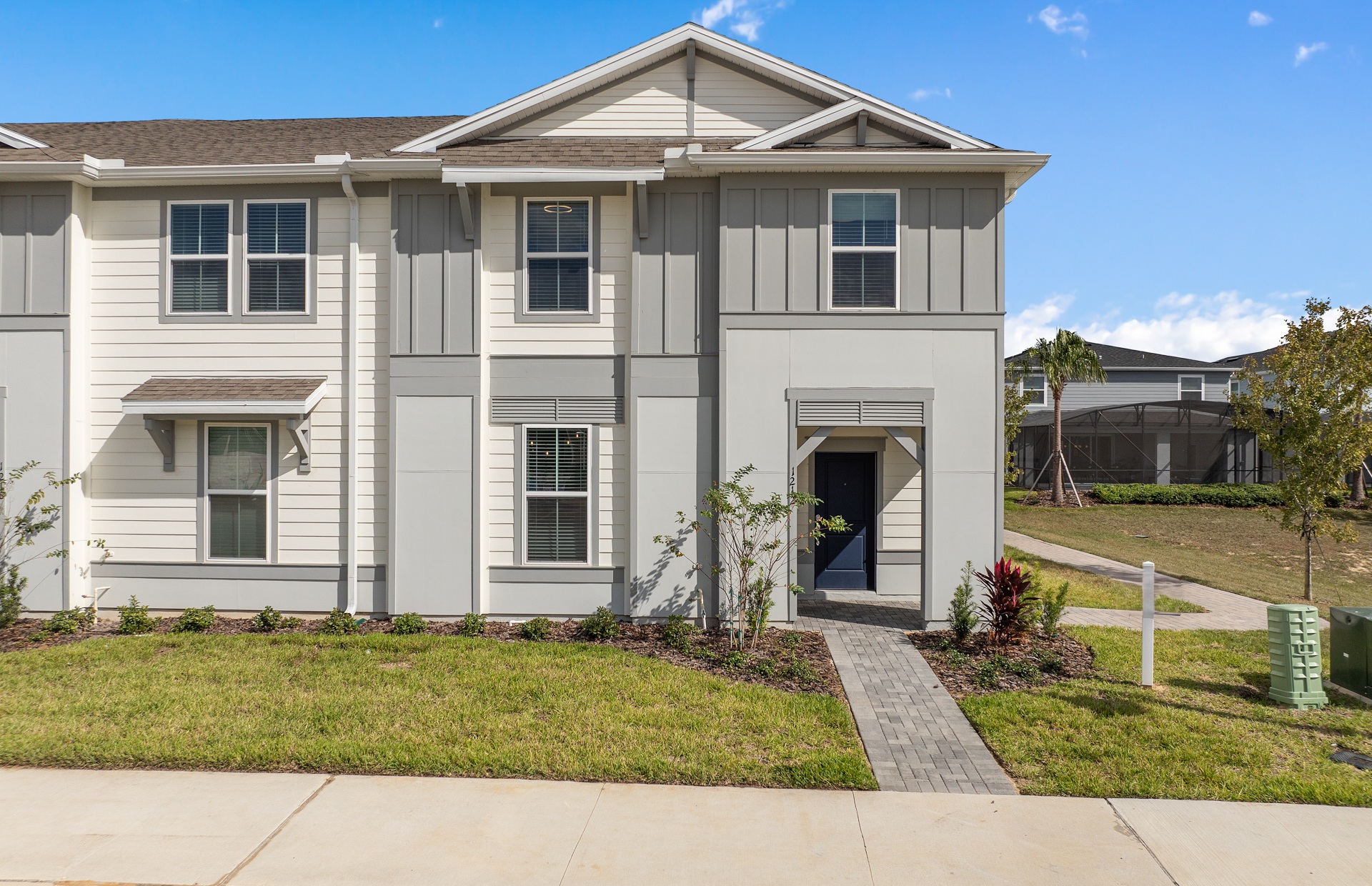
Foreign nationals can invest in real estate in the United States without being US citizens or permanent residents. The American property market offers international buyers access to residential and commercial opportunities, remote ownership options, and a structured legal system designed to protect property rights.
Understanding how to invest in real estate in the USA requires evaluating four essential areas: legal eligibility, ownership structure, financing options, and tax obligations. Market selection is also important because the best location will depend on whether your objective is rental income, capital appreciation, personal use, or portfolio diversification.
Quick answer: International investors can generally purchase US real estate using a valid passport and the financial documentation required for the transaction. However, ownership structures, financing requirements, taxes, and some state-level rules should be reviewed before purchasing.
Can Foreign Nationals Buy Real Estate in the United States?
Yes. Foreign nationals, non-residents, and buyers without a US visa can generally purchase residential and commercial real estate in the United States.
International buyers typically need:
- A valid passport or accepted identification document;
- Proof of funds or financing approval;
- An ITIN when required for financing or tax reporting;
- An EIN when purchasing through a legal entity;
- Documentation requested by the title company, lender, or financial institution.
A US bank account is not always required to complete the purchase. However, opening one can make rent collection, expense payments, property management, and tax reporting significantly easier.
Legal Structures for International Real Estate Investors
International investors commonly purchase US real estate through one of three ownership structures:
- Direct personal ownership;
- A US LLC — Limited Liability Company;
- A domestic or foreign corporation.
Each structure has different legal, tax, reporting, liability, and estate-planning implications. The correct option depends on the investor’s country of residence, investment strategy, number of properties, financing plan, and long-term exit strategy.
Purchasing Through a US LLC
A US LLC is commonly considered by international investors seeking liability protection and operational flexibility. Depending on how it is structured, an LLC may help separate personal assets from property-level liabilities and simplify the management of rental income and property expenses.
However, an LLC does not automatically reduce taxes. The tax treatment depends on the number of members, the tax classification selected, the investor’s country of residence, and any applicable tax treaty.
Before creating an LLC or purchasing a property, investors should consult a qualified US attorney and tax professional with experience assisting foreign nationals.
Financing Options for Foreign Property Buyers
Foreign nationals can obtain mortgage financing in the United States through lenders that offer foreign national loan programs.
These financing programs may consider:
- The investor’s income and assets outside the United States;
- Bank statements and proof of reserves;
- The expected rental income of the property;
- The property’s debt-service coverage ratio;
- The investor’s credit profile in their home country;
- The amount available for the down payment.
Foreign national mortgage programs commonly require a larger down payment than conventional loans available to US residents. Depending on the lender, property, and borrower profile, the required down payment may be approximately 25% to 40%.
Is an ITIN Required for Financing?
An ITIN may be required by certain lenders and is commonly needed for US tax reporting. Because processing can take several weeks, investors planning to finance a property should begin the application process early.
Another possible strategy is purchasing the property with cash and later applying for refinancing after the property establishes a rental and operating history. The availability and terms of refinancing will depend on the lender and the performance of the property.
Tax Obligations for Foreign Real Estate Investors
Foreign owners of US real estate may have federal, state, and local tax obligations. These obligations can involve rental income, annual property taxes, capital gains, tax returns, and withholding requirements when the property is sold.
Rental Income
Rental income earned from a US property may be subject to US federal income tax. Depending on the investor’s tax election and individual circumstances, allowable property expenses may be deducted before taxable income is calculated.
Potential deductible expenses may include:
- Mortgage interest;
- Property management fees;
- Insurance;
- Repairs and maintenance;
- Property taxes;
- Professional services;
- Eligible depreciation.
Tax treaty provisions between the United States and the investor’s country of residence may also affect how income is reported and taxed.
Understanding FIRPTA
FIRPTA stands for the Foreign Investment in Real Property Tax Act. When a foreign owner sells US real estate, FIRPTA may require the buyer or closing agent to withhold a percentage of the gross sale price and submit it to the Internal Revenue Service.
This withholding is not necessarily the investor’s final tax liability. In some situations, the amount may be reduced through a withholding certificate when the expected tax liability is lower. FIRPTA should therefore be considered before the property is purchased, not only when it is sold.
Which US Markets Are Strategic for International Investors?
The right US market depends on the investor’s primary objective. A location suitable for short-term rental income may be different from a market selected for long-term appreciation or personal use.
Florida
Florida is one of the most recognized destinations for international real estate investors. Orlando, Miami, Tampa, Jacksonville, and surrounding communities attract buyers seeking rental demand, population growth, tourism, international accessibility, and portfolio diversification.
Florida also has no individual state income tax. However, investors must still consider federal taxation, property taxes, insurance, homeowners association fees, maintenance costs, rental regulations, and local licensing requirements.
Texas and the Southeastern United States
Markets such as Houston, Dallas, Austin, Atlanta, and Charlotte may offer opportunities for long-term rental demand and capital appreciation. Some of these markets also provide lower entry prices compared with major coastal cities.
A market should be evaluated using fundamentals such as:
- Population and employment growth;
- Rental demand and vacancy rates;
- Property taxes and insurance costs;
- Homeowners association restrictions;
- Local rental regulations;
- Expected operating expenses;
- Potential resale demand.
How to Begin the Investment Process from Abroad
International investors can begin the process remotely by completing several steps in parallel.
- Define the investment objective: rental income, capital appreciation, personal use, or diversification.
- Select a target market: compare entry prices, rental demand, operating expenses, and local regulations.
- Choose an ownership structure: evaluate personal ownership, LLC, or another legal entity.
- Consult qualified professionals: speak with a US attorney, tax professional, lender, and local real estate specialist.
- Confirm financing or available funds: obtain preapproval or prepare proof of funds.
- Search for properties: analyze potential income, expenses, risks, and appreciation.
- Submit an offer: negotiate the price, contingencies, deposit, and closing date.
- Complete due diligence: conduct inspections, title review, appraisal, insurance review, and financial analysis.
- Complete the closing: sign documents, transfer funds, and receive ownership of the property.
- Arrange ongoing management: establish banking, rent collection, accounting, maintenance, and property management.
Can the Purchase Be Completed Remotely?
Yes. Many US real estate transactions can be completed without the buyer being physically present in the United States.
Electronic signatures, remote document delivery, wire transfers, title companies, attorneys, and remote notarization options may allow international buyers to complete most or all of the transaction from abroad.
The exact process depends on the state, title company, lender, legal structure, and documents that require notarization.
How Long Does the Purchase Process Take?
After a property is selected and an offer is accepted, a cash transaction may close within approximately 30 to 45 days. A financed purchase may take approximately 45 to 60 days or longer, depending on the lender, appraisal, documentation, and underwriting process.
Preparing the ownership structure, obtaining an ITIN, opening a bank account, and securing financing can add time before the property search begins.
Ongoing Costs of Owning US Real Estate
International investors should evaluate the complete annual cost of ownership, not only the purchase price and mortgage payment.
Potential ongoing expenses include:
- Property taxes;
- Homeowners insurance;
- Flood or windstorm coverage when applicable;
- Homeowners association fees;
- Property management fees;
- Repairs and preventive maintenance;
- Utilities and landscaping;
- Accounting and tax preparation;
- Vacancy and replacement reserves.
Short-term rental properties may also require furniture, cleaning services, platform fees, local licenses, lodging taxes, and more frequent maintenance.
Frequently Asked Questions
Do I need to be a US resident to buy property?
No. Foreign nationals can generally purchase US real estate without being citizens or permanent residents. State-level rules and restrictions applicable to certain properties should still be reviewed before purchasing.
Can I get a mortgage in the US as a foreign national?
Yes. Some lenders offer foreign national mortgage programs. Requirements may include a larger down payment, proof of international income or assets, financial reserves, and documentation related to the property.
What is FIRPTA and how does it affect me?
FIRPTA is a US tax law that may require withholding when a foreign owner sells US real estate. The amount withheld is not necessarily the seller’s final tax liability and may sometimes be reduced through the appropriate process.
Is Florida the best state for international investors?
Florida is popular among international buyers, but the best market depends on the investor’s budget, rental strategy, risk profile, and long-term objective. Texas and several Southeastern markets may also offer attractive fundamentals.
How long does the purchase process take?
A purchase may take approximately 30 to 60 days after an offer is accepted. The timeline may be longer when financing, entity formation, an ITIN application, or additional international documentation is required.
Do I need a US bank account to buy property?
A US bank account is not always mandatory at closing, but it can significantly simplify rent collection, expense payments, property management, and tax reporting.
Ready to Invest in US Real Estate?
Buldora guides international investors through the real estate investment process, from market and property selection to professional coordination and ongoing remote management.
Explore your investment options with Buldora
This article is provided for general informational purposes and does not constitute legal, tax, accounting, investment, or financial advice. International investors should consult qualified professionals regarding their individual circumstances.