International investors allocate billions annually to U.S. real estate, drawn by the market's dollar-denominated returns, legal protections, and strong rental yields. Properties in Florida, for example, can yield 5% to 12% gross annually, making the U.S. an attractive destination for wealth preservation and growth.
Why Do International Investors Prefer Dollar-Denominated Returns in U.S. Real Estate?
Owning U.S. dollar-denominated assets provides significant capital preservation for investors facing currency devaluation. For instance, rental income and equity appreciation from Florida properties are both in USD, enhancing value as local currencies weaken.
This trend is evident, as the U.S. dollar has appreciated against numerous currencies, including the Brazilian Real and Argentine Peso, over the past 20 years. This strategy is not mere speculation; it is a calculated move for investors from regions with unstable currencies.
By investing in U.S. real estate, they secure their wealth against local financial fluctuations.
What Legal Certainty and Property Rights Exist for Foreign Investors in the U.S.?
The United States real estate market attracts over $60 billion in foreign direct investment annually. International investors benefit from dollar-denominated returns, robust legal protections, and institutional-grade financing — all without U.S. residency requirements.
The U.S. boasts one of the world's most robust legal frameworks for property rights. Title insurance, escrow systems, and comprehensive property laws ensure that ownership is secure and enforceable for international investors.
This level of legal certainty is often absent in emerging markets, where issues like unclear title chains can jeopardize property ownership. Once a property is closed with a clear title in the U.S., ownership is reliably protected, providing peace of mind to foreign investors.
What Financing Options Are Available for Non-Residents in U.S. Real Estate?
The U.S. offers unique financing programs tailored for international buyers. DSCR loans, for example, allow non-residents to invest without needing a Social Security Number or U.S. income history.
A down payment ranging from 20% to 35% and a creditworthy property with adequate rental income are prerequisites for qualification. This leverage significantly enhances returns.
An investor who finances 75% of a property while putting down 25% can achieve higher cash-on-cash returns compared to an all-cash purchase, while still retaining capital for future investments.
What Is the Rental Demand and Yield Potential in U.S. Real Estate?
Florida has experienced an influx of over 1,000 new residents daily, driven by migration from high-tax states and retiree relocations. This consistent demand supports rental occupancy rates exceeding 95% in many Orlando-area submarkets.
In Florida's tourist corridors, short-term rental yields can reach 8% to 12% gross annually, while long-term rentals in suburban Orlando typically yield 5% to 7% gross. These returns are highly competitive compared to global alternatives.
How Does U.S. Real Estate Offer Long-Term Appreciation?
U.S. real estate, particularly in high-growth Sun Belt markets, has historically outpaced inflation over the long term. The persistent supply-demand imbalance, fueled by underbuilding relative to population growth, continues to drive price appreciation in major Florida markets.
Investors can also benefit from new construction properties, which often appreciate from a lower base. Pre-construction pricing frequently offers discounts compared to market value, resulting in immediate equity upon completion.
"Investing in U.S. real estate is not just about immediate returns; it is a strategic move for long-term wealth preservation and growth." — Raphaela Rolim, Co-founder and Chief Strategist
FAQ
Is U.S. real estate a good investment for foreign buyers?
For many international investors, U.S. real estate presents a compelling mix of currency protection, legal security, yield potential, and appreciation, establishing it as one of the most attractive global markets.
How does U.S. real estate compare to real estate in my home country?
The U.S. market typically provides more legal transparency, stronger financing options, and more liquid resale markets than most emerging markets. Key differences often include entry costs and transaction processes.
What types of properties do international investors buy in the U.S.?
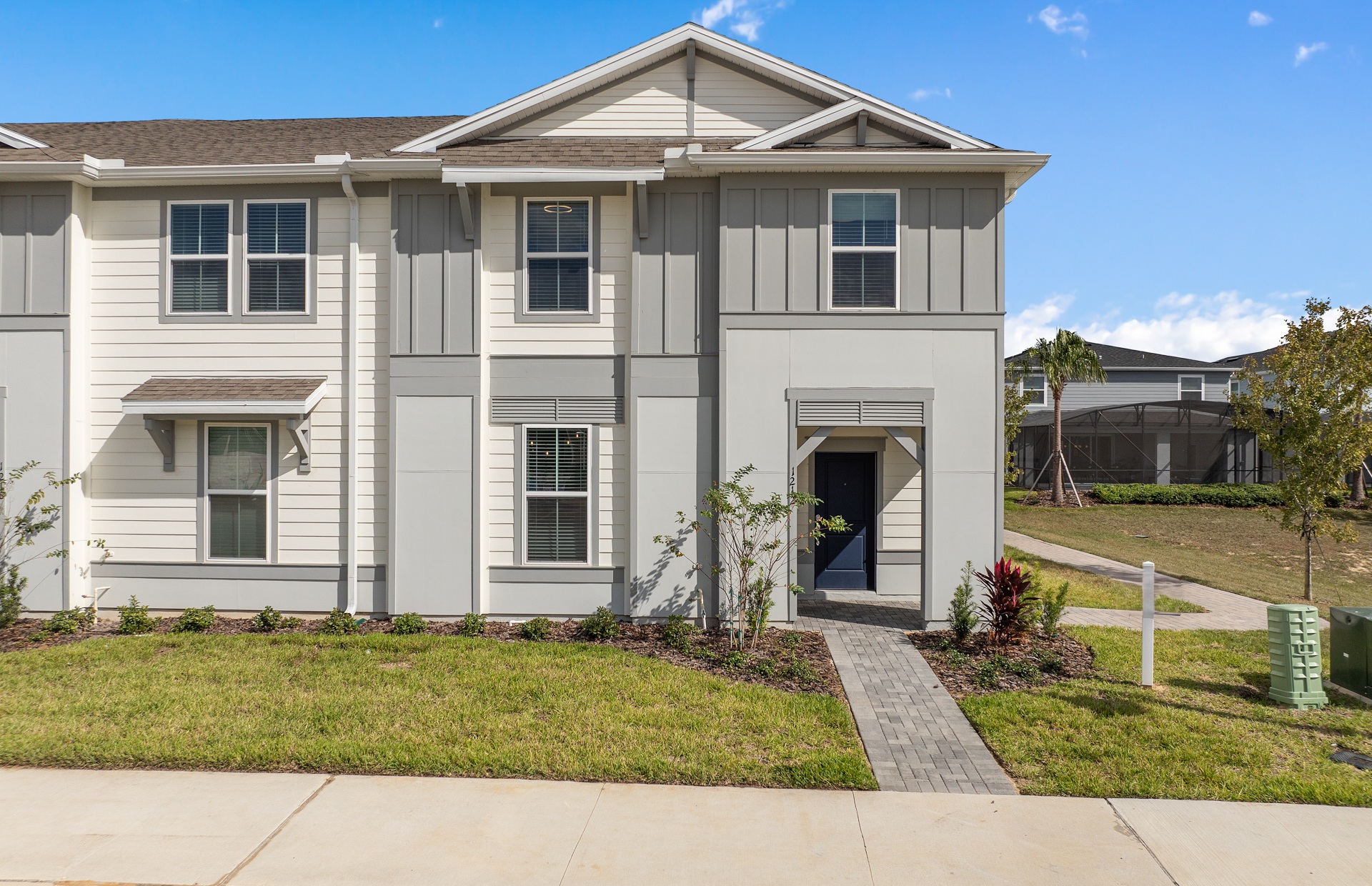
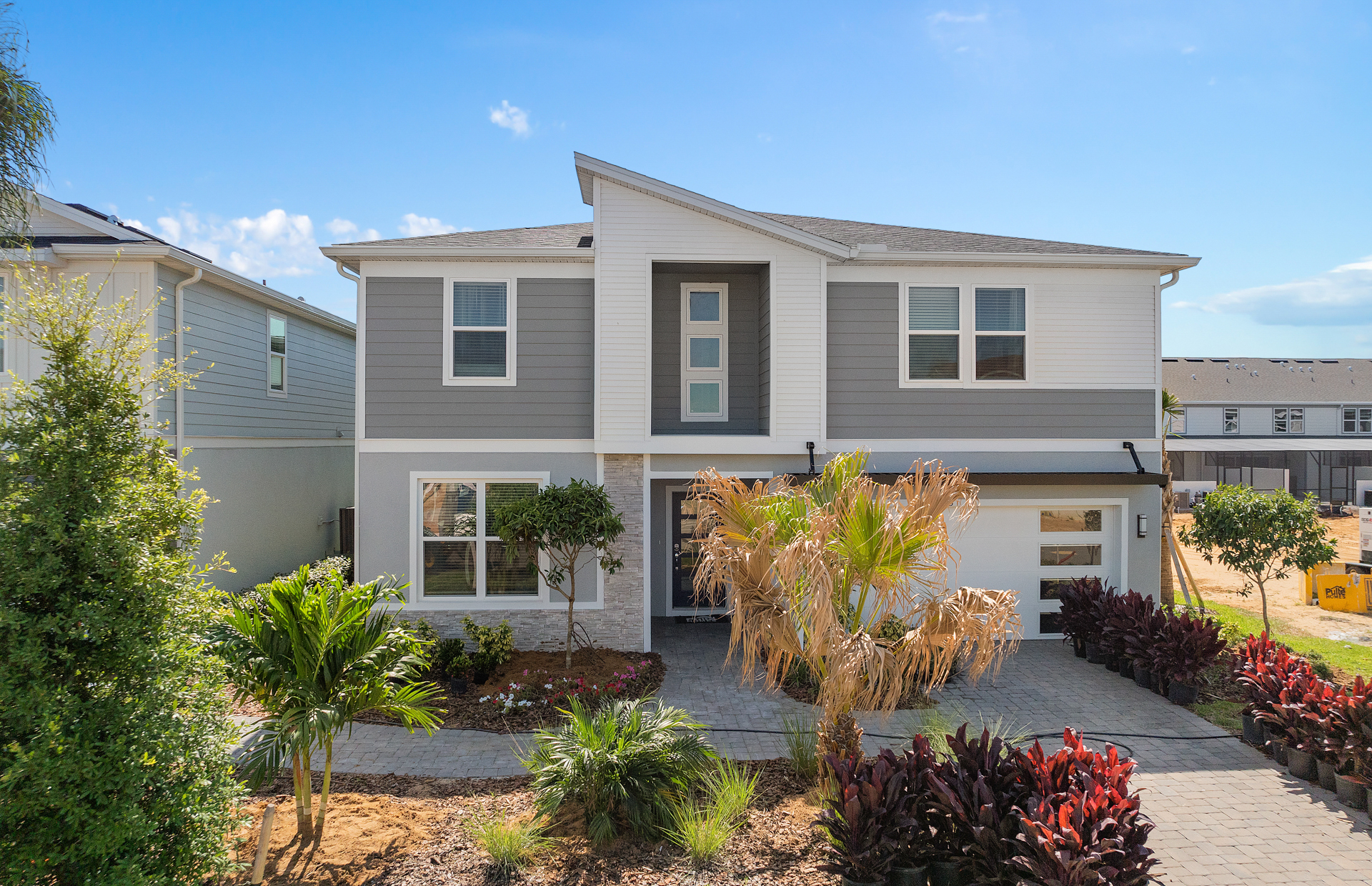
International investors frequently acquire single-family homes, townhomes, condominiums, and multifamily properties for both long-term rentals and short-term vacation rentals, as well as commercial assets for income generation.
Start Your U.S. Real Estate Investment
Buldora helps international investors identify, acquire, and manage real estate opportunities across the United States. Submit your investor profile and receive curated opportunities within 24 hours.