Why Florida Dominates International Real Estate Investment
Florida absorbed more international real estate capital than any other U.S. state in 2024. The structural reasons are well-established: no state income tax, a population growing at twice the national average, a diversified economy, and climate conditions that support year-round occupancy for both long-term and short-term rentals. But Florida is not a monolithic market. The returns, risk profiles, and investment theses vary significantly between the state's major metros.
This analysis compares the four primary Florida markets on the metrics that actually drive investor decision-making: population growth trajectory, median price-to-rent ratios, cap rates, vacancy dynamics, and construction pipeline activity.
Orlando: The Institutional Investor Standard
Orlando consistently ranks as the top Florida market for institutional real estate investors, and for defensible reasons. Tourism infrastructure creates year-round demand for short-term rentals within designated vacation zones. Disney, Universal, and the broader theme park ecosystem generate more than 75 million visitors per year — a permanent demand floor for hospitality-adjacent real estate.
Beyond tourism, Orlando's economy has diversified substantially. Healthcare, aerospace and defense, financial services, and technology now represent the majority of employment. The University of Central Florida enrolls more than 68,000 students, creating consistent long-term rental demand in specific submarkets.
What is the average cap rate for investment properties in Orlando in 2025?
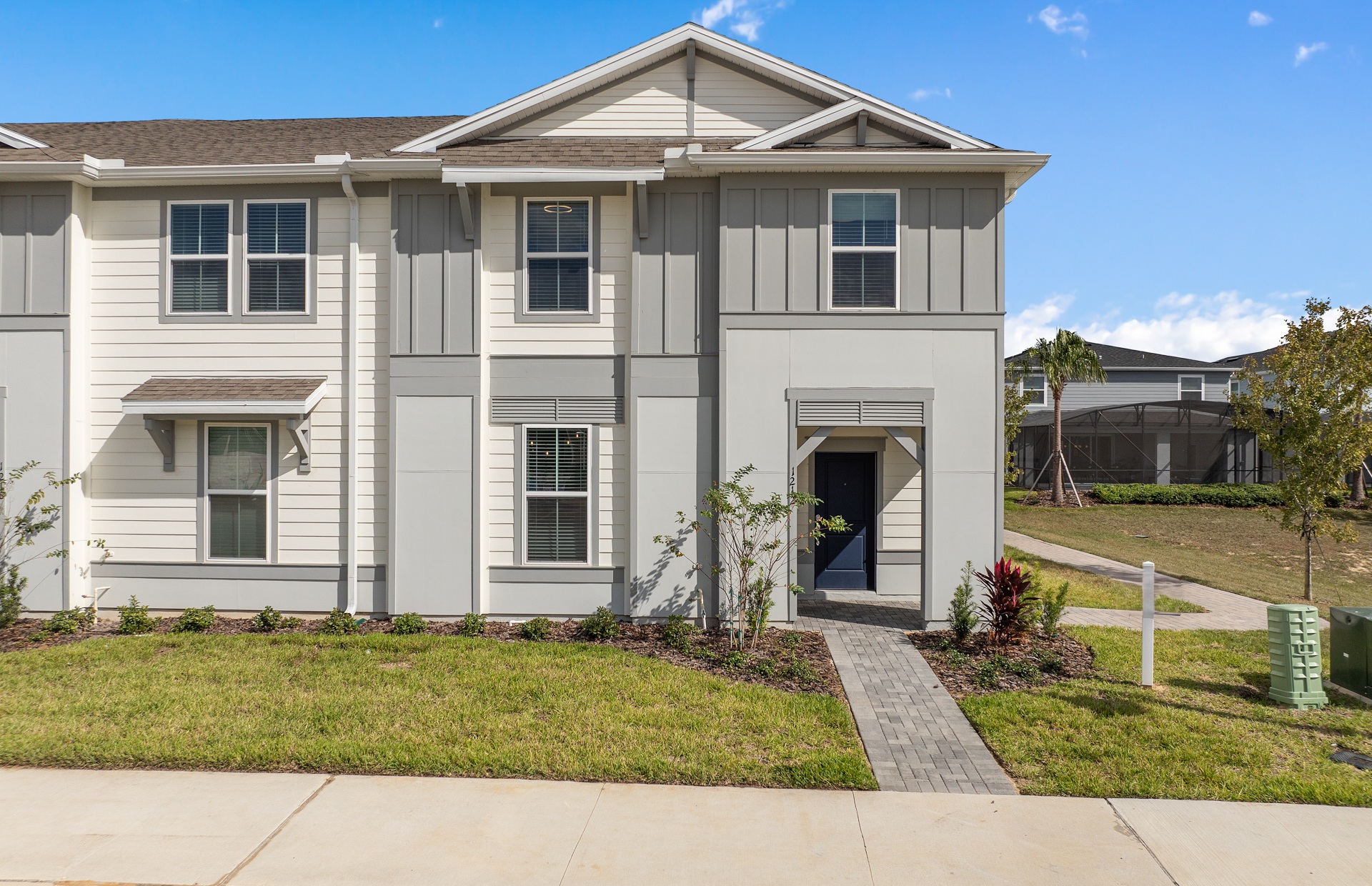
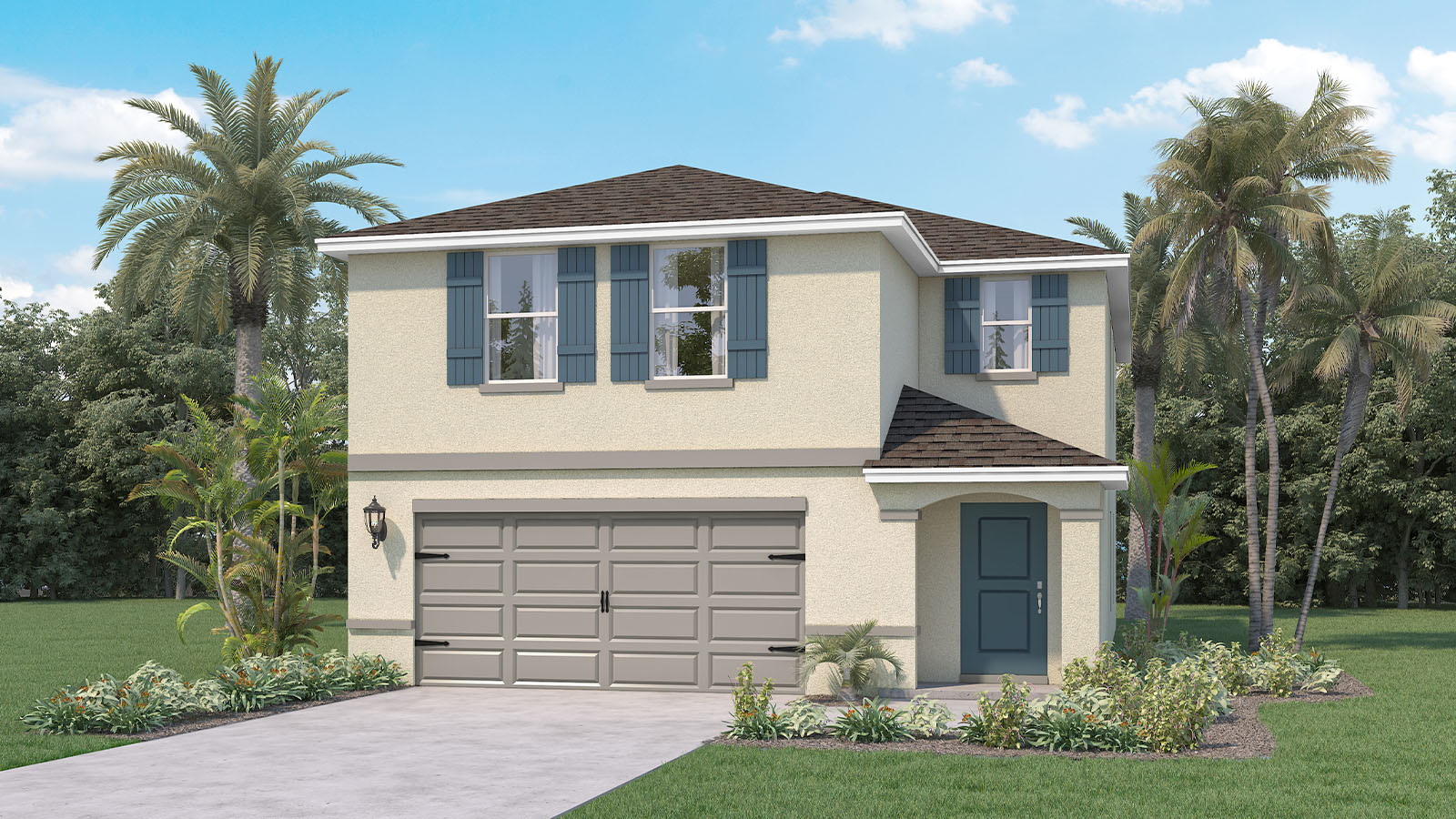
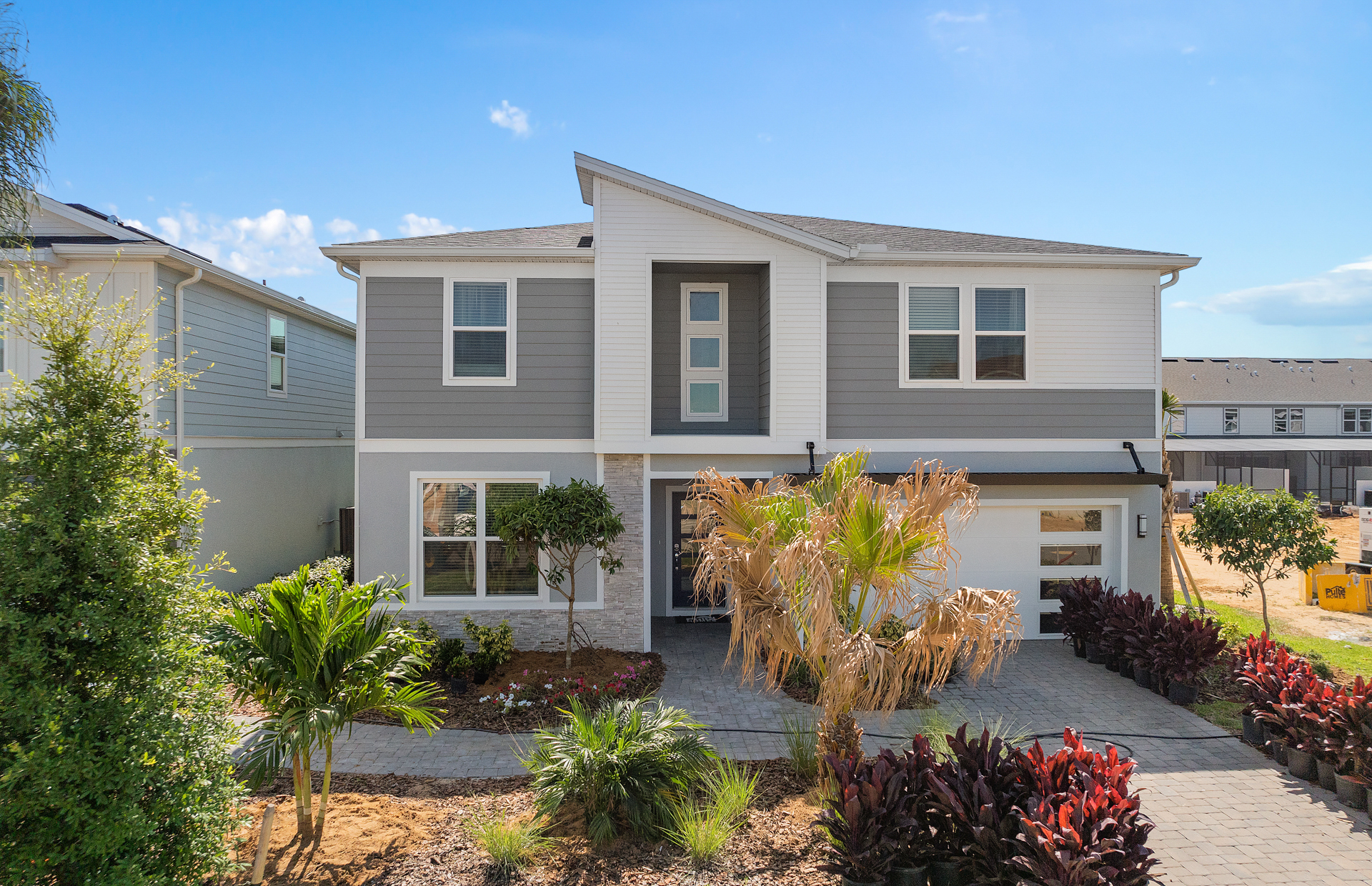
As of Q1 2025, stabilized single-family rental properties in Orlando's primary investment corridors (Kissimmee, Davenport, Clermont, Winter Garden) are trading at cap rates between 5.5% and 7.2%. New construction properties in master-planned communities command premium rents due to lower maintenance costs and superior amenities, producing cash-on-cash returns of 5% to 8% for leveraged buyers at standard foreign national financing terms. Short-term rental (Airbnb/VRBO) properties in the Osceola County vacation zone can produce significantly higher gross yields, though net returns require careful underwriting of management fees, platform costs, and regulatory compliance.
Tampa: The Fastest-Growing Major Metro in Florida
Tampa Bay has experienced the most significant population inflows of any Florida metro in the post-2020 period. Pinellas, Hillsborough, and Pasco counties collectively added more than 150,000 residents between 2020 and 2024, driven by domestic migration from the Northeast and Midwest and by relocation of financial services, technology, and healthcare employers. Morgan Stanley, Raymond James, and USAA are among the large employers with significant Tampa operations.
For real estate investors, Tampa offers a compelling combination of rising rents, constrained supply in established neighborhoods, and an active new construction market in suburban Pasco and eastern Hillsborough counties. The Port of Tampa's expansion and ongoing infrastructure investments support long-term employment growth.
How does Tampa compare to Orlando for international real estate investment returns?
Tampa and Orlando offer comparable cap rate ranges (5.5% to 7.5%) but differ in investment profile. Tampa's established suburban markets offer stronger appreciation potential driven by supply constraints, while Orlando's vacation corridor offers higher gross rental yields with more management intensity. Tampa is generally preferred by investors seeking long-term tenant stability and appreciation-oriented returns. Orlando is preferred by investors targeting higher current income through short-term rental strategies. Both markets have outperformed the national average for total return over the past five years.
Jacksonville: Yield-First Investing in a High-Growth Market
Jacksonville is the most underappreciated major Florida investment market. As the largest city by land area in the contiguous United States, Jacksonville has significant room for geographic expansion and infrastructure development. The city's port is among the most active on the East Coast, and its healthcare sector — anchored by Mayo Clinic's main East Coast campus — provides stable employment that supports rental demand.
For yield-focused investors, Jacksonville offers cap rates that routinely exceed those available in Orlando and Tampa, with median single-family home prices still well below the statewide average. The tradeoff is slower appreciation relative to the other three markets and a less developed luxury rental segment.
Miami: Trophy Asset, Not Investment Vehicle
Miami is Florida's best-known international real estate market and, for most yield-focused investors, its least attractive. Median home prices in Miami-Dade exceed $600,000, producing price-to-rent ratios that make leveraged acquisitions challenging to cash-flow at current interest rates. Miami's value proposition for international investors is wealth preservation, portfolio diversification, and lifestyle — not income yield or appreciation relative to basis.
For investors deploying $500,000 or more into a single asset with a 10-plus year horizon, Miami luxury condominiums in emerging neighborhoods (Edgewater, Wynwood, Brickell) represent defensible capital allocation. For investors seeking cash flow and scalable acquisition strategies, the other three markets offer superior risk-adjusted returns.
Which Florida city offers the best return on investment for international real estate buyers?
The answer depends on the investor's primary objective. Orlando's vacation corridor delivers the highest gross rental yields for short-term rental operators. Tampa offers the strongest balance of appreciation and rental income for long-term hold strategies. Jacksonville provides the highest cap rates for yield-first investors with longer time horizons. Miami serves preservation of capital and lifestyle objectives rather than income maximization. For most international investors deploying under $1 million per property, Orlando and Tampa offer the most compelling risk-adjusted return profiles in 2025.