Investing in vacation rentals in Florida can yield total returns of 90% over five years, compared to 59% for long-term rentals. This significant difference stems from higher gross revenues and appreciation potential in tourism-driven markets like Orlando. The choice between these strategies hinges on an investor's risk tolerance and management preferences.
What Property Model Is Used for the Comparison?
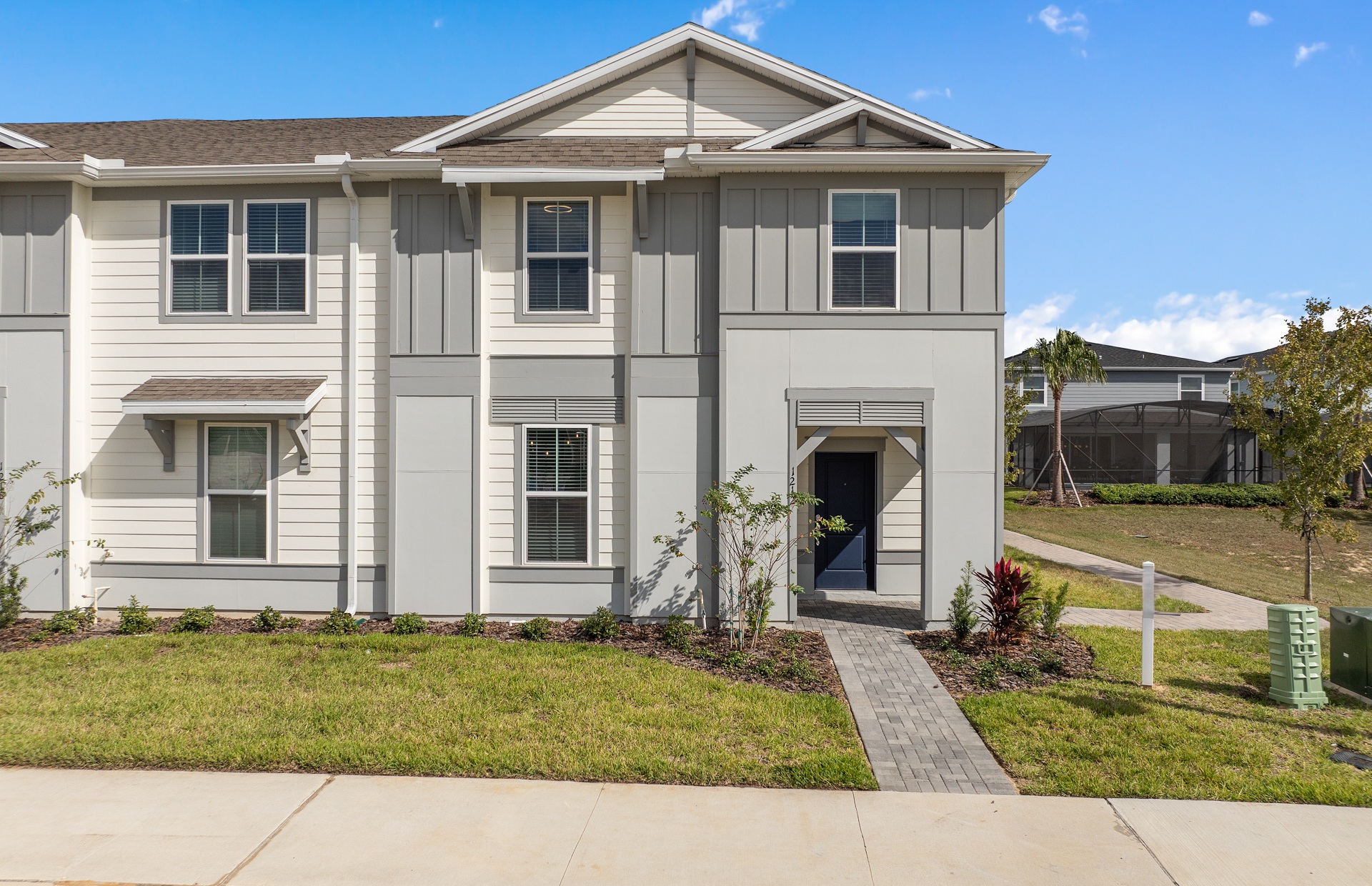
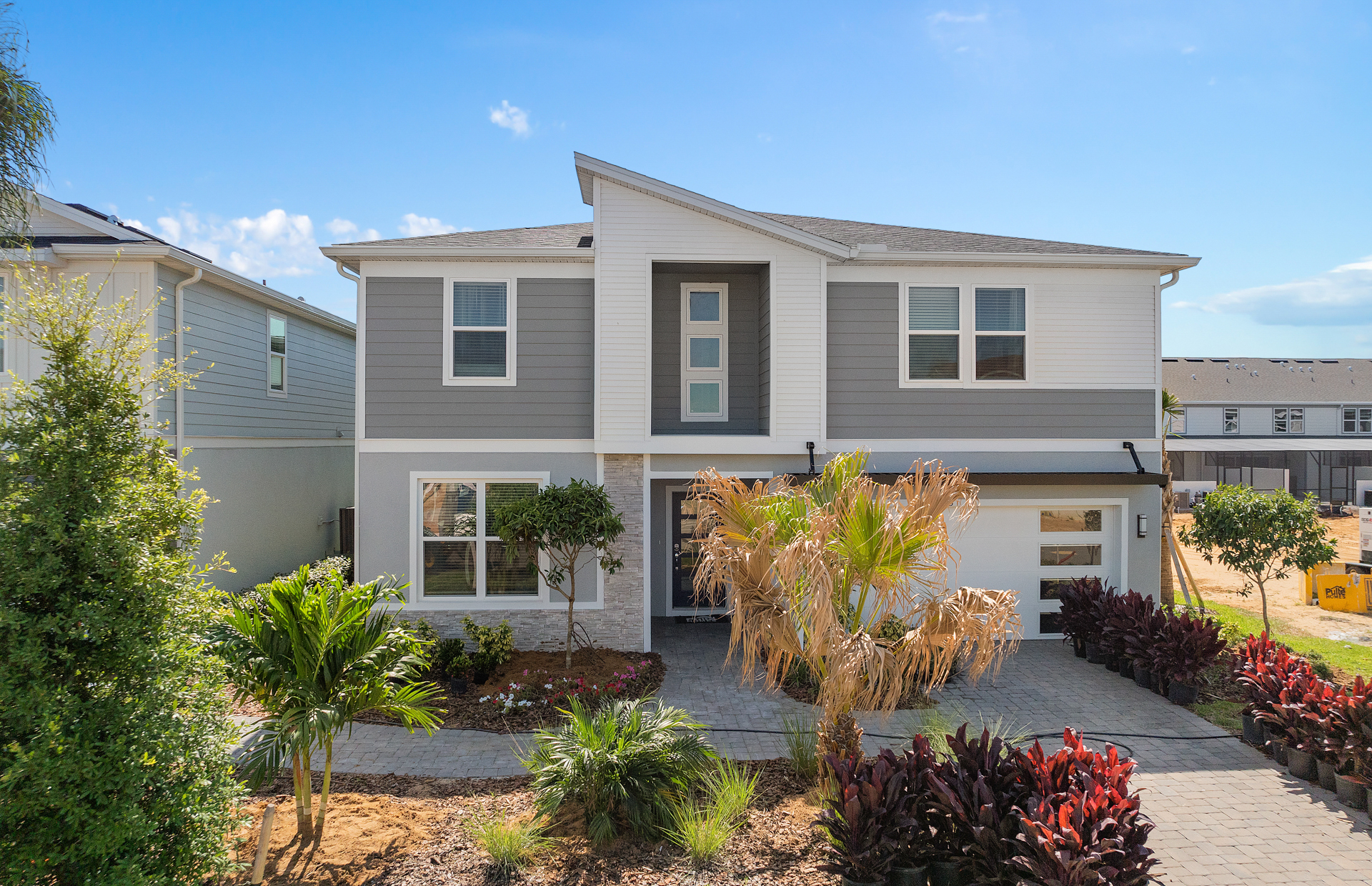
A representative property for this analysis is a 4-bedroom, 3-bathroom single-family home in the Kissimmee/Davenport corridor, priced at $450,000. Acquired with 25% down ($112,500) plus $15,000 in closing costs, the total capital invested is $127,500.
This 1,900 square-foot property features a private pool and is situated in a community allowing both long-term and short-term rentals.
How Do Long-Term Rentals Perform Financially?
The United States real estate market attracts over $60 billion in foreign direct investment annually. International investors benefit from dollar-denominated returns, robust legal protections, and institutional-grade financing — all without U.S. residency requirements.
The gross monthly rent for a long-term lease is $2,500, resulting in an annual gross income of $30,000 and a gross yield of 6.7%. Annual operating expenses total $14,300, including property management fees, taxes, insurance, and maintenance reserves.
The annual net operating income (NOI) is calculated at $15,700, leading to a cap rate of 3.5%. However, after accounting for an annual mortgage payment of $29,712, the cash flow results in a negative $14,012, reflecting the current rate environment.
What Are the Financial Metrics for Vacation Rentals?
Projected annual gross revenue for vacation rentals is $62,000, based on a 72% occupancy rate and an average nightly rate of $236, according to AirDNA data. This translates to a monthly gross equivalent of $5,167 and a gross yield of 13.8%.
Total annual operating expenses for vacation rentals amount to $38,860, which includes higher property management fees, insurance, and cleaning costs. The annual NOI stands at $23,140, yielding a cap rate of 5.1%.
After the same annual mortgage payment of $29,712, the cash flow results in a negative $6,572, though this is significantly less than the long-term rental scenario.
What Is the Five-Year Total Return Comparison?
Assuming a 4% annual appreciation and 3% annual rent growth, with refinancing to 6.5% in Year 3, the long-term rental's five-year total return is approximately $75,000 on $127,500 invested. This equates to a 59% total return (11.8% annualized).
In contrast, the vacation rental's five-year total return is about $115,000 on the same investment, resulting in a 90% total return (18% annualized).
Which Strategy Should You Choose?
The vacation rental strategy offers higher total returns in Florida's tourism markets but involves greater income variability and management complexity. For investors prioritizing simplicity and predictability, long-term rentals provide lower cash flow but more stable income.
Conversely, those willing to embrace operational complexity for potential income upside may find vacation rentals in the Orlando corridor particularly appealing.
"Investors must weigh the potential for higher returns against the complexities of management in the vacation rental market." — Anthony Banks, Co-founder and Systems Architect at Buldora Invest
FAQ
Is vacation rental income reliable enough for DSCR loan qualification?
Yes, with lenders who accept short-term rental income projections. The projected monthly income, derived from annual AirDNA projections, is typically more favorable for the debt service coverage ratio (DSCR) than long-term rent for the same property.
How does vacation rental income change if tourism decreases?
Orlando's tourism economy is highly diversified, supported by major theme parks and convention activities. A 20% decline in occupancy would reduce gross revenue from $62,000 to approximately $50,000, still yielding a positive NOI. Long-term rental income remains unaffected by tourism fluctuations.
Ready to Start Your U.S. Real Estate Investment?
Buldora helps international investors identify, acquire, and manage real estate opportunities across the United States. Submit your investor profile and receive curated opportunities matched to your criteria.