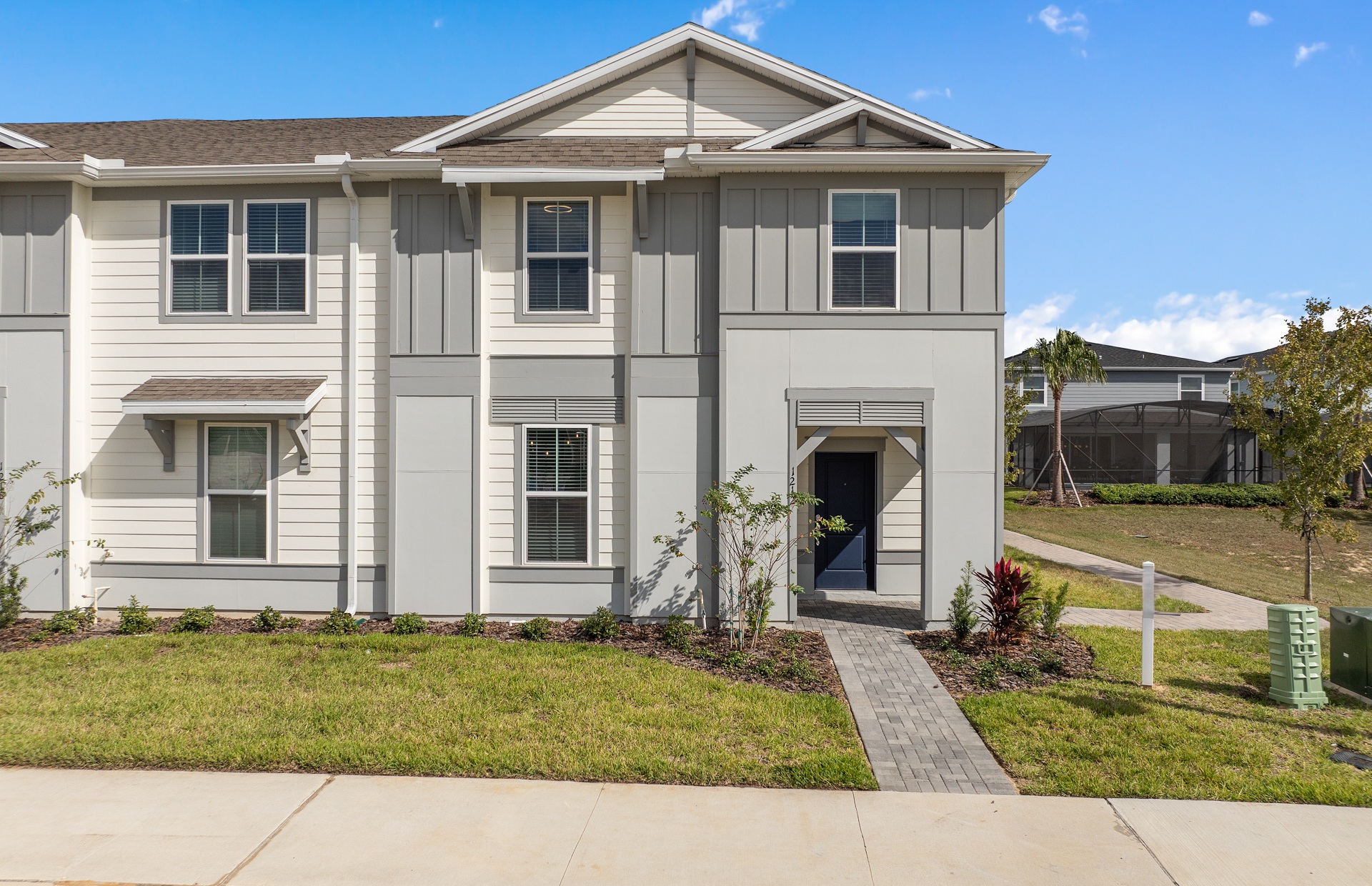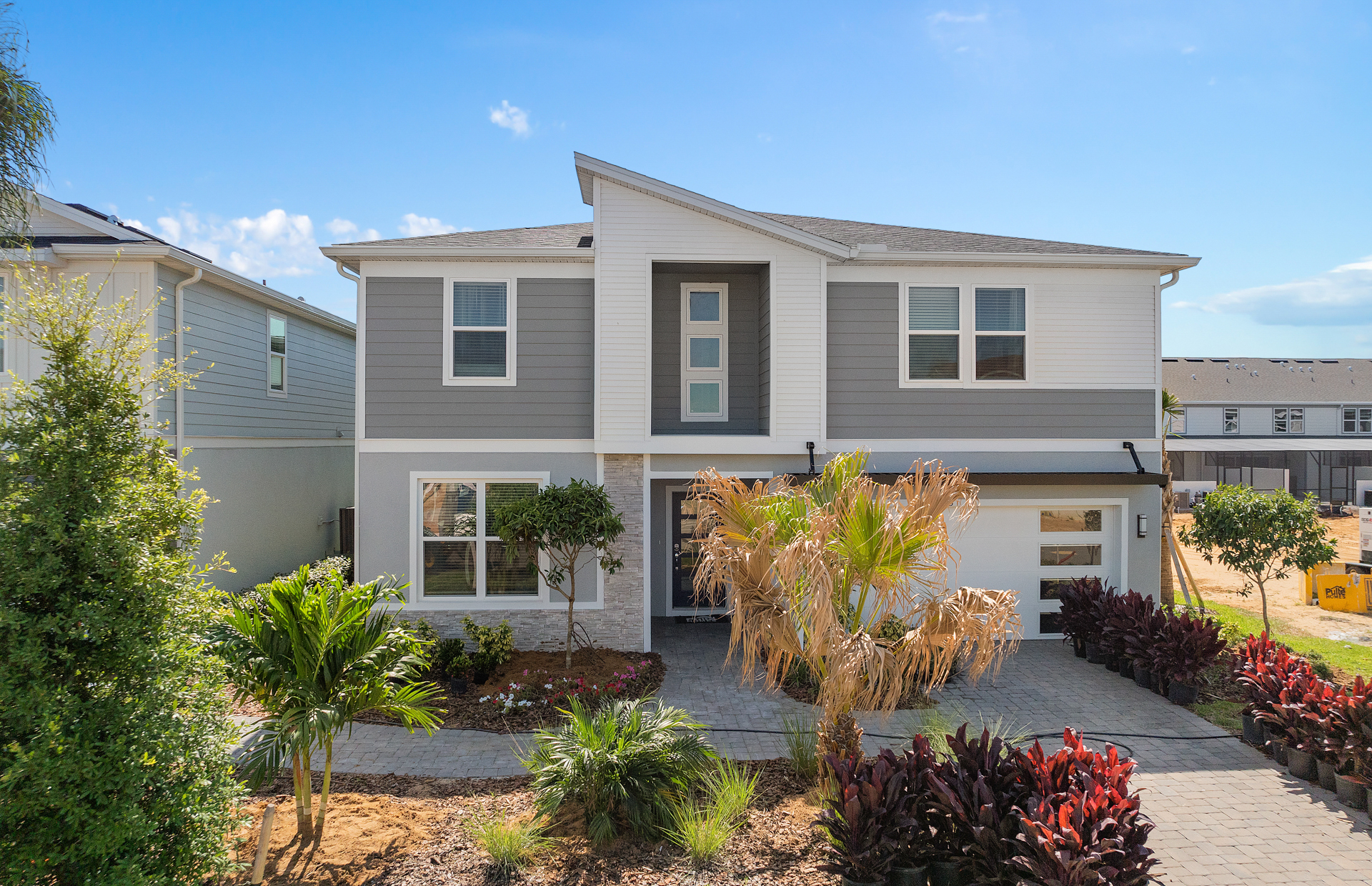
International investors can expect U.S. real estate to appreciate at an annual rate of 3% to 6% in high-growth markets like Florida, driven by structural undersupply and strong demand from migration. This trend is bolstered by a predicted decline in interest rates over the next 12 to 36 months, enhancing market liquidity.
How Will the Interest Rate Environment Affect U.S. Real Estate Investments?
The Federal Reserve's recent rate hikes have pushed the federal funds rate to its highest point in over 20 years. Currently, 30-year mortgage rates have peaked above 7.5% and are stabilizing between 6.5% and 7.5%. This increase has significantly slowed existing home sales, as homeowners with sub-3% mortgages are reluctant to sell and incur higher rates.
Economists anticipate that the Federal Reserve will begin to lower rates within the next 12 to 36 months as inflation approaches target levels. As mortgage rates decline, transaction volumes are expected to rise. This could potentially accelerate price appreciation as more buyers enter the market and the current seller lock-in eases.
What Are the Inventory Constraints Impacting the U.S. Housing Market?
The Sun Belt region, particularly Florida, Texas, and the Carolinas, has outperformed the national average in population growth, job creation, and real estate appreciation over the past decade. New construction inventory in these markets continues to attract significant global capital.
The U.S. housing market faces a structural undersupply. Annual new home construction is falling short of household formation needs, resulting in an estimated cumulative deficit of 3 to 5 million units. This shortage provides a solid foundation for home prices, even during periods of reduced demand.
In Florida, the combination of strong in-migration, new household formation, and limited buildable land has intensified the supply deficit. While new construction is active, it has not kept pace with the surge in demand from both domestic and international migration.
What Is the Current Price Trajectory in Florida's Real Estate Market?
Following exceptional appreciation rates of 20% to 40% from 2020 to 2022, Florida's real estate market has seen growth moderate to a more sustainable 3% to 6% annually. This is significantly above the national CPI and aligns with the long-term historical average for high-growth Sun Belt markets.
International investors who entered the market during the 2020 to 2022 period have built substantial equity. This provides a buffer against any short-term price fluctuations. For new investors, current prices present a favorable entry point for a 5 to 10-year holding period, especially considering the structural demand tailwinds.
What Does Rate Normalization Mean for Property Investors?
As interest rates decline, property investors will experience several positive effects:
- Lower monthly mortgage payments: Reduced financial burden on investors.
- Expanded pool of qualified buyers: More potential buyers in the market.
- New refinancing opportunities: Options for existing DSCR loans.
- Increased transaction volumes: Enhanced market liquidity.
Investors acquiring properties during the current higher-rate environment and financing with DSCR loans stand to gain significantly from rate normalization. They will benefit from improved cash flow and appreciation as rates eventually decline.
FAQ
Will U.S. Real Estate Prices Decline in 2025 or 2026?
A broad and sustained decline in Florida property values is unlikely due to structural undersupply and ongoing population inflow. While specific submarkets may see localized price adjustments, the fundamental demand drivers suggest stable to appreciating prices in the medium term.
Is It Better to Wait for Lower Interest Rates Before Investing?
Market timing is challenging. Investors who wait for ideal conditions often miss out on appreciation during their waiting period. The structural fundamentals for Florida real estate remain positive regardless of short-term rate fluctuations. DSCR loans can always be refinanced when rates improve.
"Investors should focus on long-term fundamentals rather than short-term fluctuations. The U.S. real estate market's structural demand will continue to support price stability." — Raphaela Rolim, Co-founder and Chief Strategist
Ready to Start Your U.S. Real Estate Investment?
Buldora helps international investors identify, acquire, and manage real estate opportunities across the United States. Submit your investor profile and receive curated opportunities matched to your criteria.