U.S. real estate consistently serves as a robust inflation hedge, with historical returns outperforming traditional investments. Properties in high-demand markets can see annual rent increases of 3% to 6%. Asset values generally rise above inflation, making real estate a strategic choice for preserving wealth during inflationary periods.
How Does Rent Growth Reflect Inflation Trends?
In high-demand rental markets, rent increases typically align with inflation. Landlords raise rents at lease renewals. In Florida, for instance, occupancy rates range from 94% to 97%. This allows landlords to effectively pass inflation costs to tenants, thereby enhancing their income streams.
This dynamic illustrates how rising living costs directly impact rental prices. It ensures that landlords can maintain profitability even as inflation affects overall economic conditions.
What Drives Asset Value Appreciation in Real Estate?
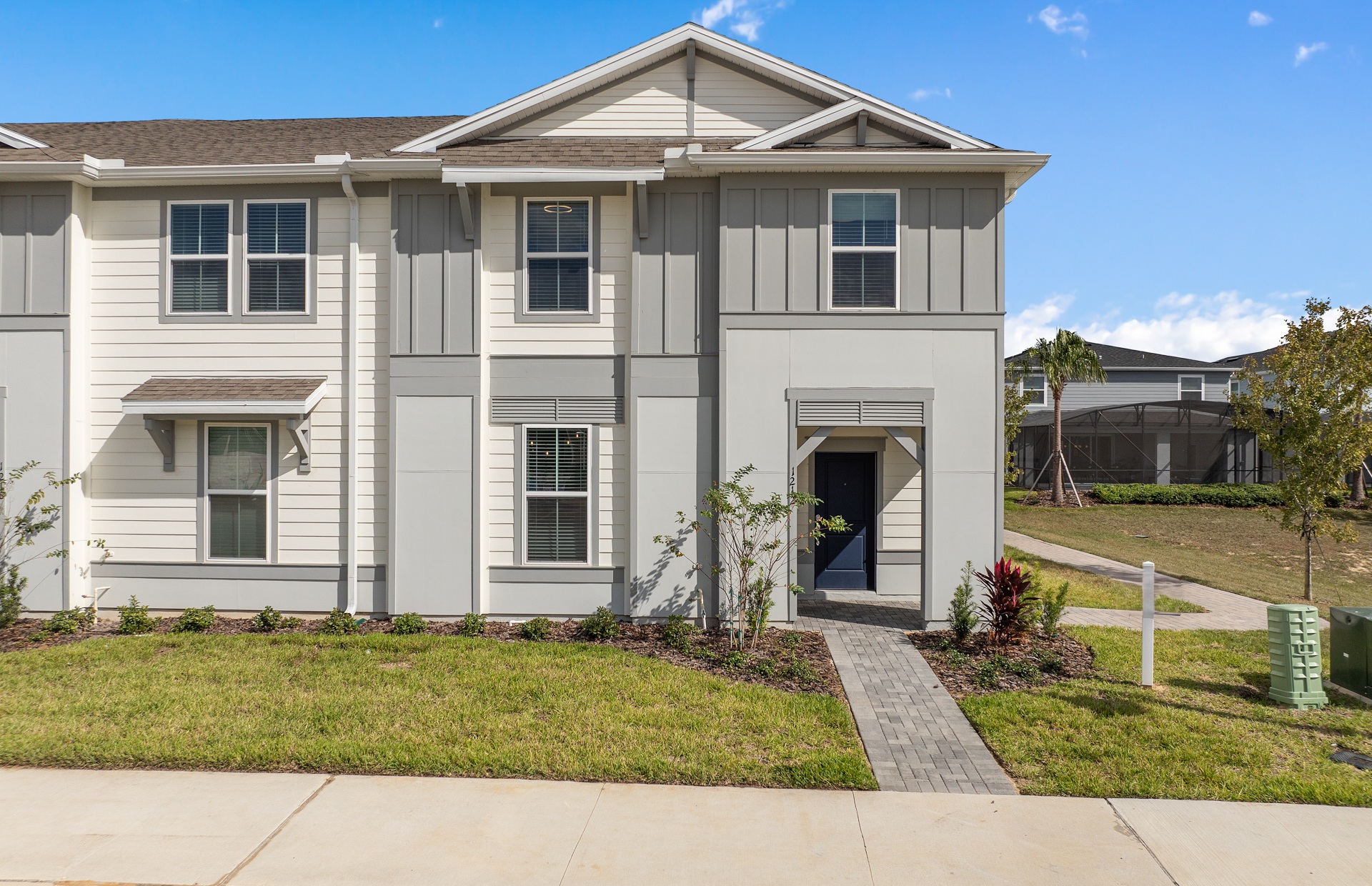
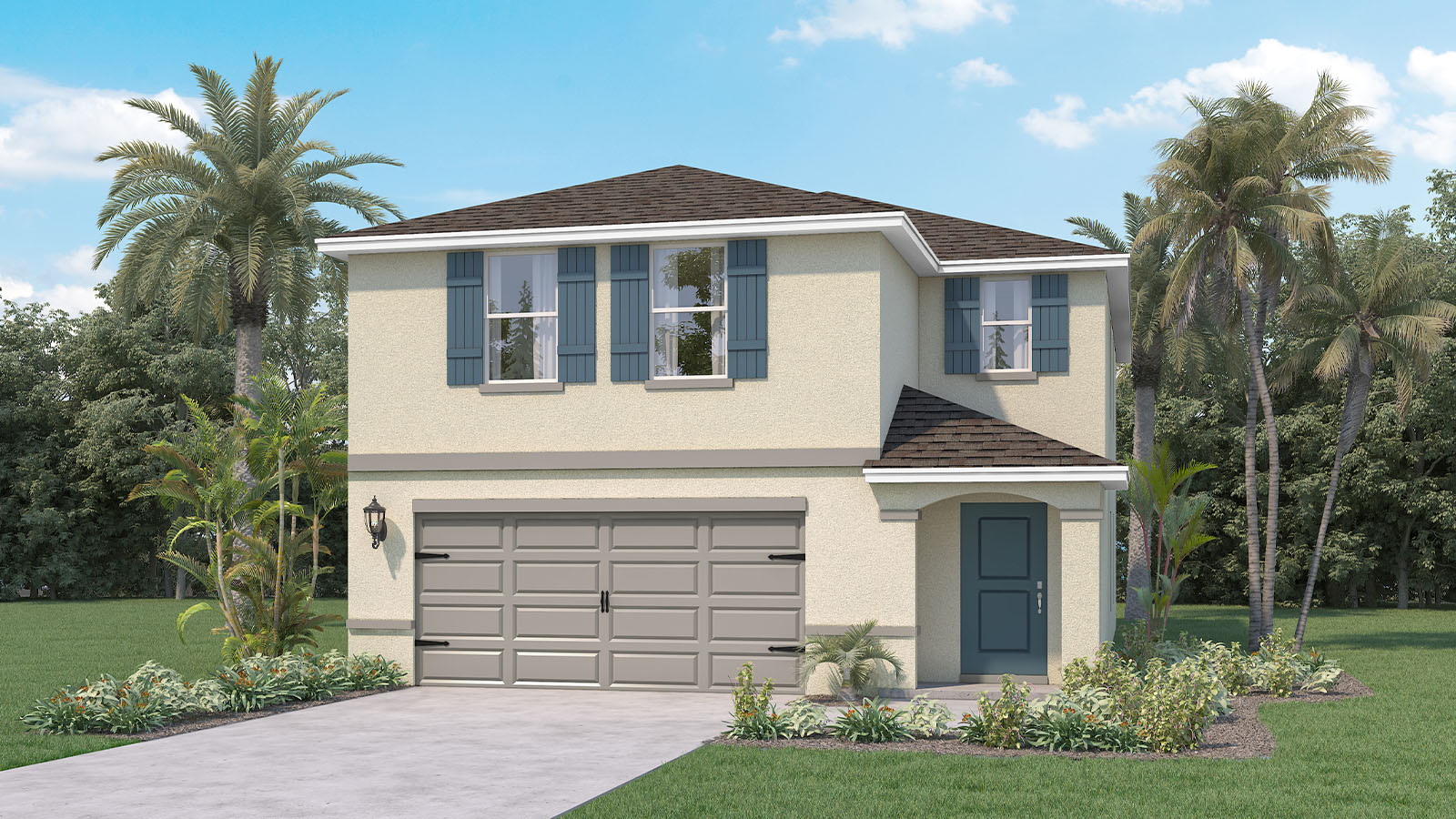
The Sun Belt region, particularly Florida, Texas, and the Carolinas, has seen significant population growth and job creation. This leads to real estate appreciation that outpaces national averages. New construction inventory in these areas continues to attract substantial global capital.
Real estate values typically rise in tandem with or above general inflation, especially in supply-constrained markets. As construction costs, land prices, and labor increase, the replacement cost of housing also rises. This supports existing property values and enhances the inflation-linked appreciation characteristic of real assets.
How Does Fixed-Rate Debt Enhance Inflation Protection?
Fixed-rate debt serves as a powerful inflation hedge in real estate investment. A 30-year fixed-rate mortgage locks in a nominal payment that remains unchanged despite inflation. This results in a decreasing real cost of debt service over time.
As inflation diminishes the dollar's value, the real worth of both property and rental income increases. This phenomenon, known as the inflation devaluation of fixed debt, is a key reason why leveraging real estate can significantly amplify returns during inflationary periods.
Why Is U.S. Real Estate Superior to Other Inflation Hedges?
When compared to other inflation hedges like gold, Treasury Inflation-Protected Securities, and commodities, U.S. real estate stands out. It uniquely combines income potential, appreciation prospects, and the inflation-boosting advantages of fixed-rate debt. This makes it the most comprehensive inflation hedge for investors.
"Investing in U.S. real estate not only provides a hedge against inflation but also offers unique opportunities for income generation and capital appreciation." — Raphaela Rolim, Co-founder and Chief Strategist
FAQ
Does inflation make real estate more or less affordable?
Inflation generally increases real estate prices over time. This benefits existing owners as their assets appreciate while making it more challenging for new buyers. This reinforces the importance of investing sooner rather than later.
How does inflation impact rental income in the U.S.?
In high-demand rental markets, rents typically rise in accordance with inflation during lease renewals. Annual rent increases of 3% to 6% are common in Florida. This contributes to a steady growth in rental income over time.
Start Your U.S. Real Estate Investment
Buldora helps international investors identify, acquire, and manage real estate opportunities across the United States. Submit your investor profile and receive curated opportunities within 24 hours.