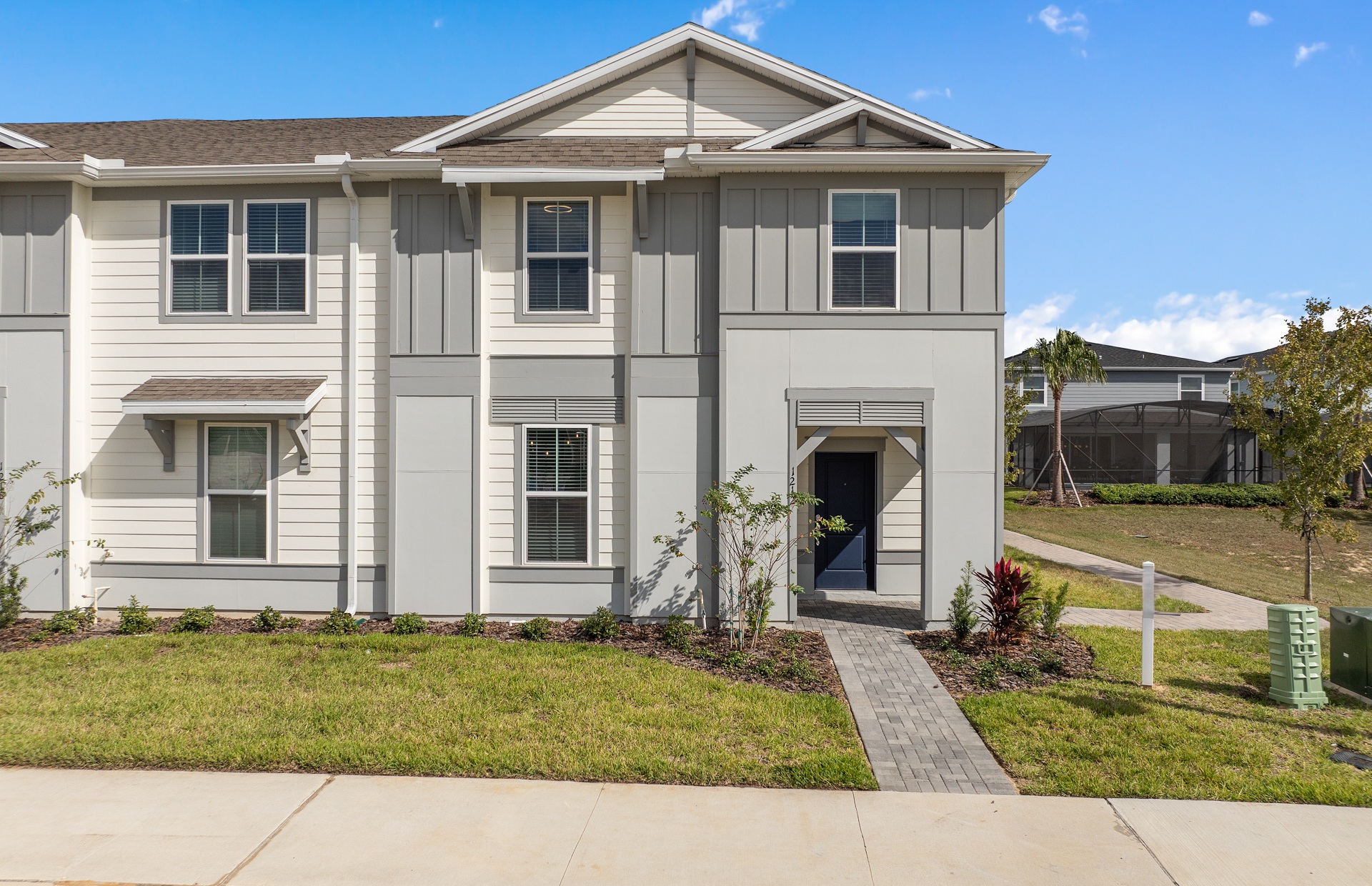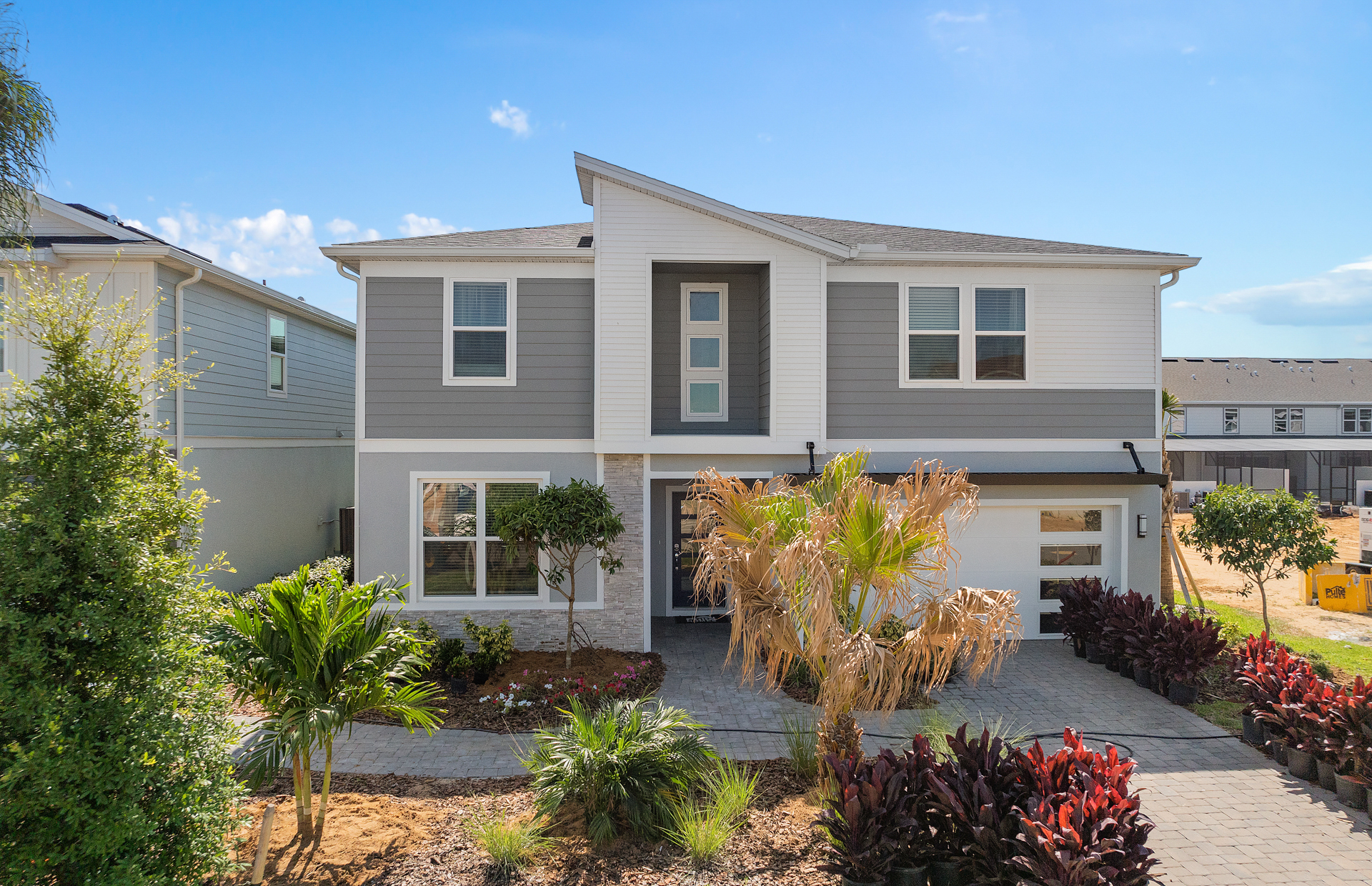
Investing in Florida's short-term rental market can yield gross annual revenues of $40,000 to $70,000, translating to gross yields of 10% to 16% for properties priced between $400,000 and $550,000. The demand for vacation rentals in Orlando, driven by attractions like Disney World, consistently outpaces supply, making it a lucrative opportunity for investors.
Why Does the Orlando Short-Term Rental Market Attract Investors?
The greater Orlando area, particularly the vacation home corridors of Kissimmee, Davenport, Clermont, and Champions Gate, ranks among the highest-performing short-term rental markets in the United States. Properties located within 20 to 30 minutes of Disney parks experience particularly strong demand from families seeking spacious accommodations with kitchen facilities instead of hotel rooms.
A well-managed, professionally designed 4-bedroom vacation home in this corridor can generate $40,000 to $70,000 in gross annual revenue. This represents gross yields of 10% to 16% on properties priced between $400,000 and $550,000.
"Investors should focus on markets with strong demand and stable regulations to maximize their returns in the short-term rental sector." — Raphaela Rolim, Co-founder and Chief Strategist
What Platforms Are Essential for Short-Term Rental Distribution?
Professional property management converts a passive real estate acquisition into a fully managed income-producing asset. Institutional-grade management covers tenant placement, lease administration, maintenance coordination, and monthly financial reporting, allowing investors to manage U.S. assets from abroad.
Short-term rental income is generated through multiple platforms. Airbnb and VRBO dominate the market, capturing the majority of leisure travel bookings. Other platforms, including Booking.com and Expedia, along with direct website bookings, complete the distribution mix.
A professional short-term rental manager ensures active listings on all major platforms with synchronized calendars and optimized pricing to maximize occupancy across channels.
How Does Dynamic Pricing Impact Rental Income?
Revenue management is a critical driver of short-term rental income. Dynamic pricing software analyzes local occupancy data, competitor pricing, booking lead time, and demand signals to adjust nightly rates in real time.
Properties priced manually at a fixed rate consistently underperform compared to those managed with dynamic pricing. This approach can increase gross revenue by 20% to 35%.
What Regulatory Considerations Should Investors Be Aware Of?
Short-term rental regulations in Florida vary significantly by municipality. While the state generally preempts local governments from broadly prohibiting short-term rentals, local regulations on licensing, inspections, and occupancy limits still apply.
Buldora focuses on markets with established, stable short-term rental regulatory environments and selects properties that already meet licensing requirements.
FAQ
How much does short-term rental management cost?
Professional short-term rental management typically charges 20% to 30% of gross revenue. This reflects the more intensive management requirements, including daily cleaning, guest communications, platform management, and dynamic pricing, compared to long-term rental management.
What is the minimum recommended property size for a Florida vacation rental?
In the Orlando market, 4 to 6 bedroom homes command the highest demand and revenue per night from family groups. While 3-bedroom properties are viable, they generate lower absolute revenue.
2-bedroom units are typically positioned differently for couples or small families and may perform better on Airbnb than VRBO.
Start Your U.S. Real Estate Investment
Buldora helps international investors identify, acquire, and manage real estate opportunities across the United States. Submit your investor profile and receive curated opportunities within 24 hours.