Investing in U.S. rental properties can yield annual returns between 10% and 18% for international buyers due to the combination of rental income, property appreciation, and mortgage paydown. With the right market selection and management strategies, investors can effectively navigate this lucrative asset class from abroad.
Why Do U.S. Rental Properties Outperform Other Investment Options for International Investors?
U.S. rental properties provide unique benefits, including regular dollar-denominated income, asset appreciation, and access to leverage. Non-resident investors can control $300,000 to $500,000 in assets with just $75,000 to $150,000 in capital through DSCR loans.
Additionally, these properties offer tax advantages and inflation protection, making them an attractive option. No other major asset class available to international investors combines these five benefits simultaneously, enhancing their appeal for wealth-building strategies.
What Are the Best Rental Strategies for International Investors?
The United States real estate market attracts over $60 billion in foreign direct investment annually. International investors benefit from dollar-denominated returns, robust legal protections, and institutional-grade financing — all without U.S. residency requirements.
Two primary rental strategies are available for investors in U.S. residential real estate:
- Long-Term Residential Rental: This strategy involves leasing a property to a single household on a 12-month lease, yielding predictable monthly income. Gross yields in Florida markets typically range from 5% to 8% annually, making it ideal for investors seeking reliable cash flow with minimal operational complexity.
- Short-Term Vacation Rental: Properties can be listed on platforms like Airbnb and VRBO, generating significantly higher income in tourist markets. Gross yields can reach 10% to 16% in prime locations, but management is more intensive and income is variable, making it best suited for high-demand vacation areas like Orlando.
How Do You Select the Right Property for Rental Income?
Key selection criteria for a U.S. rental property investment include gross yield potential, proximity to employment or tourist demand drivers, and the property's condition. Investors should also consider market vacancy rates, aiming for under 5%, and financing viability, ensuring the DSCR qualifies with projected income.
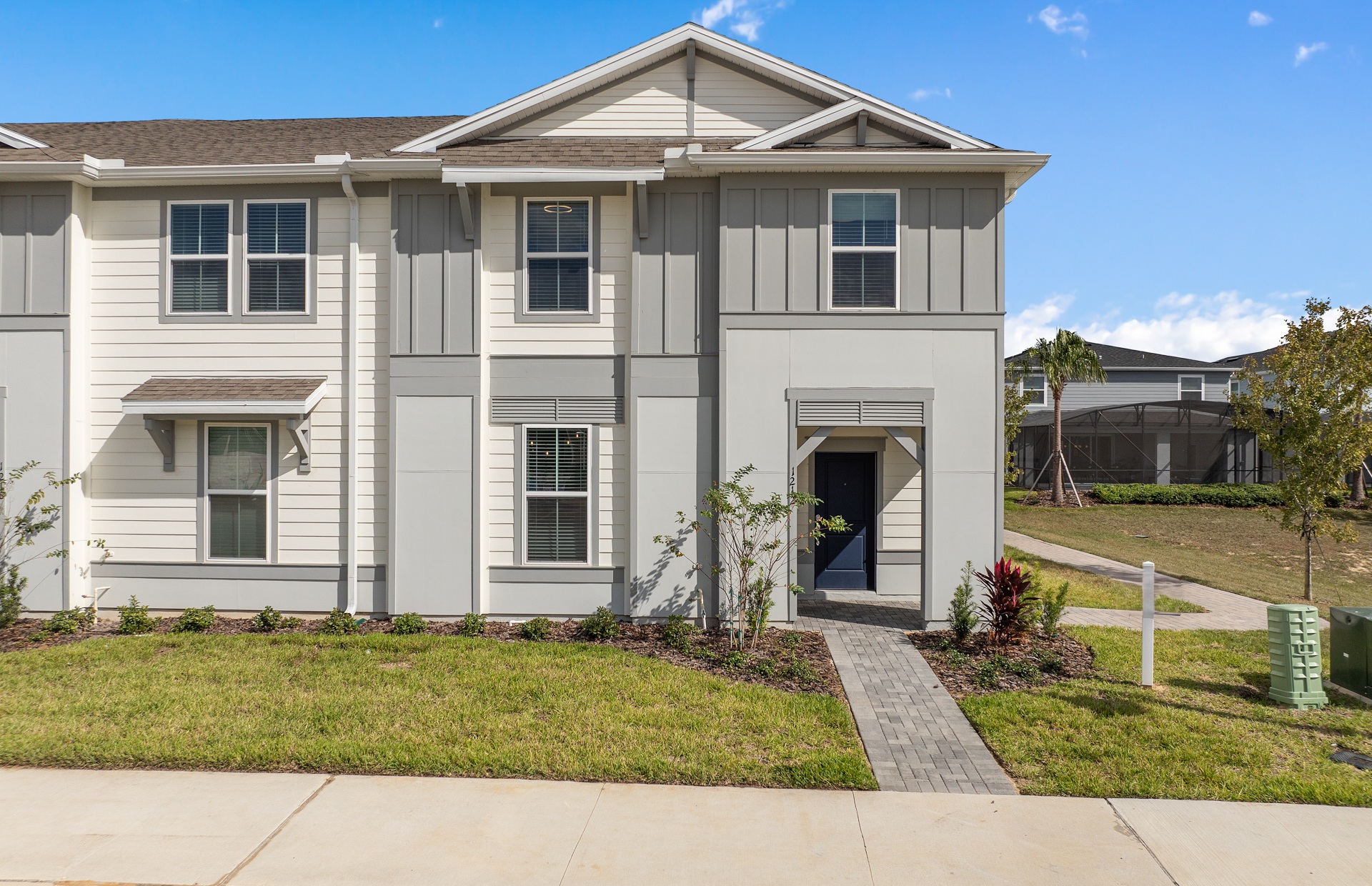
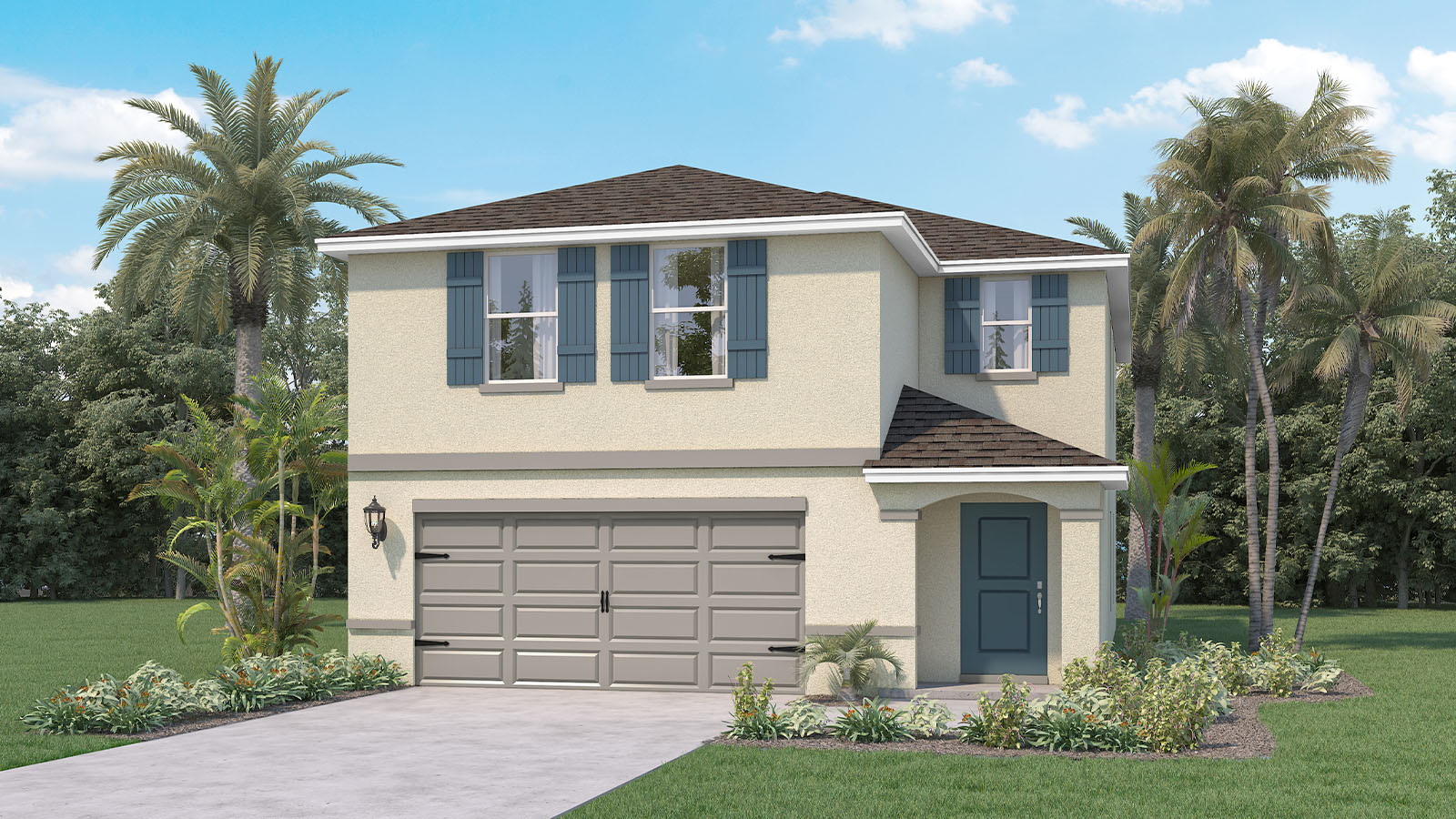
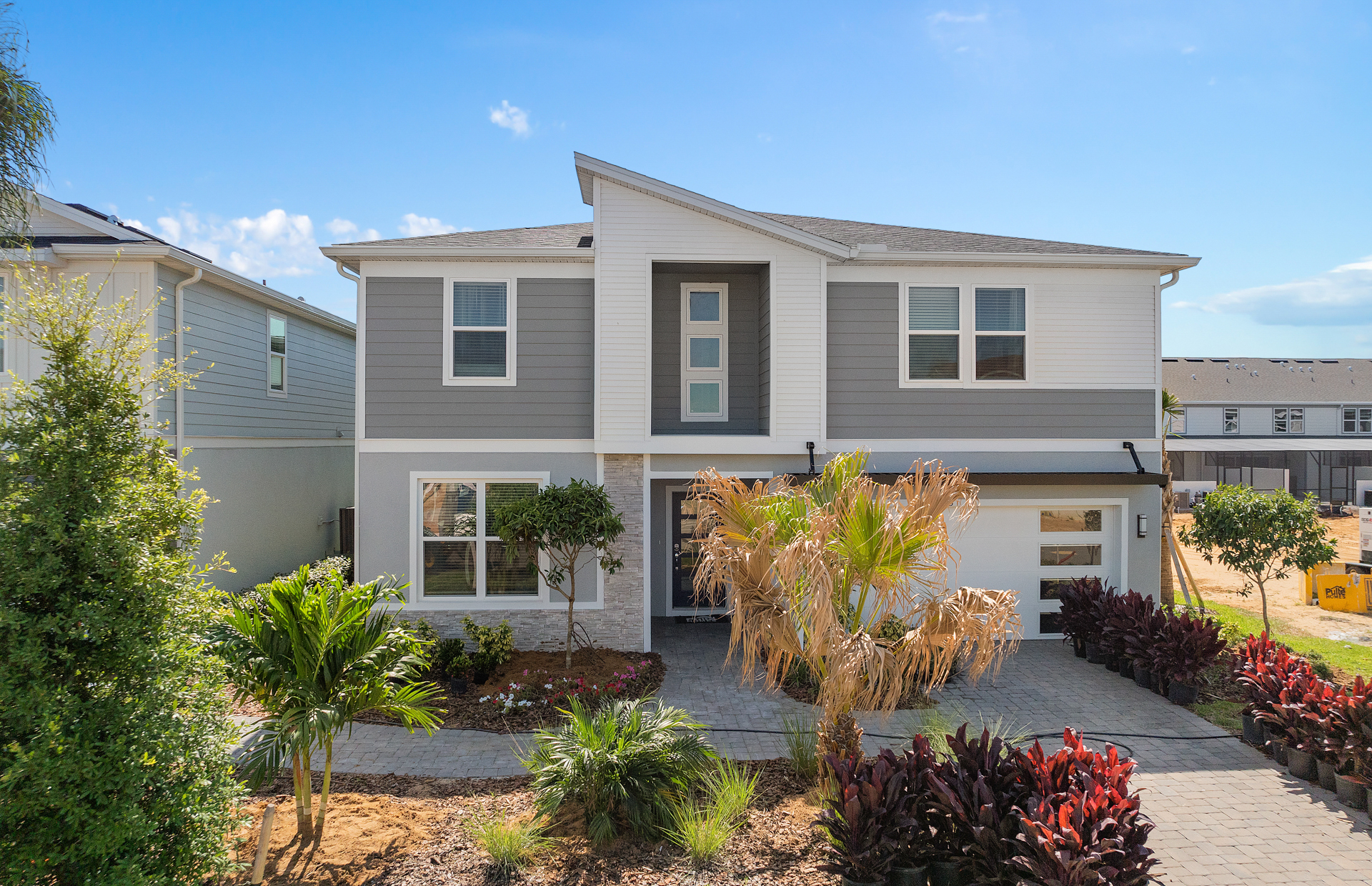
In Orlando, the ideal investment for long-term rentals is a 3 to 4-bedroom home in a suburban community priced between $300,000 and $450,000, renting for $1,900 to $2,400 per month. For short-term rentals, target a 4 to 6-bedroom home in a resort community priced between $380,000 and $600,000.
What Financing Options Are Available for Your U.S. Rental Property?
International buyers can access DSCR loans, which require no personal income documentation or Social Security Number. A down payment of 25% to 30% is standard for foreign national DSCR programs.
Alternatively, cash purchases simplify the process and maximize monthly cash flow. Many investors opt for cash initially and then refinance through a DSCR loan after 6 to 12 months to recapture equity for further acquisitions.
Why Is Professional Management Essential for International Investors?
Professional property management is crucial for international investors, providing the necessary infrastructure for remote ownership. A full-service property management company handles tenant placement, rent collection, maintenance, and lease administration, ensuring a truly passive income experience.
Management fees for long-term residential properties typically range from 8% to 12% of monthly rent, while short-term vacation rentals incur fees of 20% to 30% of gross revenue due to more intensive operational requirements.
How Are Returns Calculated on Rental Property Investments?
Returns on rental property investments come from three sources: rental income, property appreciation, and mortgage paydown. Total returns for well-selected, leveraged Florida rental properties typically range from 10% to 18% annually over a 5 to 10-year holding period.
Cash-on-cash returns, calculated as annual cash flow divided by cash invested, generally range from 4% to 10%, depending on financing structure and rental strategy. Unlevered cap rate returns for long-term rental properties in Florida range from 5% to 7%.
What Are the Tax Obligations for International Rental Property Owners?
International owners of U.S. rental properties must file annual federal income tax returns reporting their rental income. Net rental income, after deductions for management fees, mortgage interest, property taxes, depreciation, maintenance, and insurance, is subject to U.S. federal income tax.
An ITIN is required for filing, and depreciation deductions often reduce or eliminate taxable income in the early years of ownership.
FAQ
How much can I earn from a rental property in the USA?
Monthly rental income for a $350,000 property in Orlando ranges from $1,900 to $2,400 for long-term rentals or $3,500 to $6,000 gross for short-term vacation rentals. After expenses, net monthly cash flow (financed at 25% down) is typically $200 to $600 for long-term and $1,000 to $2,500 for short-term vacation rentals.
Do I need to be in the U.S. to manage my rental property?
No. Professional property management companies handle all operational functions. Buldora provides complete remote asset management from day one of ownership.
What is the minimum investment for a U.S. rental property?
With DSCR financing at 25% down, you can enter the U.S. rental market with approximately $90,000 to $120,000 in total capital (down payment plus closing costs) for a $300,000 to $350,000 property. Cash purchases require the full property value.
Ready to Start Your U.S. Real Estate Investment?
Buldora helps international investors identify, acquire, and manage real estate opportunities across the United States. Submit your investor profile and receive curated opportunities matched to your criteria.
"Investing in U.S. rental properties offers unique advantages that can significantly enhance wealth-building strategies for international buyers." — Raphaela Rolim, Co-founder and Chief Strategist