Orlando's real estate market generates gross rental yields between 5.5% and 7.5% for institutional investors, driven by strong demand and limited supply. The area also boasts a remarkable 5-year appreciation forecast of 38-52%, making it an attractive option for those seeking lucrative investment opportunities.
Why Does Orlando Outperform Other Florida Markets for Institutional Buyers?
Orlando has become a leading real estate market in the United States, with a population growth exceeding 50,000 residents annually through 2024 and 2025. This trend is fueled by remote work migration from high-cost northern states and a strong employment base in sectors such as healthcare and technology.
Additionally, Florida's lack of a state income tax enhances the region's appeal to investors. This factor further drives demand for real estate in Orlando.
"Orlando's unique combination of population growth, economic stability, and favorable tax conditions positions it as a top choice for institutional investors." — Raphaela Rolim, Co-founder and Chief Strategist
What Are the Supply Constraints Impacting Orlando's Real Estate Market?
Orlando faces significant supply constraints. Permitting backlogs and labor shortages contribute to a structural undersupply in housing. This situation supports rising rental rates and resale values, making the market more attractive for investors.
New construction properties in master-planned communities provide modern specifications and builder warranties. These features offer low initial maintenance costs and appeal to both renters and buyers.
Which Submarkets in Orlando Offer the Best Investment Opportunities?
What Makes Horizon West a Prime Investment Location?
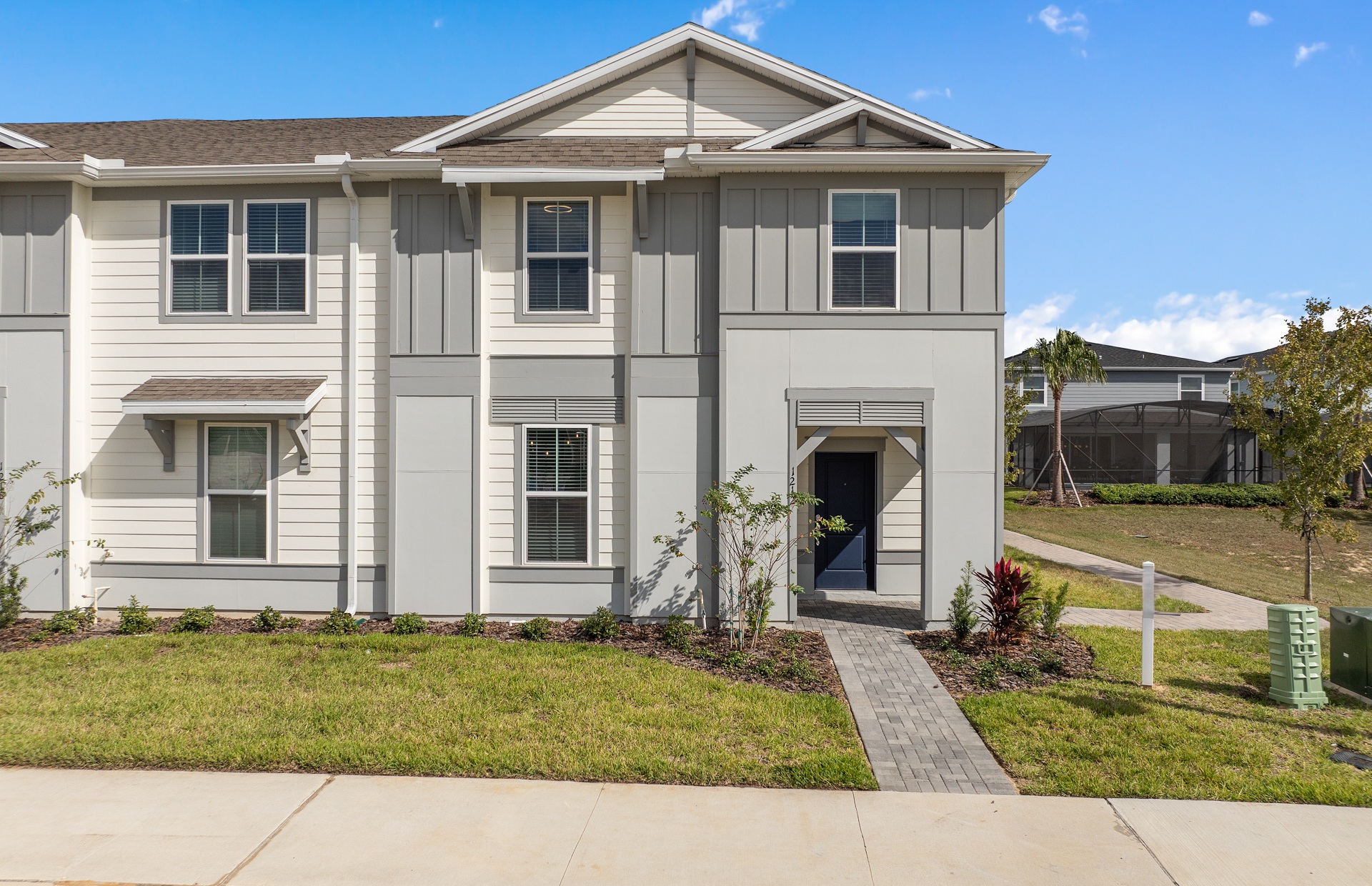
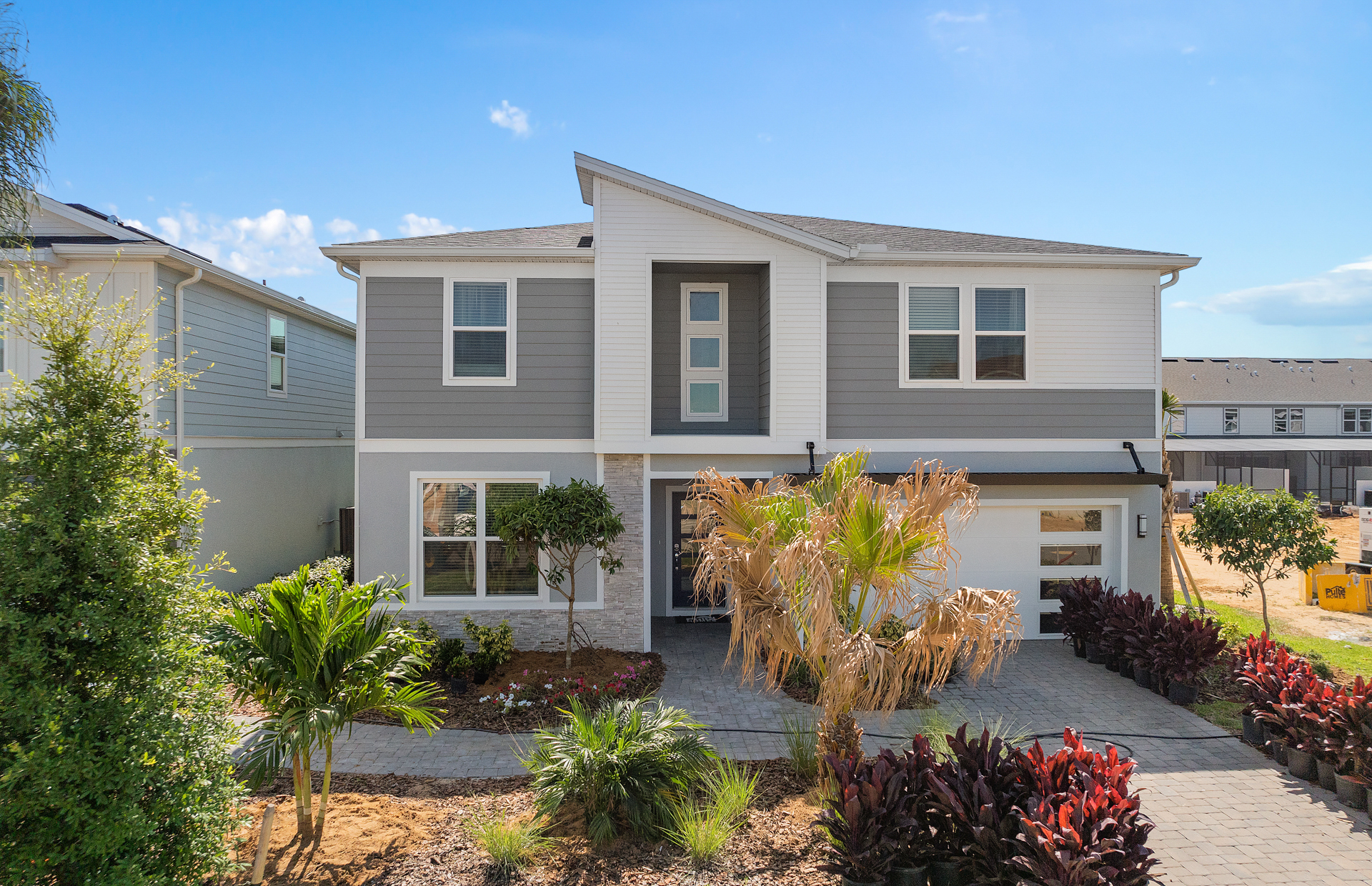
Horizon West is a master-planned community west of Orlando. It is characterized by new construction townhomes and single-family homes. The area has strong rental demand from young families and professionals, with expected appreciation rates surpassing the Orlando average.
Why Is Lake Nona Considered a High-Growth Submarket?
Lake Nona, also known as Medical City, is anchored by the USTA National Campus and a major hospital complex. This high-growth area features premium pricing and solid rental fundamentals, making it an attractive option for institutional buyers.
What Investment Potential Does the Osceola County Corridor Offer?
The Osceola County Corridor has the highest volume of new construction inventory. It offers accessible entry price points and competitive rental yields. This submarket is particularly popular among short-term rental investors, enhancing its investment appeal.
What Are the Key Return Metrics for Orlando Real Estate Investments?
Current market data indicates that new construction properties in Orlando deliver impressive return metrics, including:
- Gross rental yields: Ranging from 5.5% to 7.5%, depending on the submarket and property type
- Projected appreciation: 38-52% across primary submarkets from 2020 to 2025
- Vacancy rates: Below 5% in most submarkets, showcasing strong demand
FAQ
Is Orlando Vulnerable to Hurricane Risk?
Orlando's location in central Florida, well inland from the coast, significantly reduces its hurricane risk compared to coastal markets. While tropical storms can affect the region, the overall risk remains lower.
What Types of Properties Perform Best in Orlando?
New construction single-family homes and townhomes in master-planned communities consistently outperform in both yield and appreciation metrics. These properties attract long-term tenants and command premium rents, making them ideal for institutional investors.