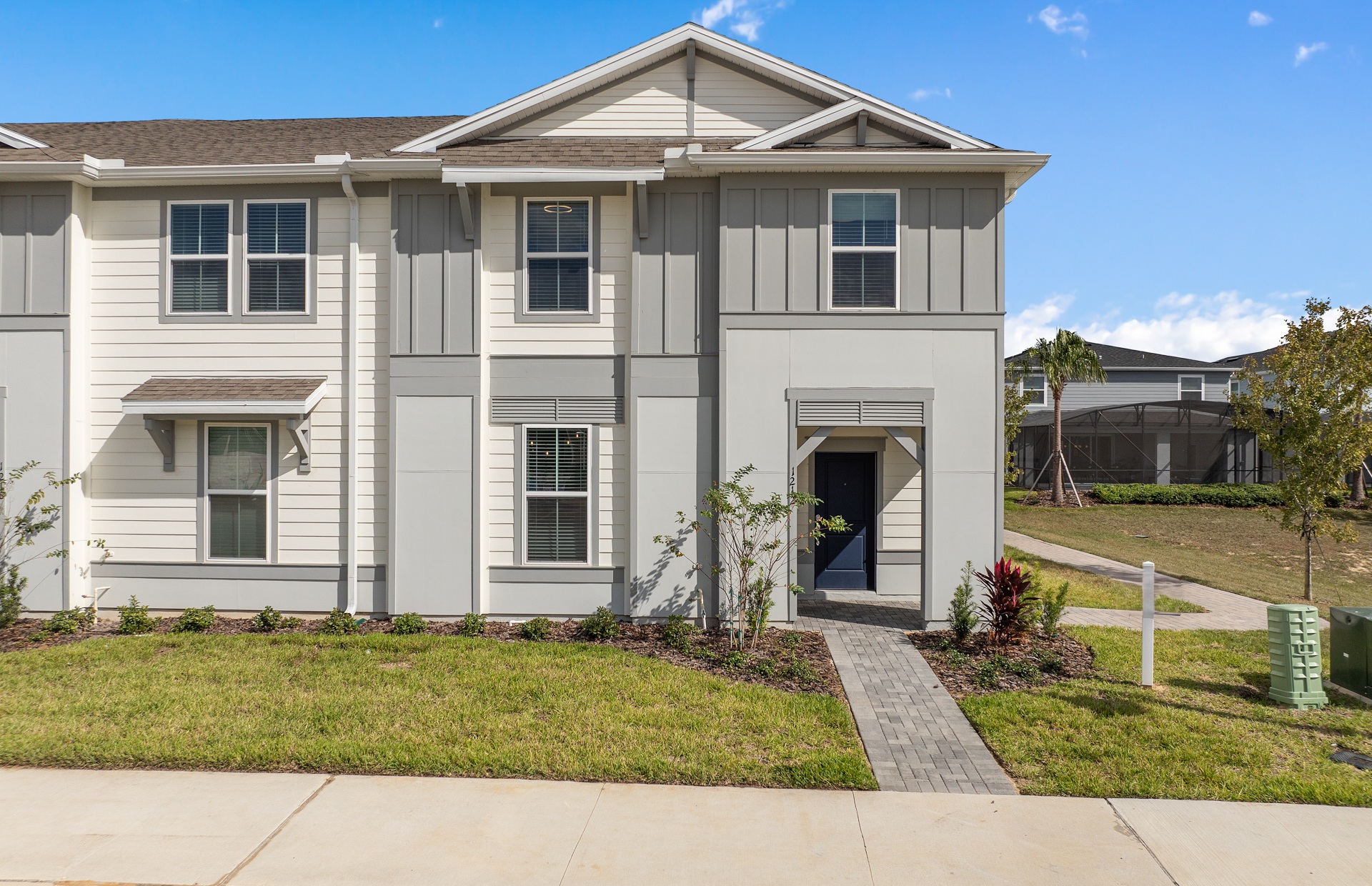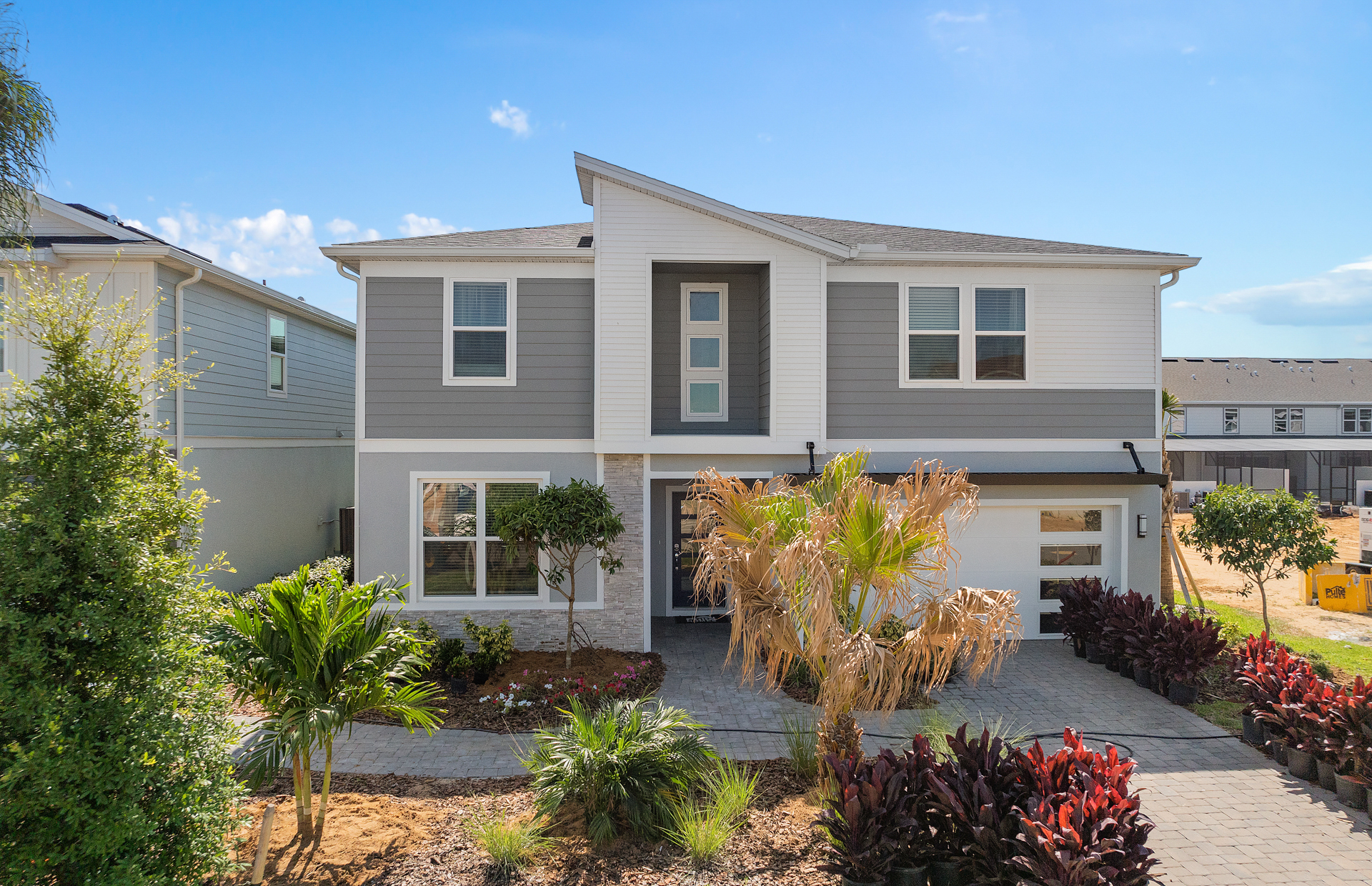
Investing in U.S. real estate as a long-term rental typically generates $21,600 to $30,000 annually for a 3 to 4-bedroom home. In contrast, short-term rentals can yield $40,000 to $65,000. The choice between these strategies significantly impacts income potential, management complexity, and operational costs. It is crucial to align your investment strategy with your property type.
What Are the Benefits of Long-Term Rentals for U.S. Investors?
Long-term rentals, typically involving 12-month leases, provide consistent monthly income. This averages $1,800 to $2,500 for a 3 to 4-bedroom home in Orlando. This stability reduces vacancy risks and management complexities.
As a result, long-term rentals incur lower management fees of 8% to 12% compared to 20% to 30% for short-term rentals.
Furthermore, DSCR financing is more accessible for long-term rentals. Lenders can utilize the lease agreement as income documentation. This makes it easier for investors to secure financing and maintain steady cash flow throughout the lease term.
How Do Short-Term Rentals Compare in Terms of Income Potential?
Professional property management converts a passive real estate acquisition into a fully managed income-producing asset. Institutional-grade management covers tenant placement, lease administration, maintenance coordination, and monthly financial reporting, allowing investors to manage U.S. assets from abroad.
Short-term rentals can yield significantly higher gross income, particularly in tourist-heavy areas. For instance, a Florida vacation home near Disney may achieve 80% to 90% occupancy during peak holiday weeks. However, occupancy can drop to 50% to 60% in off-peak times, resulting in annual averages of 70% to 80% for well-managed properties.
However, these rentals require intensive management, including daily cleaning, guest screening, and compliance with local regulations. The variability of income can pose challenges, making it essential for investors to weigh the potential rewards against the operational complexities.
Which Rental Strategy Is Best for My Property Type?
The property's location is a critical factor in determining the appropriate rental strategy. Properties situated within 15 to 30 minutes of major attractions like Disney World and Universal Studios are ideal for short-term vacation rentals. In contrast, properties in suburban areas farther from such attractions are better suited for long-term residential leasing.
Raphaela Rolim, co-founder and chief strategist at Buldora Invest, emphasizes the importance of aligning property selection with investment strategy from the outset. This ensures that the chosen market and community type are compatible with the intended income strategy.
"Aligning property selection with investment strategy is essential for maximizing returns." — Raphaela Rolim, Co-founder and Chief Strategist
FAQ
Can I switch from short-term to long-term rental if my strategy changes?
Yes. Most properties can transition between rental strategies. However, it is important to note that furnishings for short-term rentals may have lower value in long-term applications. Planning for this flexibility from the beginning is advisable.
Is short-term rental income better than long-term rental for financing purposes?
For DSCR loan qualification, some lenders may consider short-term rental income in their projections if supported by market data. However, others prefer to use long-term market rent for DSCR calculations. It is crucial to discuss your strategy with your lender before committing to a short-term rental approach.
Start Your U.S. Real Estate Investment
Buldora helps international investors identify, acquire, and manage real estate opportunities across the United States. Submit your investor profile and receive curated opportunities within 24 hours.