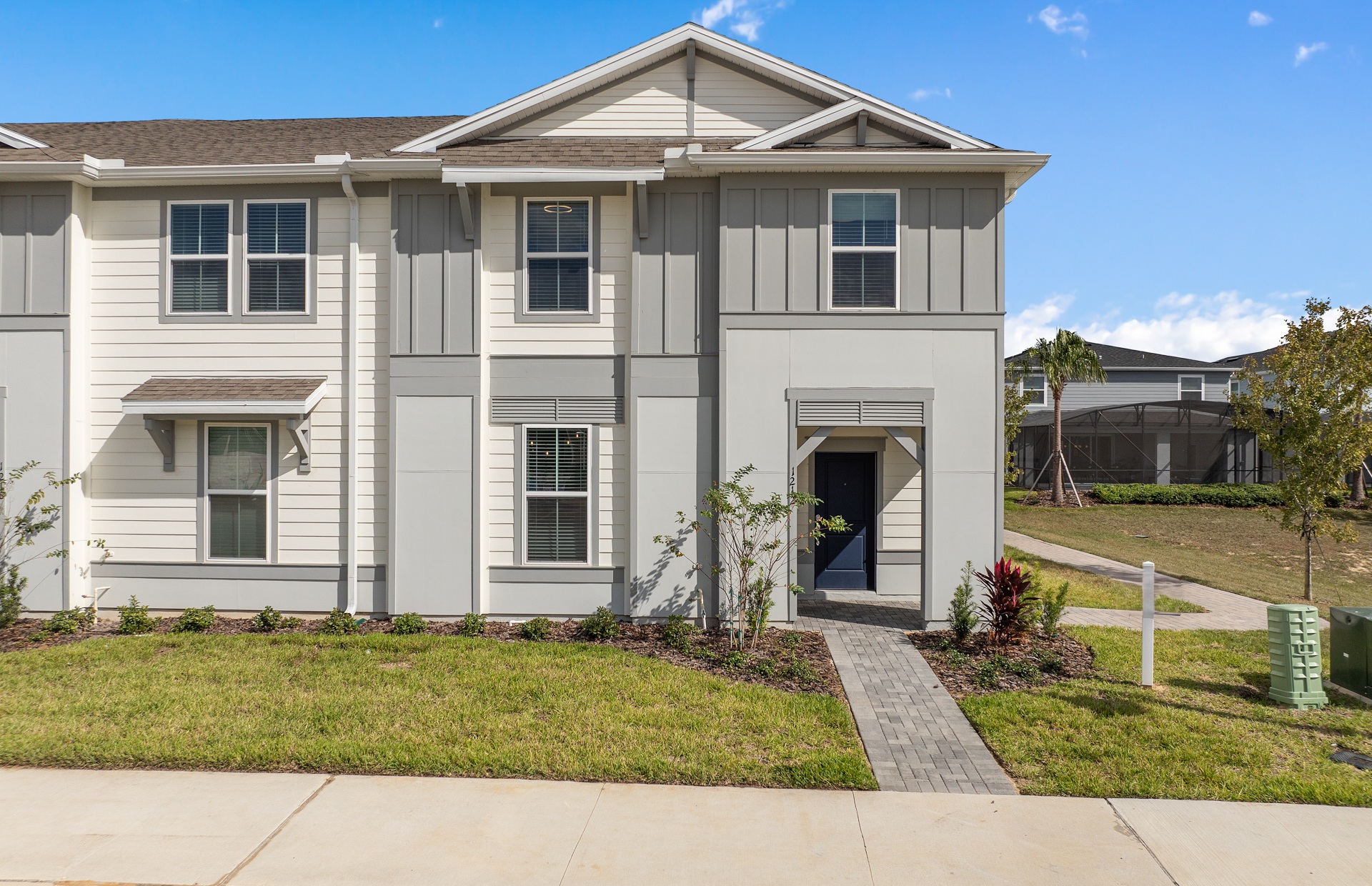
Reading your property management financial report accurately is crucial for international investors, as it provides insights into investment performance and identifies potential issues. Typically, these reports include income, expenses, net owner distribution, and year-to-date summaries, allowing for informed decision-making in property management.
What Key Information Is Found in the Income Section of My Property Management Report?
The income section of a monthly property management report typically displays gross rent charged, additional income such as pet or late fees, total gross income for the period, and vacancy amounts if any units were unoccupied. For example, a property with one tenant paying $2,200 per month should show $2,200 in gross rent, along with any applicable late fees.
It is essential to monitor any discrepancies between expected and collected rent. If the report indicates $0 income for a month, contact your management company immediately to clarify whether the tenant is in arrears, has vacated, or if there is a reporting error.
What Should I Look for in the Expense Section of My Financial Report?
Professional property management converts a passive real estate acquisition into a fully managed income-producing asset. Institutional-grade management covers tenant placement, lease administration, maintenance coordination, and monthly financial reporting, allowing investors to manage U.S. assets from abroad.
The expense section itemizes all costs charged against your account during the month. Typical charges include:
- Management fee: Typically 8% to 12% of monthly rent. Verify this matches your management agreement percentage.
- Maintenance charges: Individual line items for each maintenance work order completed, including a description of the work and the amount charged. Review these carefully and compare to approved work orders.
- HOA assessments: If the management company is collecting and paying HOA fees on your behalf.
- Insurance: If the management company manages your insurance payment from the owner reserve account.
- Other charges: Leasing fees (one-time fee for new tenant placement), renewal fees, and any other contractual charges.
How Is the Net Owner Distribution Calculated?
The net owner distribution is the amount transferred to your bank account after all income has been collected and all expenses have been deducted. This figure represents your actual monthly cash flow before mortgage payments. For instance, a property generating $2,200 in rent with a $220 management fee, $100 in maintenance, and a $50 HOA payment would yield a net distribution of $1,830.
From this amount, you will need to pay your DSCR loan mortgage payment from your U.S. bank account.
What Is the Importance of the Owner Reserve Balance?
Many management companies maintain a small reserve balance in the owner's account, typically ranging from $200 to $500, to cover routine maintenance without waiting for a transfer. The report details the opening reserve balance, any additions or deductions, and the closing reserve balance.
A negative reserve balance indicates an overdrawn account, requiring immediate attention and a transfer to replenish funds.
How Can I Use the Year-to-Date Summary in My Report?
A well-designed property management report includes a year-to-date (YTD) summary that shows cumulative income, cumulative expenses, and cumulative distributions for the current calendar year. This YTD view is invaluable for comparing actual performance against the projected annual budget and estimating your U.S. tax filing liability.
FAQ
How often should I receive a property management financial report?
Monthly reports are the industry standard, typically delivered within the first 10 to 15 days of the following month. Buldora provides monthly statements by the 10th of each month following the reporting period.
What should I do if I disagree with a charge on my property management report?
Contact your property manager with the specific line item in question and request documentation, such as an invoice or work order. Legitimate charges should have clear documentation. Unexplained or undocumented charges should be investigated and resolved through your management agreement's dispute resolution process.
"Understanding your property management financial report is essential for maximizing your investment returns and ensuring operational efficiency." — Raphaela Rolim, Co-founder and Chief Strategist
Ready to Start Your U.S. Real Estate Investment?
Buldora helps international investors identify, acquire, and manage real estate opportunities across the United States. Submit your investor profile and receive curated opportunities matched to your criteria.