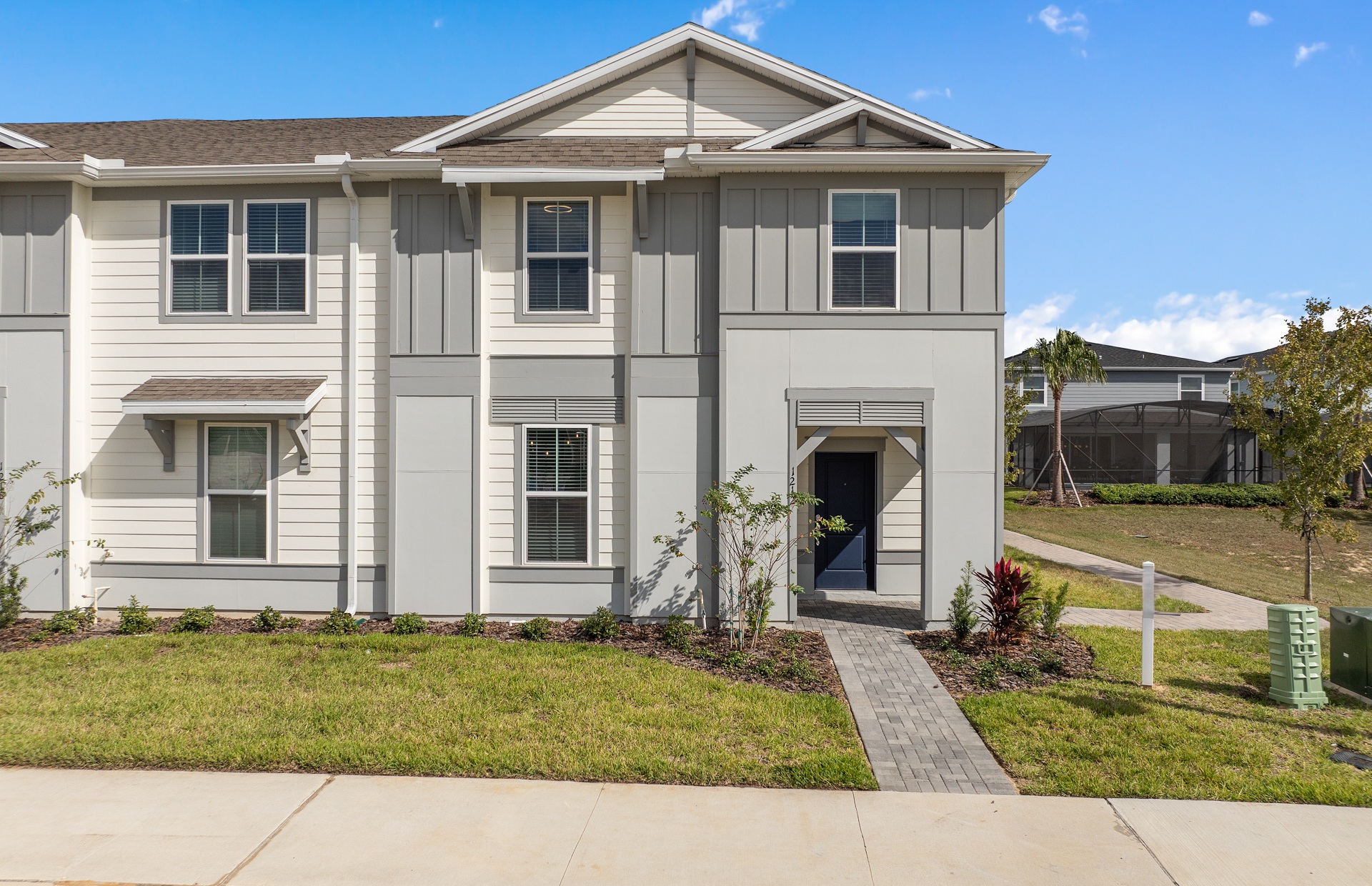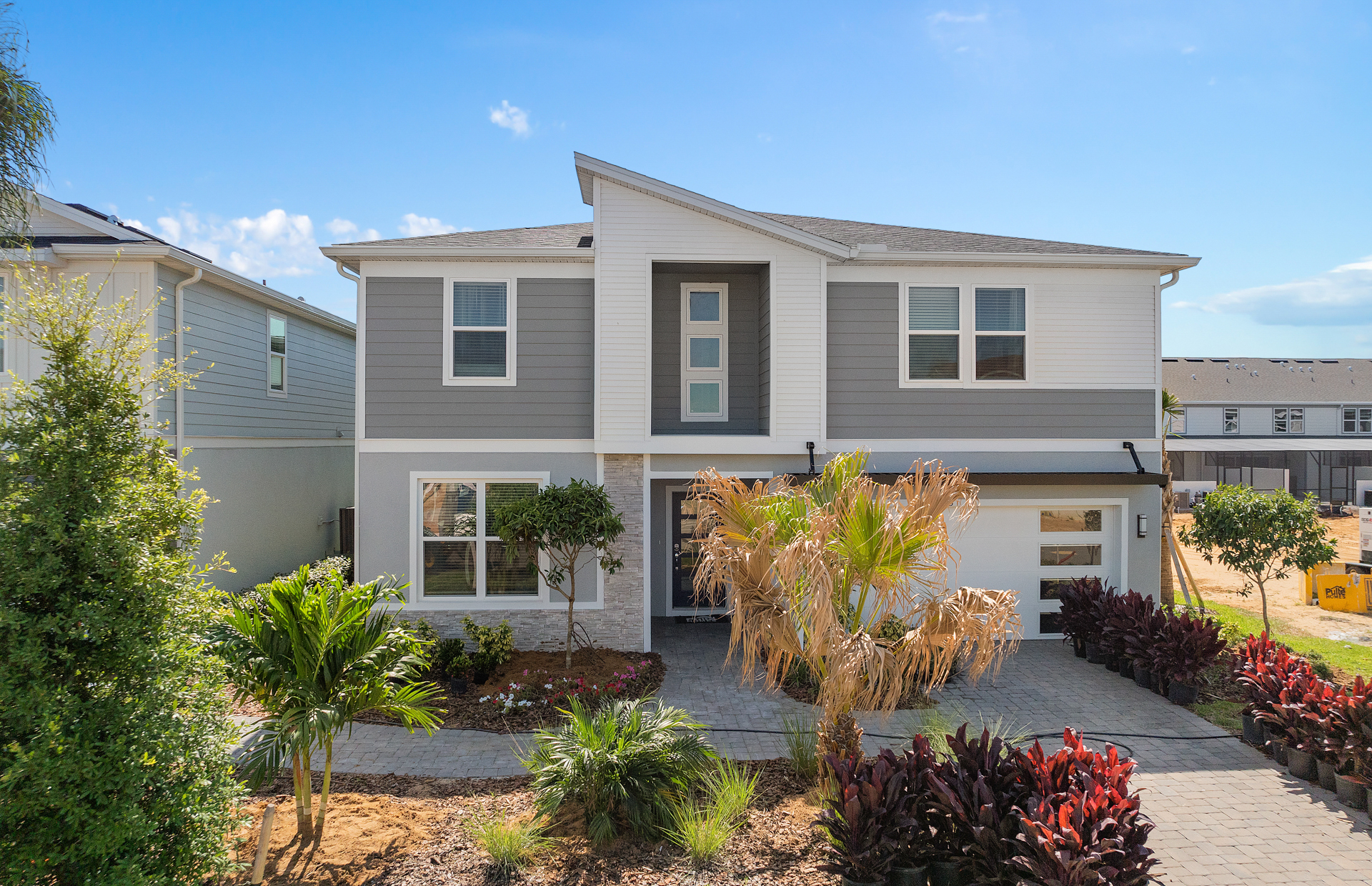
Owning a Florida rental property while living outside the United States is possible, but successful remote ownership requires more than hiring someone to collect rent.
An international owner needs a complete operating system that covers tenant or guest communication, rent collection, maintenance, inspections, legal notices, insurance, licenses, taxes, accounting, emergency response, and financial reporting.
Without a clear structure, even a property with strong rental demand can produce inconsistent income, unexpected expenses, compliance problems, or delayed maintenance.
This guide explains how to manage a Florida rental property remotely as a foreign investor, including how to select a property manager, organize financial controls, comply with Florida rental rules, supervise repairs, protect the property, and monitor performance from abroad.
Quick answer: A foreign investor can manage a Florida rental property remotely by appointing a qualified local property manager, maintaining separate financial records, establishing written approval limits, using digital owner reports, scheduling inspections, maintaining adequate reserves, confirming licenses and insurance, and creating documented procedures for maintenance, tenants, guests, taxes, and emergencies.
Can a Foreign Investor Own and Manage Florida Rental Property Remotely?
Yes. International investors can own Florida rental properties and coordinate their operation without living in the United States.
Many operational tasks can be handled through:
- A local property-management company;
- Electronic lease and contract signatures;
- Online rent and reservation collection;
- Digital accounting systems;
- Remote bank access;
- Property-management software;
- Video inspections;
- Electronic maintenance requests;
- Local contractors and service providers;
- Online insurance and tax records.
Remote ownership does not remove the owner’s legal, financial, tax, or maintenance responsibilities. It transfers daily execution to local professionals while the investor remains responsible for supervision and major decisions.
Remote Ownership Is a Business Operation
A rental property should be treated as an operating asset rather than a passive object that automatically produces income.
The owner needs systems for:
- Approving tenants or guests;
- Collecting income;
- Paying expenses;
- Responding to repair requests;
- Protecting deposits;
- Maintaining insurance;
- Monitoring licenses;
- Recording income and expenses;
- Handling emergencies;
- Reporting taxes;
- Evaluating annual investment performance.
The property manager may execute the daily work, but the owner should establish the budget, approval procedures, reporting standards, and investment objectives.
Step 1: Define the Rental Strategy
The management system depends heavily on whether the property will operate as a long-term, medium-term, or short-term rental.
Long-Term Rental
A long-term rental is commonly leased for six months, twelve months, or longer.
Management generally involves:
- Advertising the property;
- Screening applicants;
- Preparing and renewing leases;
- Collecting monthly rent;
- Managing security deposits;
- Responding to tenant maintenance requests;
- Conducting periodic inspections;
- Coordinating lease enforcement;
- Preparing the property between tenants.
Short-Term Rental
A short-term rental operates more like a hospitality business and may require:
- Reservation management;
- Nightly pricing;
- Guest communication;
- Check-in and check-out coordination;
- Cleaning after each reservation;
- Linen and supply replacement;
- Frequent property inspections;
- Platform management;
- Guest-review management;
- Licensing and transient-rental tax administration.
Medium-Term Rental
A medium-term rental may serve traveling professionals, temporary residents, relocating families, students, or people receiving medical treatment.
These properties are usually furnished and may be leased for several weeks or months. They can require less turnover than vacation rentals but more active management than traditional annual leases.
The intended strategy should be confirmed before purchasing because local regulations, association restrictions, financing, insurance, furnishing, and management expenses can differ significantly.
Step 2: Select a Qualified Local Property Manager
For most foreign investors, the property manager becomes the principal local representative responsible for the property’s daily operation.
The decision should not be based only on the lowest management fee.
The owner should evaluate:
- Experience with the property type;
- Experience with international owners;
- Knowledge of the specific city and neighborhood;
- Experience with long-term or short-term rentals;
- Communication procedures;
- Accounting and owner-reporting systems;
- Maintenance response process;
- Inspection procedures;
- Vendor relationships;
- Emergency availability;
- Insurance and professional licensing;
- Contract termination terms.
Verify Licenses and Business Information
International investors should verify the identity, business registration, and any professional licenses required for the services being performed.
Florida’s Department of Business and Professional Regulation provides an official online system for checking regulated businesses and professional licenses.
Use the Florida DBPR license-verification portal before signing a management agreement or transferring money.
Florida real estate brokerage activities are regulated under Chapter 475 of the Florida Statutes.
The owner should obtain legal advice regarding which licenses apply to the manager’s specific leasing, brokerage, rental, escrow, and operational activities.
Questions to Ask a Florida Property Manager
- How many properties do you currently manage?
- How many are similar to my property?
- Do you work with owners who live outside the United States?
- Who will be my principal contact?
- How quickly do you respond to owner, tenant, or guest messages?
- How are monthly statements delivered?
- How do you document maintenance and repairs?
- How often do you inspect the property?
- How are tenants screened?
- How are security deposits handled?
- Which expenses require owner approval?
- Do you add a markup to contractor invoices?
- How are emergencies handled outside business hours?
- Who holds the rental income and deposits?
- What insurance coverage does your company maintain?
- How can the management agreement be terminated?
Step 3: Review the Property-Management Agreement
The management agreement determines the manager’s authority and the owner’s obligations.
The contract should clearly define:
- Management services included;
- Monthly management fees;
- Leasing or reservation fees;
- Lease-renewal fees;
- Inspection fees;
- Maintenance coordination fees;
- Contractor markups;
- Advertising and photography costs;
- Eviction or legal coordination fees;
- Minimum reserve requirements;
- Manager spending authority;
- Owner approval procedures;
- Insurance requirements;
- Contract duration;
- Termination requirements;
- Transfer of records after termination.
Establish a Repair-Approval Limit
The agreement should establish the maximum amount the manager may spend without obtaining advance owner approval.
Emergency situations should be handled separately. The manager may need authority to act immediately to prevent injury, water damage, electrical risk, structural damage, or additional property loss.
The contract should explain:
- The standard approval limit;
- What qualifies as an emergency;
- How the owner will be notified;
- When multiple contractor estimates are required;
- Whether the manager receives maintenance markups;
- How invoices and photographs will be provided.
Step 4: Create a Separate Financial System
Rental-property income and expenses should be tracked separately from the investor’s personal finances.
A remote ownership system may include:
- A dedicated US bank account when appropriate;
- A separate account for the property or ownership entity;
- Online access for reviewing transactions;
- Automatic mortgage and association payments;
- Electronic owner statements;
- Digital invoice storage;
- A bookkeeping or accounting platform;
- Documented owner contributions and distributions.
When the property is owned through an LLC or another entity, mixing personal and entity transactions may complicate accounting, tax reporting, legal documentation, and liability analysis.
Maintain an Operating Reserve
The manager should not operate the property with only enough money to cover the current month’s expenses.
Reserves may be needed for:
- Emergency plumbing or electrical repairs;
- Air-conditioning replacement;
- Roof repairs;
- Insurance deductibles;
- Tenant vacancy;
- Lower-than-expected reservations;
- Appliance replacement;
- Homeowners association assessments;
- Storm preparation and cleanup;
- Legal or accounting expenses.
The appropriate reserve depends on the property’s condition, mortgage payment, insurance deductible, rental strategy, association fees, and expected maintenance.
Step 5: Require Consistent Owner Reporting
A foreign investor should not depend on occasional messages to understand the property’s performance.
The manager should provide a structured monthly owner statement.
Monthly Report
The monthly report should normally include:
- Rent or reservation income received;
- Management fees;
- Maintenance expenses;
- Utilities paid;
- Association payments;
- Cleaning or turnover expenses;
- Outstanding tenant balances;
- Security-deposit activity;
- Owner distributions;
- Current reserve balance;
- Copies of major invoices.
Quarterly Review
A quarterly review may include:
- Actual income compared with the budget;
- Occupancy or vacancy;
- Average rent or nightly rate;
- Maintenance trends;
- Insurance or tax changes;
- Tenant or guest issues;
- Upcoming lease expirations;
- Required property improvements;
- Competitive rental-market conditions.
Annual Review
The annual review should evaluate:
- Total gross income;
- Total operating expenses;
- Net operating income;
- Mortgage payments;
- Capital improvements;
- Property-tax changes;
- Insurance changes;
- Association fees and assessments;
- Market value and resale demand;
- Whether the rental strategy should continue or change.
Step 6: Organize Tenant Screening Correctly
For long-term rentals, tenant screening is one of the most important risk-management procedures.
A screening policy may evaluate:
- Identity verification;
- Income documentation;
- Employment or business information;
- Credit information;
- Rental history;
- Prior landlord references;
- Eviction records when lawfully available;
- Background information permitted by law;
- Occupancy requirements;
- Pet information.
The same written screening standards should be applied consistently to applicants.
Fair Housing Compliance
The federal Fair Housing Act prohibits discrimination in housing because of race, color, national origin, religion, sex, familial status, or disability.
Official guidance is available from the US Department of Housing and Urban Development.
Advertising, application requirements, screening criteria, rental terms, fees, accommodations, and property rules should be reviewed for compliance with federal, state, and local fair-housing requirements.
Tenant Background Reports
When a landlord or manager uses a consumer-reporting company to screen an applicant, federal Fair Credit Reporting Act procedures may apply.
The property manager should have procedures for authorization, adverse-action notices, data accuracy, privacy, and applicant disputes.
Additional information is available through the Federal Trade Commission’s tenant background-check guidance.
Step 7: Use a Florida-Specific Lease
A generic lease downloaded from another state may not address Florida requirements.
The lease should be prepared or reviewed for the property, rental strategy, association, and applicable Florida law.
A long-term lease may address:
- Legal names of the parties;
- Property address;
- Lease term;
- Rent amount and due date;
- Payment method;
- Late fees;
- Security deposit and advance rent;
- Utilities;
- Maintenance responsibilities;
- Property access;
- Pets;
- Occupancy limits;
- Association rules;
- Insurance requirements;
- Renewal and termination procedures;
- Required disclosures.
Disclosure of the Owner or Authorized Representative
Florida Statute 83.50 requires written disclosure, at or before the beginning of the tenancy, of the name and address of the landlord or a person authorized to receive notices and demands for the landlord.
This is particularly important for foreign owners because tenants must know which local person or entity is authorized to receive formal communications.
Electronic Delivery of Notices
Florida Statute 83.505 permits certain notices to be delivered by email when the landlord and tenant have signed the required voluntary addendum and designated valid email addresses.
The manager should not assume that every legal notice can automatically be sent by ordinary email without satisfying the applicable requirements.
Current provisions can be reviewed in Part II of Chapter 83, Florida Statutes.
Step 8: Handle Security Deposits Correctly
Security deposits and advance rent are governed by Florida Statute 83.49.
Depending on the situation, the landlord or authorized agent may be required to hold deposit money in a qualifying Florida account or use a permitted surety-bond structure.
The property manager should clearly document:
- The amount collected;
- The date received;
- The account or permitted method used to hold it;
- Required tenant disclosures;
- Move-in property condition;
- Move-out property condition;
- Deductions claimed;
- Notices sent to the tenant;
- Amounts returned.
Return or Claim Against the Deposit
When the landlord does not intend to make a claim, Florida law generally requires the deposit to be returned within 15 days after the tenancy ends.
When the landlord intends to make a claim, Florida Statute 83.49 generally requires written notice within 30 days after termination of the rental agreement. The statute contains specific language, delivery procedures, deadlines, and tenant-objection rights.
Because missing a deadline can affect the landlord’s ability to deduct from the deposit, remote owners should require the manager to maintain a lease-expiration and deposit-notice calendar.
Review the current text of Florida Statute 83.49.
Step 9: Maintain the Property and Respond to Repairs
Remote ownership requires a reliable local repair process.
Florida Statute 83.51 establishes landlord obligations involving applicable building, housing, and health codes and the maintenance of certain structural and plumbing components.
The management system should include:
- A 24-hour emergency contact;
- Licensed and insured contractors when required;
- Written tenant or guest repair requests;
- Photographs before and after repairs;
- Detailed contractor invoices;
- Owner approval procedures;
- Preventive-maintenance schedules;
- Documentation of completed work.
Preventive Maintenance
A preventive-maintenance plan may cover:
- Air-conditioning inspections;
- Filter replacement;
- Roof inspections;
- Plumbing leak checks;
- Water-heater inspections;
- Smoke-alarm testing;
- Pest control;
- Pool maintenance;
- Landscaping;
- Appliance inspections;
- Exterior caulking and sealing;
- Hurricane-season preparation.
Preventive maintenance can reduce emergency repairs and allow the owner to plan major replacements before a system fails.
Step 10: Schedule Property Inspections
A property should not remain uninspected simply because rent is being paid on time.
Inspections may be completed:
- Before a tenant or guest occupies the property;
- After a tenant moves out;
- At lease renewal;
- Periodically during a long-term tenancy;
- After major storms;
- After significant repairs;
- Between short-term reservations;
- Before insurance renewal.
The inspection report should include dated photographs, written observations, repair recommendations, and confirmation of safety-related items.
Landlord Access
Florida Statute 83.53 provides rules for landlord access to a dwelling unit.
For repairs, reasonable notice generally means at least 24 hours before entry, and a reasonable time is generally between 7:30 a.m. and 8:00 p.m. The statute also addresses emergencies, tenant consent, preservation of the property, and other circumstances.
The manager should follow the current statute and the lease rather than entering a long-term tenant’s home without proper notice.
Step 11: Comply With Florida Flood-Disclosure Requirements
Florida Statute 83.512 requires a separate flood disclosure to be provided at or before the execution of a residential rental agreement with a term of one year or longer.
The statutory disclosure addresses:
- Whether the landlord knows of flooding that damaged the dwelling during ownership;
- Whether the landlord filed an insurance claim relating to flood damage;
- Whether the landlord received flood-related assistance;
- The fact that standard renters’ insurance does not include flood coverage.
A remote owner should ensure that the property manager uses the current statutory disclosure and maintains a signed copy in the tenant file.
Flood exposure can also be researched through the FEMA Flood Map Service Center, the official federal source for flood-hazard maps.
A flood-zone designation should not be the only part of the analysis. Investors should also review prior claims, local drainage, property elevation, insurance availability, and the history of the specific property.
Step 12: Maintain Appropriate Insurance
Insurance should match the way the property is used.
A standard owner-occupied homeowners policy may not be appropriate for a rental property.
Long-Term Rental Insurance
A long-term rental may require a landlord policy addressing:
- The building;
- Owner-owned appliances;
- Liability;
- Loss of rental income after a covered event;
- Windstorm exposure;
- Flood coverage when selected or required;
- Other property-specific risks.
Short-Term Rental Insurance
A vacation rental may require coverage designed for frequent guest occupancy and business-related use.
The owner should evaluate:
- Guest-related liability;
- Furniture and contents;
- Pool or amenity risks;
- Loss of booking revenue;
- Property damage caused by guests;
- Windstorm and hurricane deductibles;
- Flood exposure;
- Platform-provided protections and exclusions.
Platform protections should not automatically be treated as a substitute for an appropriate insurance policy.
The manager should receive copies of the policy, insurer contact details, emergency procedures, and claim-reporting instructions.
Step 13: Create a Hurricane and Emergency Plan
Florida properties should have a documented plan for hurricanes, tropical storms, flooding, extended power outages, and other emergencies.
The plan may identify:
- The person authorized to inspect the property;
- The contractor responsible for storm preparation;
- Procedures for securing outdoor furniture;
- Shutter or window-protection procedures;
- Pool preparation;
- Guest and tenant communication;
- Post-storm inspection procedures;
- Insurance claim contacts;
- Emergency repair authorization;
- Photographic documentation requirements.
The owner should not wait until a storm is approaching to decide who will protect or inspect the property.
Step 14: Manage Short-Term Rental Licensing
Florida vacation rentals may be subject to state, county, city, zoning, association, safety, and tax requirements.
The Florida Department of Business and Professional Regulation defines and licenses qualifying vacation rentals through its Division of Hotels and Restaurants.
According to the DBPR’s official guide, renting an entire unit more than three times in a calendar year for periods of less than 30 days or one calendar month, whichever is shorter, or regularly advertising it as a rental may create a state licensing requirement.
The available classifications include vacation-rental condominium and vacation-rental dwelling licenses.
Review the current DBPR Guide to Vacation Rentals and Timeshare Projects.
State Licensing Does Not Replace Local Approval
A state vacation-rental license does not automatically confirm compliance with:
- City regulations;
- County regulations;
- Zoning requirements;
- Homeowners association rules;
- Condominium restrictions;
- Occupancy rules;
- Parking requirements;
- Noise ordinances;
- Local business-tax requirements.
Permission should be verified for the specific property address before purchase and monitored throughout ownership.
Step 15: Organize Short-Term Rental Taxes
Florida rental charges for living or sleeping accommodations for periods of six months or less are generally subject to the state’s transient-rental tax rules.
The Florida Department of Revenue states that the 6% state sales tax, plus any applicable discretionary sales surtax, applies to qualifying transient accommodations.
Counties may also impose local-option transient rental taxes, including tourist-development or similar taxes.
The owner or manager may need to:
- Register with the Florida Department of Revenue;
- Register with the county or applicable local authority;
- Collect taxes from guests;
- File periodic returns;
- Remit state and local taxes;
- Maintain reservation records;
- Confirm which amounts a booking platform collects and remits.
International owners should not assume that a booking platform handles every tax for every jurisdiction.
Review the current Florida Department of Revenue guide to rental accommodations.
Step 16: Manage Short-Term Rental Operations
A short-term rental manager should have documented procedures for every reservation.
Before Arrival
- Confirm identity and reservation details;
- Collect payment and deposits;
- Send property rules;
- Provide check-in instructions;
- Confirm access codes;
- Verify the property has been cleaned and inspected;
- Confirm that required supplies are available.
During the Stay
- Respond to guest communication;
- Monitor noise or parking issues when lawful;
- Coordinate emergency repairs;
- Document reported damage;
- Maintain local-contact availability.
After Departure
- Inspect the property;
- Document damage;
- Coordinate cleaning and laundry;
- Replace supplies;
- Test locks and equipment;
- Schedule repairs;
- Prepare for the next reservation.
Step 17: Protect Digital Access and Owner Funds
Remote ownership depends on electronic systems, which makes cybersecurity and financial verification important.
The owner should use:
- Unique passwords;
- Multi-factor authentication;
- Separate user permissions;
- Secure document storage;
- Verified bank-account information;
- Written authorization procedures;
- Regular review of account activity.
Prevent Wire Fraud
Before sending funds for a purchase, repair, insurance payment, or other large expense, verify the recipient and banking instructions through a previously confirmed telephone number.
Do not rely only on payment instructions contained in a new or unexpected email.
Major changes to a contractor’s, title company’s, manager’s, or lender’s payment information should be independently confirmed.
Step 18: Maintain Tax and Accounting Records
Rental income and expenses may create US federal tax obligations for foreign owners.
Important records may include:
- Monthly owner statements;
- Lease agreements;
- Reservation reports;
- Bank statements;
- Contractor invoices;
- Insurance records;
- Property-tax bills;
- Association statements;
- Management contracts;
- Licenses and registrations;
- Furniture and equipment purchases;
- Repair and improvement records;
- Tax returns;
- Owner contributions and distributions.
The IRS explains rental-income reporting, expenses, depreciation, personal use, and special rental situations in Publication 527, Residential Rental Property.
Foreign investors should coordinate with qualified US and home-country tax professionals regarding income reporting, ownership entities, tax identification numbers, and international obligations.
Step 19: Monitor Property Performance
A property should be evaluated using complete financial results rather than only gross rent.
Important indicators may include:
- Gross rental income;
- Vacancy or occupancy;
- Management fees;
- Maintenance costs;
- Insurance;
- Property taxes;
- Association fees;
- Utilities;
- Cleaning and platform fees;
- Net operating income;
- Mortgage payments;
- Cash flow;
- Capital improvements;
- Current market value.
Management Performance Questions
At least annually, the owner should ask:
- Is the property achieving realistic market rent?
- Are vacancies or unbooked dates excessive?
- Are maintenance costs increasing?
- Are repairs being documented correctly?
- Are tenant or guest complaints recurring?
- Are financial statements delivered on time?
- Are licenses and insurance current?
- Is the manager communicating effectively?
- Would another rental strategy produce a stronger result?
- Does the property still align with the investor’s objective?
Step 20: Prepare for a Change of Property Manager
The owner should understand how records, funds, keys, deposits, leases, reservations, and online accounts will be transferred if the management relationship ends.
The termination checklist may include:
- Written termination notice;
- Final owner statement;
- Transfer of tenant security deposits;
- Transfer of advance rent;
- Copies of leases and applications;
- Guest-reservation records;
- Keys and access codes;
- Vendor information;
- Inspection reports;
- Maintenance history;
- Licensing documents;
- Tax records;
- Transfer of listing or platform access when permitted.
A new manager should not begin operating the property until responsibility for funds, records, notices, guests, tenants, and emergencies has been clearly transferred.
Red Flags When Hiring a Property Manager
- Refusing to provide a written management agreement;
- Using a personal account for owner funds without explanation;
- Unable to provide clear monthly statements;
- Refusing to provide contractor invoices;
- Unclear maintenance markups;
- No documented inspection procedure;
- No after-hours emergency system;
- Guaranteeing rental income or occupancy;
- Ignoring association or local rental restrictions;
- Unable to explain deposit procedures;
- Unable to confirm required licenses;
- Poor communication before the agreement is signed;
- Pressuring the owner to transfer money immediately;
- No process for international owners.
Remote Property-Management Checklist
- Confirm the rental strategy: long-term, medium-term, or short-term.
- Verify rental permission: review city, county, zoning, condominium, and association requirements.
- Select a qualified manager: check experience, references, licenses, communication, and reporting.
- Review the management agreement: understand fees, authority, maintenance, reserves, and termination.
- Separate finances: establish appropriate banking, bookkeeping, and document storage.
- Create an operating reserve: maintain funds for emergencies, vacancies, and replacements.
- Require monthly reports: review income, expenses, reserves, and invoices.
- Use compliant tenant screening: follow fair-housing and consumer-reporting requirements.
- Use Florida-specific leases: include required disclosures and notice procedures.
- Handle deposits correctly: follow the applicable holding, notice, return, and claim requirements.
- Schedule inspections: document property condition throughout ownership.
- Maintain insurance: match coverage to the property’s actual rental use.
- Prepare for storms: create written hurricane and emergency procedures.
- Maintain licenses and taxes: monitor state, local, and short-term rental obligations.
- Review annual performance: evaluate net income, management quality, and investment strategy.
Frequently Asked Questions
Can I manage a Florida rental property while living outside the United States?
Yes. Foreign owners can coordinate rental-property operations remotely through a local manager, online financial systems, electronic documents, digital reporting, inspections, and local contractors.
Do I need a property manager?
A property manager is not automatically required for every property, but international owners generally need a reliable local person or company to handle tenants, guests, repairs, inspections, emergencies, and regulatory responsibilities.
How do I verify a Florida property manager?
Confirm the business identity, references, insurance, experience, and any licenses required for the services performed. Florida DBPR provides an official online professional and business license-verification system.
Can a property manager spend money without my approval?
The management agreement should establish a spending limit. Managers may also receive authority to act during emergencies to protect people or prevent additional property damage.
How often should a rental property be inspected?
The appropriate schedule depends on the property and rental strategy. Inspections may occur before occupancy, after move-out, during or at renewal of a long-term lease, between short-term stays, after major storms, and after significant repairs.
Can legal notices be sent by email in Florida?
Florida Statute 83.505 permits electronic delivery of certain notices when the parties have signed the required voluntary addendum and provided valid email addresses. The specific statutory procedure should be followed.
How quickly must a Florida security deposit be returned?
When no claim is intended, Florida law generally requires return within 15 days after the tenancy ends. When the landlord intends to claim against the deposit, the statute generally requires the applicable written notice within 30 days.
Can the property manager enter a tenant’s home whenever necessary?
No. Florida law governs landlord access. For repairs, reasonable notice generally means at least 24 hours, with entry at a reasonable time. Emergencies and certain other circumstances follow separate rules.
Does a Florida vacation rental need a license?
Qualifying vacation rentals may require a DBPR license in addition to local approvals, tax registrations, association permission, insurance, and other requirements.
Does the booking platform pay all Florida rental taxes?
Not necessarily. Platform practices and agreements vary. The owner or manager should confirm which state, county, and municipal taxes are collected and remitted and which remain the owner’s responsibility.
What reports should a property manager send?
The manager should provide regular statements showing income, expenses, maintenance, fees, reserves, deposits, owner distributions, invoices, and property-status information.
Do foreign owners pay US tax on rental income?
Rental income from US property may create federal tax and filing obligations. The exact treatment depends on the investor’s tax residency, ownership structure, elections, income, expenses, and applicable treaties.
Build a Reliable Remote Property-Management System
Remote property ownership succeeds when daily operations are supported by clear contracts, local professionals, financial controls, documented maintenance, legal compliance, insurance, and consistent reporting.
The goal is not simply to find someone who can collect rent. The objective is to create a management structure that protects the property, serves tenants or guests, preserves records, controls expenses, and gives the international investor reliable information for making decisions.
Buldora helps international investors evaluate Florida rental properties, compare management strategies, understand operating costs, and coordinate the investment process with qualified local professionals.
Start your Florida rental-property analysis with Buldora
About the Author
Raphaela Banks is Co-Founder and Global Real Estate Strategist at Buldora Invest. She develops strategies and educational content to help international investors understand real estate opportunities in the United States, Brazil, and Dubai.
Sources & References
This article was researched using original government publications, official statutes, and regulatory resources. Laws, administrative procedures, tax requirements, licenses, forms, and local regulations may change after publication.
- Florida Legislature — Chapter 83, Landlord and Tenant
- Florida Legislature — Section 83.49, Security Deposits and Advance Rent
- Florida Legislature — Chapter 475, Real Estate Brokers, Sales Associates, Schools, and Appraisers
- Florida Department of Business and Professional Regulation — Verify a License
- Florida DBPR — Guide to Vacation Rentals and Timeshare Projects
- Florida DBPR — Vacation Rental Dwelling License Application Requirements
- Florida Department of Revenue — Sales and Use Tax on Rental of Living or Sleeping Accommodations
- Florida Department of Revenue — Local Option Transient Rental Taxes
- Internal Revenue Service — Publication 527, Residential Rental Property
- Internal Revenue Service — Topic 414, Rental Income and Expenses
- US Department of Housing and Urban Development — Fair Housing Act Overview
- Federal Trade Commission — Tenant Background Checks and the Fair Credit Reporting Act
- Federal Emergency Management Agency — Flood Map Service Center
This article is provided for general informational and educational purposes only. It does not constitute legal, tax, accounting, insurance, property-management, licensing, lending, immigration, financial, or investment advice. Requirements vary by property, jurisdiction, rental strategy, ownership structure, and individual circumstances. International owners should consult qualified Florida and home-country professionals before purchasing, leasing, licensing, managing, or operating a rental property.