Insurance is the largest variable cost of owning Florida property, and the one most often budgeted from a national average that does not apply. County averages ranged from about US$ 2,105 in Sumter to US$ 7,863 in Monroe as of 31 March 2026 — a spread of nearly four times for the same coverage. And the standard policy does not cover flood at all.
Flood is not included. It never was.
A standard Florida homeowners policy excludes flood. Covering it requires a separate policy, either through the National Flood Insurance Program or a private flood carrier.
Florida statute defines flood narrowly — broadly, inundation of two or more acres of normally dry land, or of two or more properties including yours. Water damage that does not meet that definition may fall under the homeowners policy; water that does, does not. Owners discover which category their loss fell into after the loss.
Reported NFIP premiums in Florida average around US$ 938 a year, though the figure varies enormously by flood zone. A new NFIP policy typically carries a 30-day waiting period, with exceptions including purchase alongside a mortgage.
One 2026 source states the NFIP was authorised through 30 September 2026 — a date now past. We could not confirm the programme's current authorisation status from available sources. If flood cover matters to your purchase, check FEMA directly before you rely on it. This is not a detail to take from a blog, including this one.
What actually drives the premium
Roof age and material. This dominates, and the published guidance conflicts. One source describes a Florida law in force since 2022 barring refusal or non-renewal solely on roof age where the roof is under 15 years and passes inspection. Another describes carriers enforcing 15-year limits on asphalt shingle and 20-year on tile, with some declining renewal past 10 years in hurricane-exposed areas. Citizens applies its own documentation requirements for older roofs.
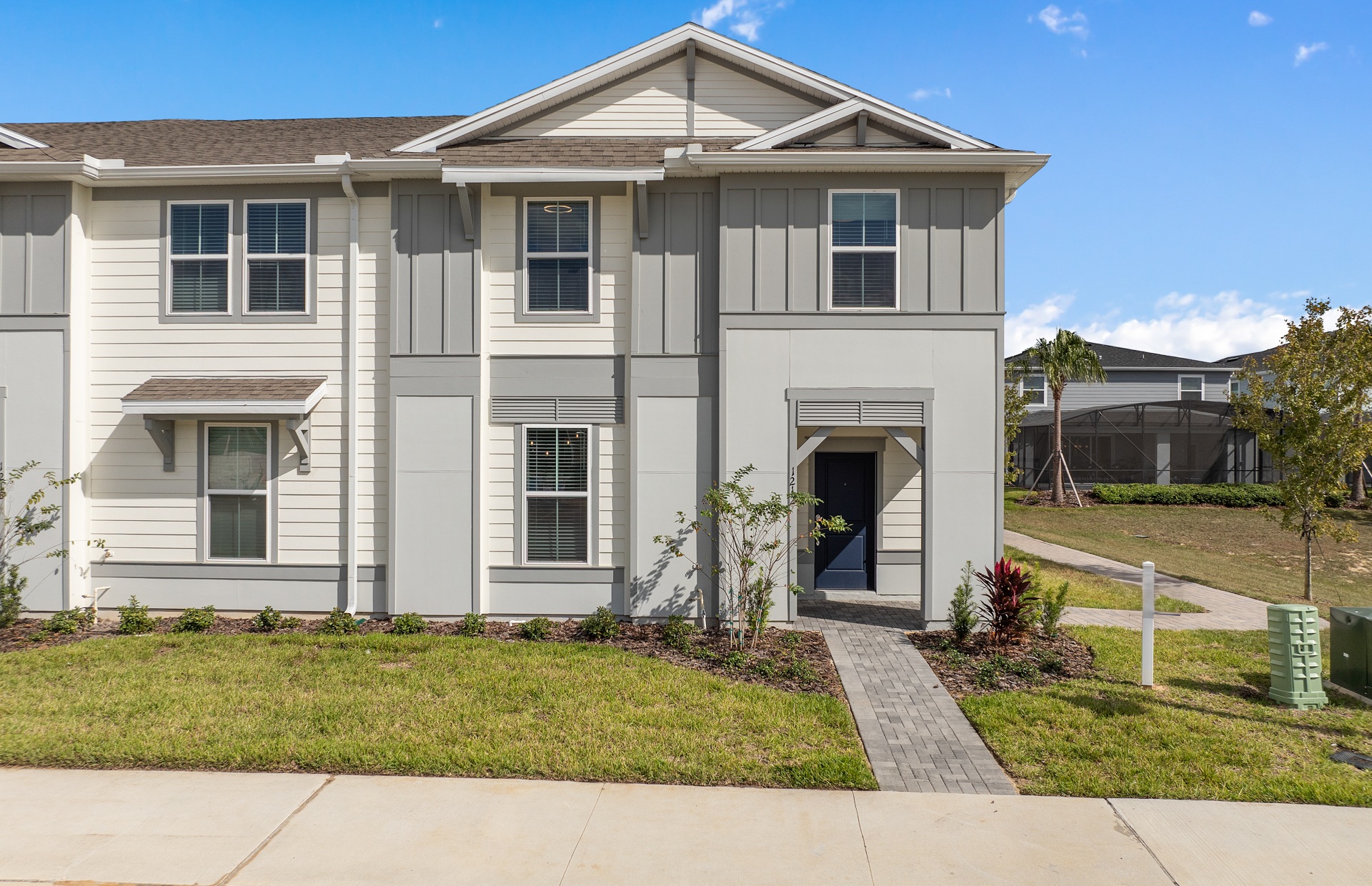
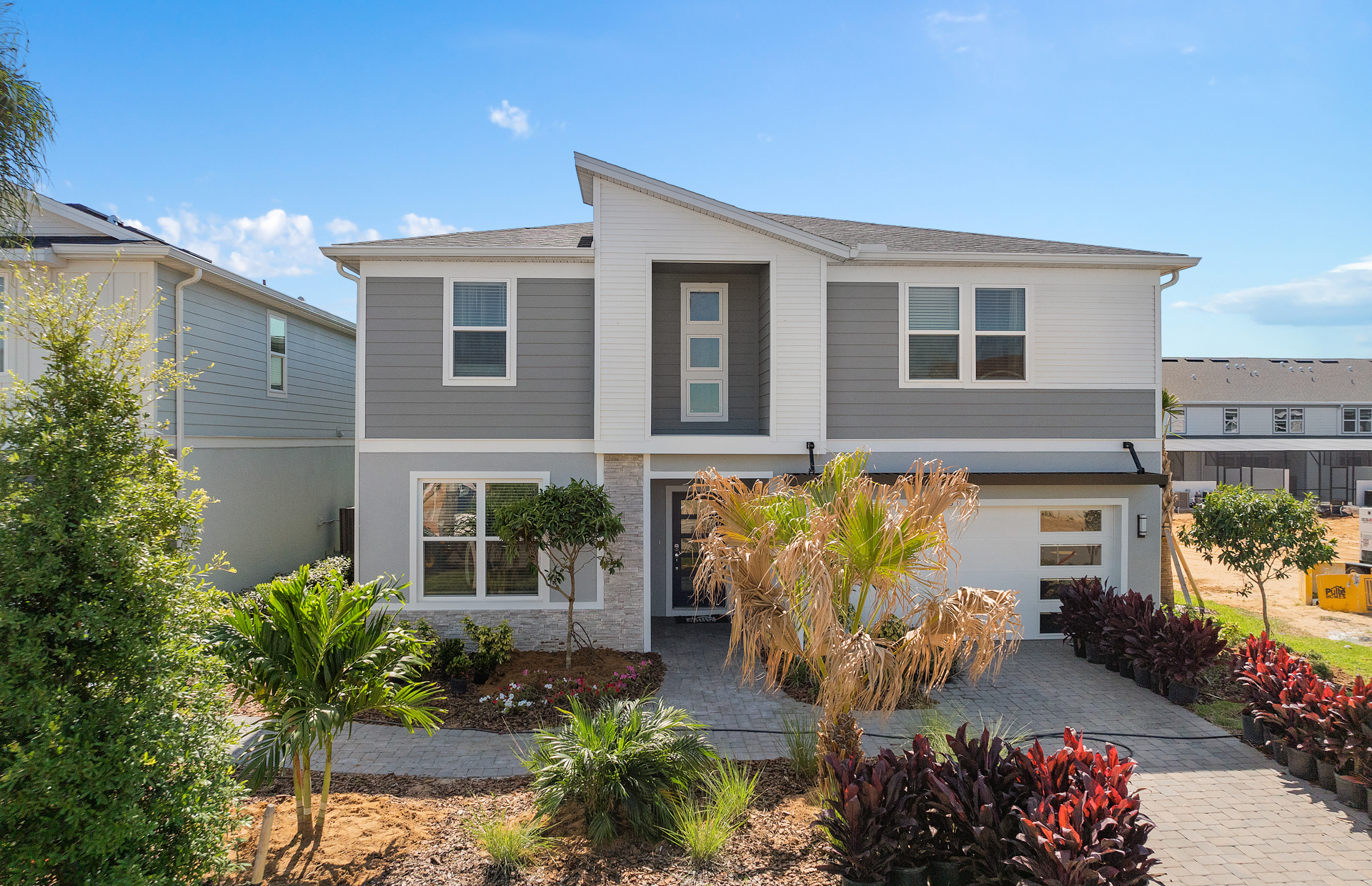
Construction standard. A home built to current Florida building code insures materially cheaper than an older property of identical value. This is the quantifiable argument for new construction that has nothing to do with how it looks.
Hurricane deductible. Florida policies carry a separate hurricane deductible, usually expressed as a percentage of dwelling coverage rather than a flat sum. A 2% deductible on US$ 350,000 is US$ 7,000 out of pocket before the policy responds. Quotes that look cheap often carry a higher percentage.
County. The four-fold spread above is not about the house. Coastal exposure and local claims history move the number before anything about your property is considered.
The discount most owners never claim
Florida law requires insurers to give premium credits for construction features that reduce hurricane damage — roof shape, roof-to-wall attachment, opening protection, secondary water resistance. These are documented by a wind mitigation inspection, recorded on form OIR-B1-1802, which is generally valid for up to five years.
The inspection costs a few hundred dollars. On a property with good features, the credits frequently exceed that in the first year. Many owners, particularly remote ones who never see a local agent, simply never have it done.
Why published averages disagree so much
Figures for the Florida average run from about US$ 3,736 to US$ 7,136 a year depending on source. The spread is not carelessness — it reflects different assumptions about dwelling coverage limits, hurricane deductible percentage, construction type and whether flood is included.
The practical consequence: a premium estimate is only meaningful alongside its assumptions. Ask for the dwelling limit, the hurricane deductible percentage, and whether flood is in or out before comparing two quotes.
What a remote owner should do
- Get a real quote on the specific parcel before closing, not a state average. The spread between counties is larger than most buyers' entire maintenance budget.
- Ask whether the property sits in a designated flood zone, and price flood cover separately.
- Commission a wind mitigation inspection and give the form to your carrier.
- Confirm the roof's age and remaining life — it affects not only price but whether cover is offered at all.
Sources
- Florida Office of Insurance Regulation — rates, wind mitigation and consumer guidance
- FEMA — National Flood Insurance Program
- Citizens Property Insurance — eligibility and roof requirements
- National Association of Realtors — foreign buyers, April 2025 to March 2026
General information as of October 2026, not insurance advice. Premium figures come from third-party sources that disagree, and NFIP authorisation status could not be confirmed at the time of writing. Verify with the Florida OIR, FEMA and a licensed Florida agent before relying on any figure here.
Want a real insurance figure on a specific property?
Pre-qualification takes three minutes and lets us model the full carrying cost, insurance included. Start.