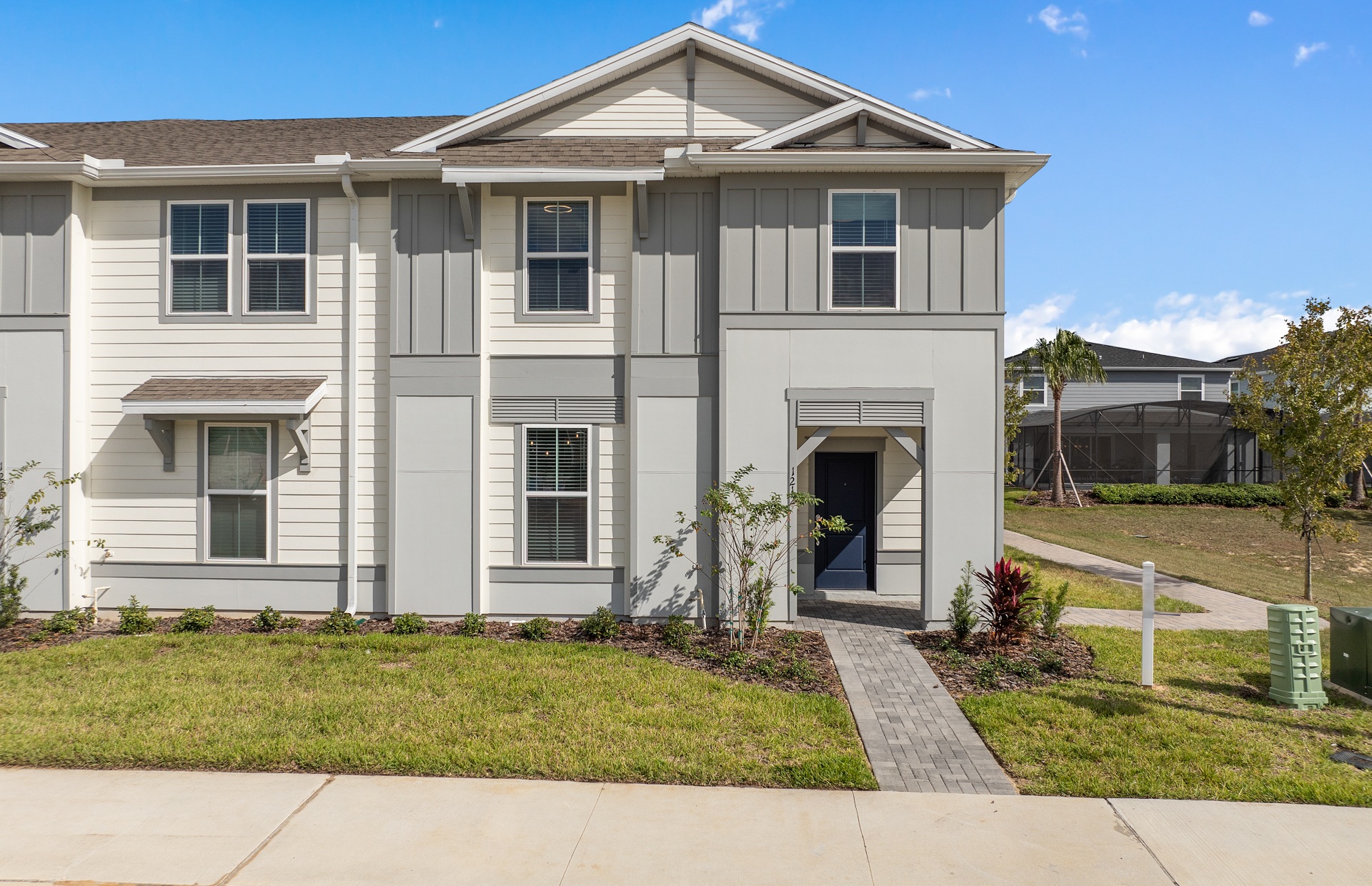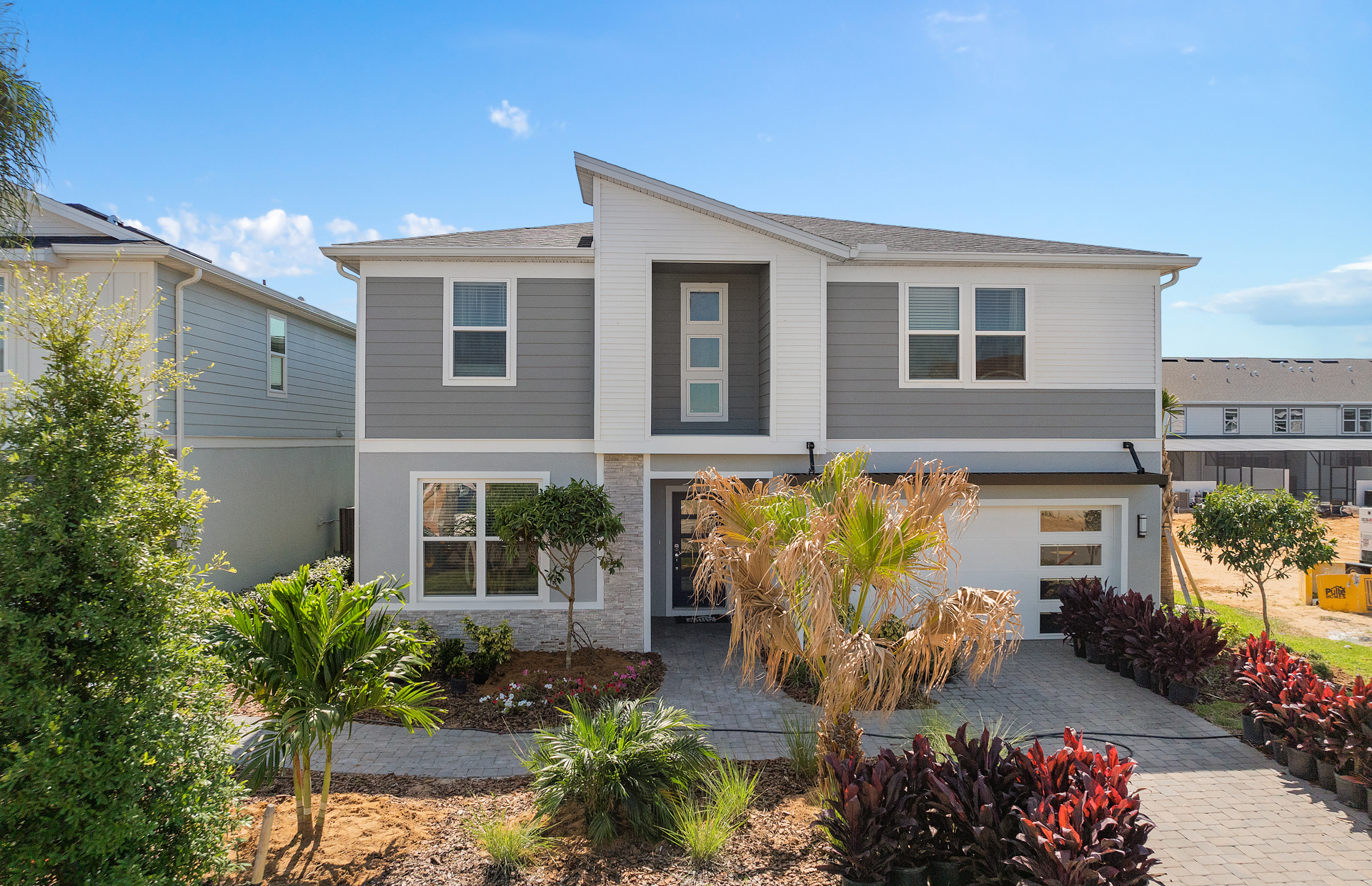
The same house in Florida costs different amounts to own depending on whether you live in it. A Florida resident claiming the homestead exemption removes up to US$ 51,411 from taxable value in 2026 and caps future assessment increases at 2.7% that year. A non-resident investor gets neither. Over a decade in a rising market, that gap compounds into real money — and it is only one of four things that change.
1. The homestead exemption, and who gets it
Florida's homestead exemption totals US$ 51,411 for 2026. It arrives in two parts: the first US$ 25,000 applies to all property taxes including school levies, and a second, inflation-adjusted US$ 26,411 applies only to non-school levies. Older guides still quote a flat US$ 50,000; that figure predates the inflation adjustment.
To claim it you must own the home and occupy it as your permanent residence on 1 January, and file with the county property appraiser by 1 March. A Florida driver's licence and voter registration are commonly cited as supporting proof of residency.
An investment property owned by a non-resident does not qualify. This is not a technicality to work around — it follows from permanent residence, which is a fact about where you live.
2. Save Our Homes: the part that compounds
The direct saving from the exemption is modest — at an effective rate near 1.1%, removing US$ 51,411 from the base saves roughly US$ 500 a year. The cap is where the divergence actually happens.
Save Our Homes limits the annual increase in a homesteaded property's assessed value to the lower of 3% or the change in CPI. For 2026 that figure is 2.7%, per guidance citing the Florida Department of Revenue, though some published guides still describe it as a flat 3%.
A non-homesteaded property carries no such cap on the same basis. In a market where values rise faster than 2.7%, the resident's assessment falls progressively behind the market while the investor's tracks it. Ten years of that is not a rounding difference.
Up to US$ 500,000 of accumulated Save Our Homes benefit can transfer to a new Florida homestead, generally within three tax years. It follows the person, not the house.
3. Estate tax: the difference almost nobody raises
A US citizen or resident has a federal estate tax exemption in the millions. A non-resident alien holding US-situs assets — and US real property is US-situs — has had an exemption of US$ 60,000, with rates above that reaching the 40% band.
A buyer who intends to relocate and a buyer who intends to stay abroad are therefore in materially different positions on the same house, and the second one has a structuring decision to make that the first one may not.
4. Financing is underwritten differently
An owner-occupant loan and an investment-property loan are different products. Investment financing generally carries a larger down payment and a higher rate, and for a foreign national without US income the usual route is a DSCR loan, qualified on the property's rental income rather than on personal earnings.
Someone buying a future home has to be honest with a lender about occupancy intent. Representing an investment purchase as owner-occupied to obtain better terms is mortgage fraud, not a strategy.
What buying does not do
It does not give you a visa, residency or any path to a green card. Property ownership and immigration status are separate systems in US law, and nothing about owning a house in Orlando changes your position at the border.
This matters for sequencing. If the plan is to live in Florida, the immigration question is the first question — not the property one. Buying first and solving status afterwards is how people end up owning a home they cannot occupy, paying non-resident taxes on it, and unable to claim the exemption that made the arithmetic work.
One thing to watch this November
A proposed constitutional amendment affecting the non-school exemption and the assessment cap for non-homestead property was reported as awaiting a vote in November 2026. We could not verify its text or status against an official source, so treat it as a question to check with the Florida Division of Elections rather than a change to plan around.
If it passes, it changes the numbers above for both audiences. Confirm before you commit either way.
Sources
- Florida Department of Revenue — property tax exemptions
- IRS — estate tax for nonresidents not citizens of the US
- Florida Division of Elections — ballot measures
- National Association of Realtors — foreign buyers, April 2025 to March 2026
General information as of October 2026, not tax, legal or immigration advice. Exemption amounts and caps are set annually and a ballot measure was pending at the time of writing. Confirm with the county property appraiser and a cross-border CPA before transacting.
Investing, relocating, or still deciding?
Pre-qualification takes three minutes and the answer changes which properties and which structure make sense. Start.