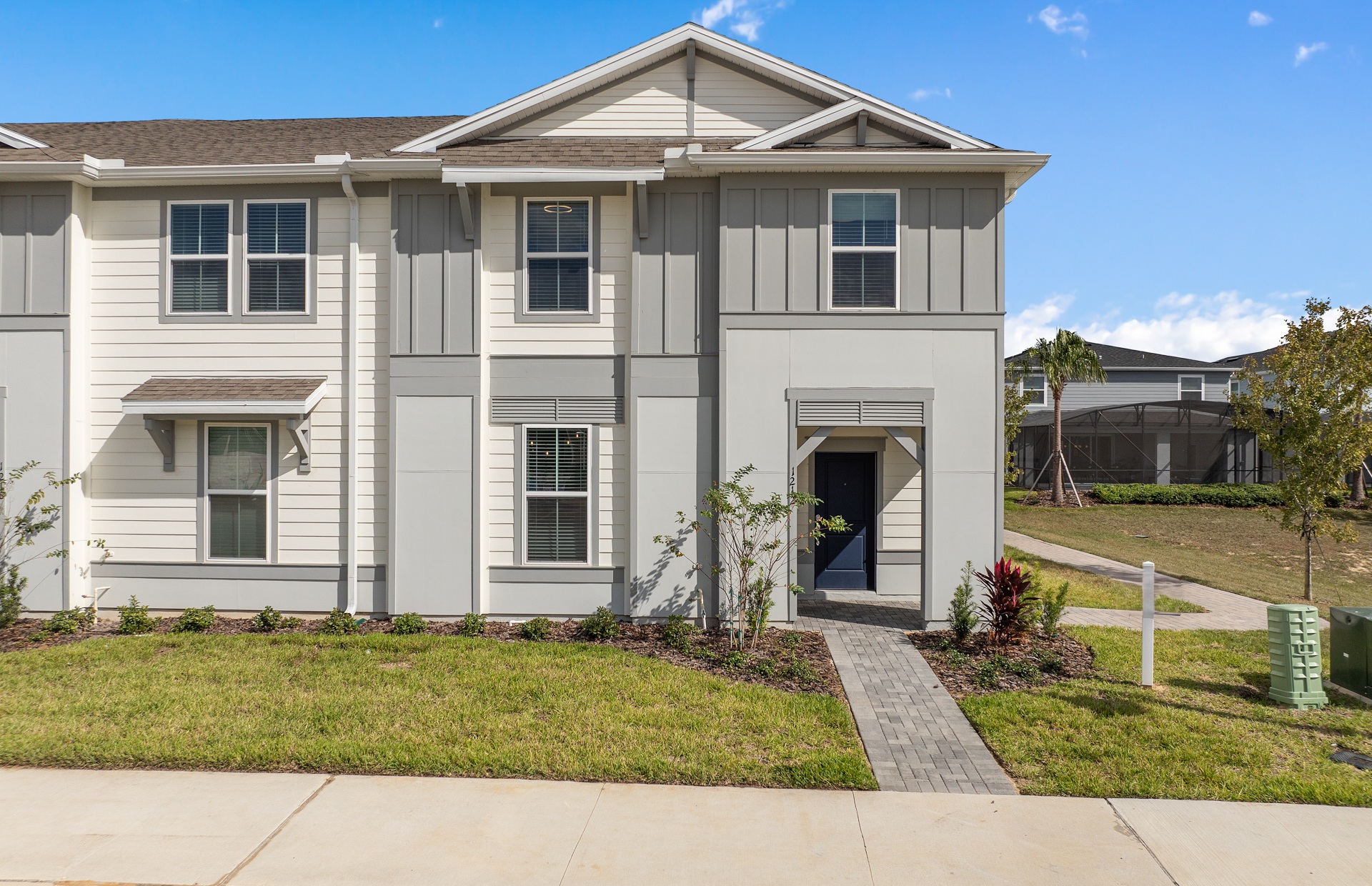
U.S. real estate investment can yield after-tax returns of 20-30% for foreign investors when they effectively navigate tax obligations and deductions. By understanding filing requirements and leveraging depreciation, international investors can significantly enhance their net income from U.S. properties while minimizing tax liabilities.
What Are the U.S. Tax Filing Obligations for Non-Resident Investors?
Non-resident aliens owning U.S. rental property must file a U.S. federal income tax return (Form 1040-NR) annually. They need to report their U.S.-source rental income. The default withholding for non-resident landlords is a 30% flat tax on gross rental income, applied by the tenant or property manager.
Non-residents can elect to treat their rental activity as "effectively connected income" (ECI). This allows taxation on net rental income after deductions at graduated rates similar to U.S. residents. This election is typically more beneficial and should be made when filing the first tax return, requiring an Individual Taxpayer Identification Number (ITIN).
How Does Depreciation Serve as the Most Powerful Deduction?
The United States real estate market attracts over $60 billion in foreign direct investment annually. International investors benefit from dollar-denominated returns, robust legal protections, and institutional-grade financing—all without U.S. residency requirements.
Depreciation allows property owners to deduct the cost of the building over 27.5 years. This significantly reduces taxable rental income. For instance, a $380,000 property with $300,000 allocated to the building yields an annual depreciation deduction of $10,909. This non-cash deduction can effectively lower or eliminate taxable income early in ownership.
For example, an investor receiving $26,400 in gross rent, after $10,900 in operating expenses and $10,909 in depreciation, would report only $4,591 in taxable net income. This results in a dramatically lower effective tax burden compared to the gross rental income.
What Deductible Expenses Should Rental Property Owners Consider?
Beyond depreciation, all ordinary and necessary expenses for managing a rental property are deductible. These include:
- Property management fees: Costs associated with hiring a management company.
- Mortgage interest: Interest paid on loans used to finance the property.
- Property taxes: Taxes levied by local governments on the property.
- Homeowners insurance: Insurance protecting against property damage.
- HOA fees: Fees paid to homeowners associations for shared services.
- Maintenance costs: Expenses for repairs and upkeep of the property.
- Professional services: Fees for legal or accounting services related to the property.
These deductions, combined with depreciation, can create a tax loss on paper even if the property generates positive cash flow.
How Does LLC Ownership Affect Tax Treatment for Foreign Investors?
A single-member LLC owned by a foreign national is classified as a "disregarded entity" for U.S. tax purposes. This means its income and expenses flow directly to the owner's Form 1040-NR without separate entity-level tax filings. This structure simplifies compliance while preserving liability protection.
For estate tax planning, note that U.S.-situs property owned by a foreign national is subject to U.S. estate tax at death, potentially at rates up to 40%. Some investors opt for U.S. or foreign corporations as holding entities to mitigate estate tax exposure. Consulting an estate planning attorney with cross-border expertise is advisable for portfolios exceeding $500,000.
FAQ
Do I Pay Taxes in Both the U.S. and My Home Country on Rental Income?
Yes, depending on your home country's tax treaty with the U.S. Many countries have treaties that reduce or eliminate double taxation. For Brazilian investors, no formal treaty exists, meaning both U.S. and Brazilian taxes may apply to U.S. rental income. However, foreign tax credits may alleviate the burden. Consulting tax advisors in both jurisdictions is essential.
What Is "Cost Segregation" and Can It Help Me?
Cost segregation is a tax strategy that accelerates depreciation on specific building components. This is achieved by reclassifying them as 5, 7, or 15-year property instead of the standard 27.5 years. This approach dramatically increases early depreciation deductions and is available to non-resident investors.
When Must I File My U.S. Tax Return as a Non-Resident Rental Property Owner?
Non-resident investors must file U.S. tax returns (Form 1040-NR) by June 15 of the year following the tax year. They benefit from an automatic 2-month extension from the April 15 deadline for U.S. persons. Extensions can be requested for additional time.
"Understanding the tax implications of U.S. real estate investment is crucial for foreign investors aiming to maximize returns and minimize liabilities." — Raphaela Rolim, Co-founder and Chief Strategist
Ready to Start Your U.S. Real Estate Investment?
Buldora helps international investors identify, acquire, and manage real estate opportunities across the United States. Submit your investor profile and receive curated opportunities matched to your criteria.