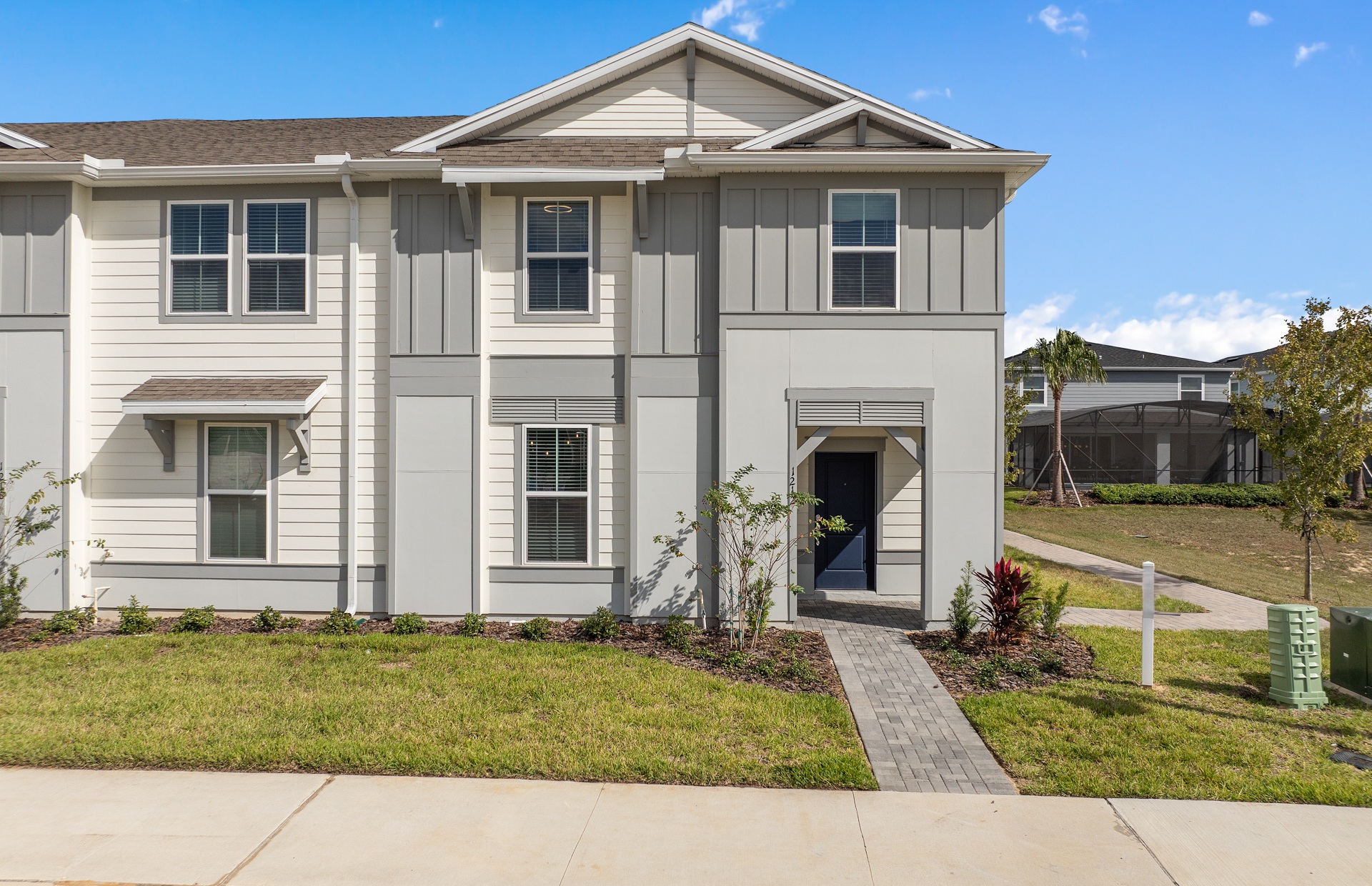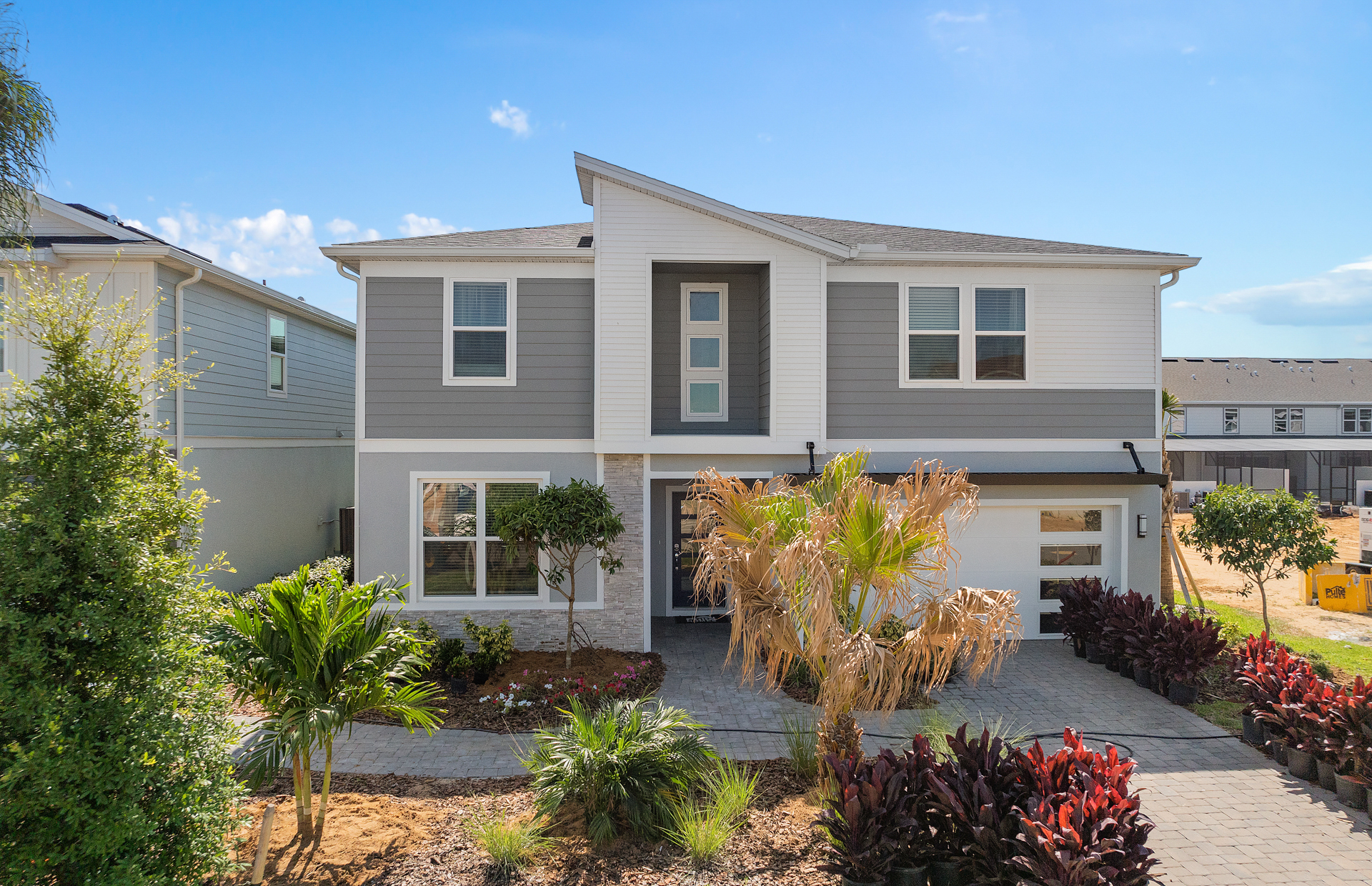
Industry research from groups like the National Association of Realtors and staging associations consistently finds that staged homes tend to sell faster and can attract stronger offers, because buyers struggle to picture themselves in empty or cluttered rooms. For occupied homes, staging often means decluttering, depersonalizing, and rearranging what you own. For vacant homes, professional staging (or increasingly, virtual staging for photos) helps rooms feel purposeful and to scale. The right approach depends on your home and budget.
Staging is not about decorating for you - it is about helping buyers emotionally connect. Here is how vacant and occupied situations differ.
1. Why staging works
Buyers make emotional decisions and need to visualize living in the space. NAR and staging-industry surveys report that staging can reduce time on market and support price, especially in living rooms, primary bedrooms, and kitchens. Even light staging removes the distractions that make buyers hesitate.
2. Occupied homes: edit what you have
If you still live in the home, staging usually means decluttering, depersonalizing (removing family photos and excess), deep cleaning, and rearranging furniture to show space and flow. This costs little beyond effort and is almost always worth it. A neutral, tidy home photographs and shows far better.
3. Vacant homes: fill the emptiness
Empty rooms can feel small and cold, and buyers misjudge scale. Professional staging - real furniture and decor - helps a vacant home feel warm and to scale, which often speeds the sale. For lower budgets, virtual staging (digitally furnished photos, clearly disclosed) can help the online listing, though it does not change the in-person experience.
4. Focus on the rooms that matter
You do not have to stage every room. Concentrate on the spaces buyers weigh most - the living area, kitchen, and primary bedroom - and on strong photos. Partial, well-targeted staging captures most of the benefit at a fraction of full-house cost.
5. Weigh cost against your market
Staging is an investment, so weigh it against your price point and how competitive your market is. In a balanced or buyer-leaning market, presentation matters more. A local specialist can recommend the lightest staging that gets results, and a free home value review shows where the effort fits your strategy.
Three free ways to start - no obligation
1. Free Home Value Review. A data-backed estimate of what your home could realistically sell for in today's Central Florida market.
2. Free Seller Net Sheet. A line-by-line estimate of your closing costs and your likely net proceeds, to weigh staging spend.
3. Free 15-Minute Selling Strategy Call. A short, no-pressure call to map pricing, prep, and staging for your specific home.
 Raphaela Rolim - Real Estate in Florida
THE TEAM by LPT Realty LLC
Call or text: (689) 222-7912
Frequently asked questions
Does staging really help sell a home?
Industry research from NAR and staging associations finds staged homes often sell faster and can attract stronger offers, because buyers connect better with a well-presented space. Results vary by home and market.
Should I stage a vacant home?
Empty rooms can feel small and cold. Professional staging helps a vacant home feel warm and to scale; virtual staging is a budget option for the online photos, clearly disclosed.
Do I need to stage every room?
No. Focus on the living area, kitchen, and primary bedroom, plus strong photos. Targeted staging captures most of the benefit at lower cost.
Informational only. Staging outcomes reference industry sources and vary by home and market. Marketing exposure is subject to brokerage, MLS, and platform rules. Commissions are negotiable and are not set by law. Submitting a form does not list your home or create an agency relationship; representation begins only upon a signed listing agreement.