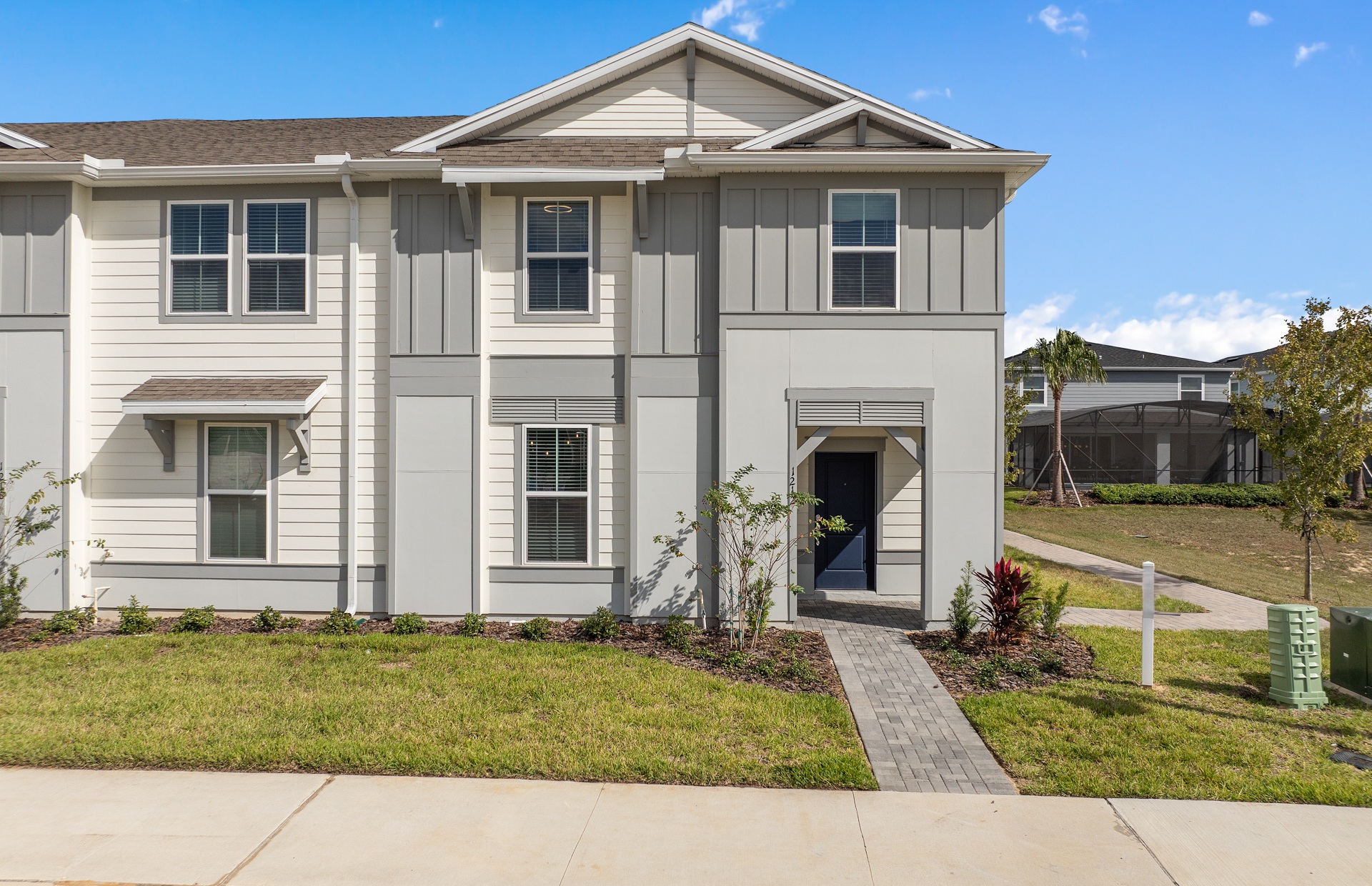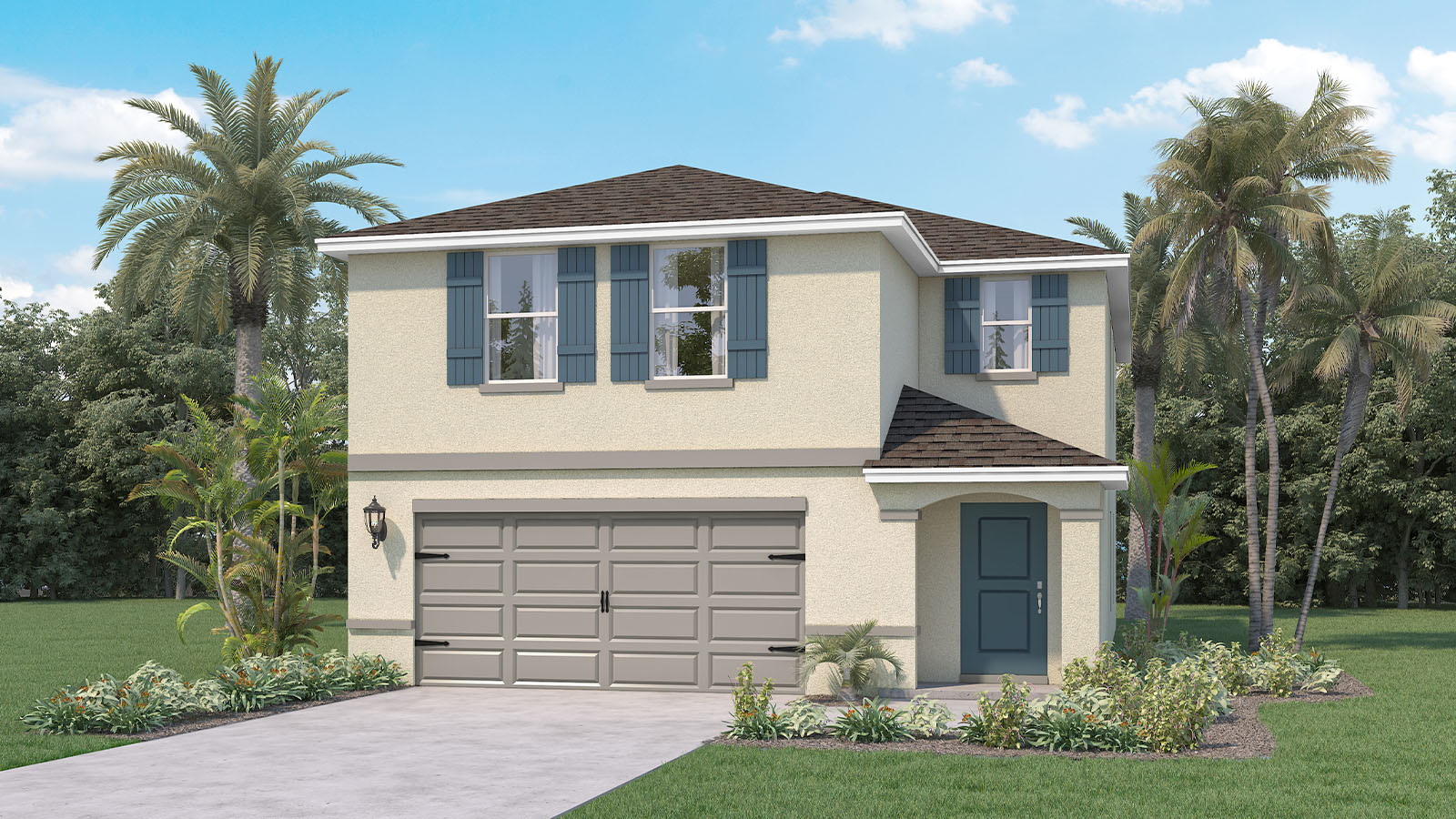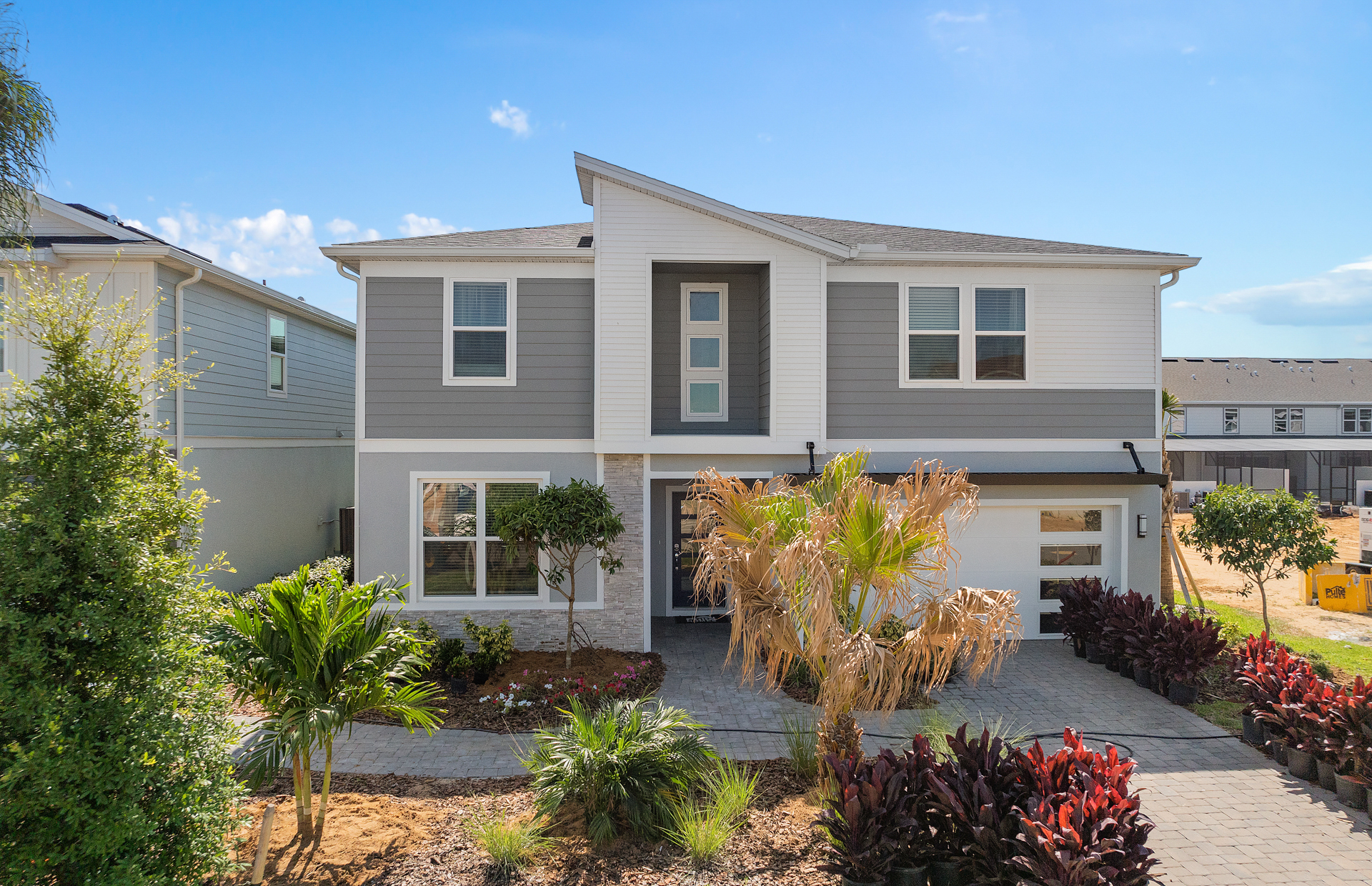
Investing in Orlando offers an estimated gross annual yield of 8% to 11% in USD, significantly outperforming Santa Catarina's 6% to 9% yield in BRL. Additionally, Orlando's property appreciation is more stable, making it a compelling option for Brazilian investors looking to diversify their portfolios in 2026.
What Are the Key Considerations for Brazilian Investors in 2026?
As the Brazilian real loses purchasing power and the Santa Catarina real estate market reaches historic highs, discerning investors are asking whether to continue investing in Itapema or Balneário Camboriú, or to allocate capital to Orlando. This analysis provides a data-driven comparison to help you make an informed decision.
What Are the Comparable Segments in Each Market?
We will compare two equivalent segments in each market:
- SC: 2-bedroom apartment (70-80 m²), mid-high standard, in a beachfront development in Itapema (Meia Praia) or Balneário Camboriú (boardwalk). Market value: R$ 900,000 to R$ 1.2 million
- Orlando: Townhouse or 3-bedroom apartment in a resort condominium near Disney World (Champions Gate, Kissimmee, Davenport). Market value: USD 300,000 to USD 420,000 (R$ 1.8 million to R$ 2.5 million at current exchange rates)
These properties are comparable in terms of finishing, tourist appeal, and short-term rental demand profile.
How Does Airbnb Yield Compare Between Orlando and Santa Catarina?
| Metric | Itapema / BC (SC) | Orlando (FL) |
|---|---|---|
| High Season Occupancy | 90–97% (Dec–Feb, ~90 days) | 75–85% year-round |
| Low Season Occupancy | 40–60% (Mar–Nov) | 65–78% (steady demand) |
| Average Daily Rate High Season | R$ 650–R$ 950 | USD 180–USD 280 (~R$ 1,100–R$ 1,700) |
| Estimated Gross Annual Revenue | R$ 65,000–R$ 90,000 | USD 28,000–USD 42,000 (~R$ 170k–R$ 250k) |
| Gross Annual Yield (on property value) | 6%–9% in BRL | 8%–11% in USD |
| Management Fee (property manager) | 15%–25% of revenue | 20%–30% of revenue |
| Estimated Net Yield | 4%–6% in BRL | 5.5%–7.5% in USD |
Yield Verdict: Orlando delivers a superior yield in a more stable currency. The difference is amplified when considering that the BRL historically loses 5% to 8% per year against the USD, turning a 5% yield in BRL into a negative real return in dollars during years of intense currency devaluation.
How Does Property Appreciation Differ Between the Two Markets?
| Period | Itapema / BC (SC) | Orlando (FL) |
|---|---|---|
| Appreciation 2019–2024 (nominal) | +110%–145% in BRL | +55%–70% in USD |
| Appreciation 2019–2024 (in USD) | +30%–50% (after BRL devaluation) | +55%–70% in USD |
| Outlook 2025–2028 | +15%–25%/year (market expectation) | +5%–9%/year (interest rate decline cycle) |
| Reversal Risk | Medium (dependence on BRL/SELIC cycle) | Low-Medium (deep and diversified market) |
Appreciation Verdict: Santa Catarina shows superior nominal appreciation in BRL. However, in USD, the advantage compresses or reverses depending on the currency cycle. Orlando provides lower appreciation, but in USD, with lower systemic risk due to the size and depth of the American market.
How Does the Exchange Rate Impact Investment Decisions?
The exchange rate is a critical factor that often differentiates the two investment strategies and is frequently overlooked.
Consider the following scenario:
- In 2016, the dollar was at R$ 3.25. An apartment in BC purchased for R$ 500,000 represented USD 153,846.
- By 2024, the same property appreciated to R$ 950,000 (+90% nominal), but with the dollar at R$ 5.00, the value in USD rose to USD 190,000 (+23.5% in USD).
- Anyone who invested USD 153,846 in property in Orlando in 2016, with an average appreciation of 55% during the period, would have an asset worth USD 238,462 (+55% in USD).
The property in BC appreciated more in BRL, while the property in Orlando appreciated more in USD. For investors thinking in dollars, particularly Brazilians residing in the USA, this choice has concrete wealth implications.
How Does Liquidity Compare Between the Two Markets?
| Aspect | SC (Itapema/BC) | Orlando (FL) |
|---|---|---|
| Average Selling Time | 3–8 months | 2–5 months |
| Depth of Buyer Market | Primarily domestic (BRL) | Domestic + international (USD) |
| Remote Selling Possibility | Requires power of attorney + physical notary | 100% remote via closing agent |
| Transaction Costs on Sale | Commission (6%–8%) + ITBI + registration | Commission (5%–6%) + closing costs (~1%–2%) |
Liquidity Verdict: Orlando has a deeper buyer market, a simpler selling process for non-residents, and the possibility of 100% remote closing. Santa Catarina has excellent liquidity by Brazilian standards, but selling requires presence or power of attorney.
What Are the Financing Options Available for Foreign Investors?
Orlando presents a frequently underestimated advantage: DSCR financing for foreigners.
- In Orlando: 30% down payment, 70% financing at a fixed rate for 30 years. Airbnb income covers the mortgage payment on well-chosen properties, allowing the property to largely pay for itself.
- In SC: 20%–30% down payment is possible, but financing rates (TR + 8.5% p.a. or IPCA + 6% p.a.) are substantially higher in real terms. In a high SELIC scenario, the cost of credit can exceed the yield of the property.
Which Market Should You Choose for Your Investment Strategy?
When Should You Choose Santa Catarina (Itapema or BC)?
- Your income and expenses are primarily in BRL.
- You believe in superior nominal appreciation in the next 3 to 5 years on the Santa Catarina coast.
- You value management ease in a market you know well.
- You want to use the property personally during the seasons.
- Your investment horizon is short to medium term (3 to 7 years).
When Should You Choose Orlando?
- You live or earn income in dollars.
- You want to protect part of your wealth against BRL currency devaluation.
- You seek yield in USD with occupancy demand distributed throughout the year.
- You prefer a 100% remote buying and selling process with simplified documentation.
- You have a long-term horizon (7 to 15 years) and want to build dollar-denominated wealth.
What Is the Strategy of the Most Sophisticated Investors?
The allocation that the wealthiest investors in SC are making in 2026 is not a choice between one market and another. It is an intentional division:
- 50% to 60% of real estate capital in SC (Itapema or BC) to capture appreciation in BRL and for personal use.
- 40% to 50% in Orlando to anchor wealth in USD and generate dollar-denominated income independent of the Brazilian currency cycle.
What Is the Ultimate Investment Question?
The correct question is not "which market is better?" It is "what proportion of each market maximizes my wealth objectives, given my time horizon and current currency exposure?"
Buldora exists to help Brazilian investors answer this second question accurately and to execute the American side of the equation with curated inventory, DSCR financing support, and oversight of the acquisition process from start to finish.
"Investing wisely requires understanding not just the markets, but the currency dynamics that influence returns." — Raphaela Rolim, Co-founder and Chief Strategist