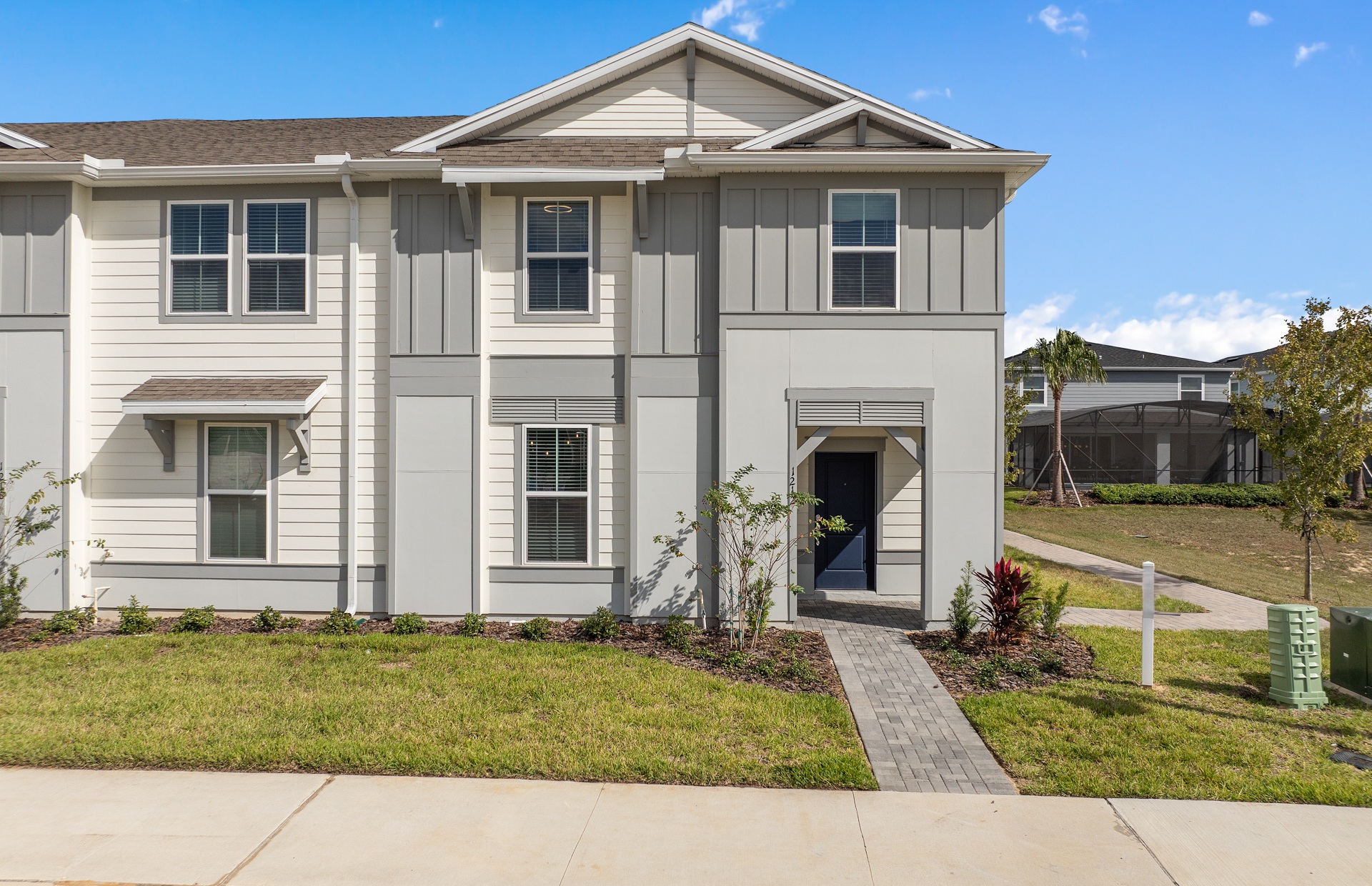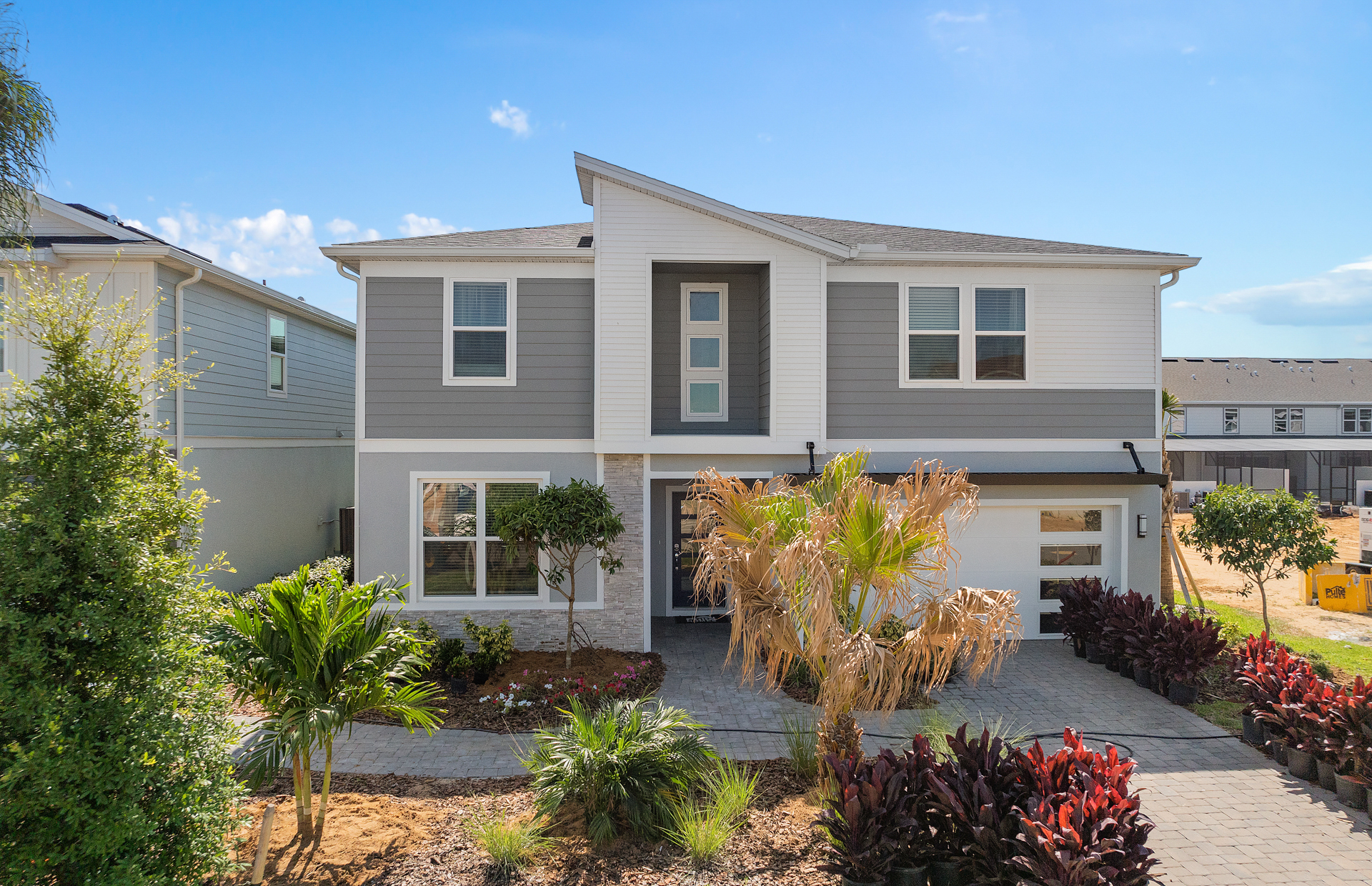
Is Airbnb worth it in the U.S.? Short-term rentals can earn more than long-term ones in tourist destinations, but they require more management and carry seasonality. This guide covers the advantages, the disadvantages, and when it makes sense.
Short-term rentals can have a higher gross return in tourist cities, but with more seasonality, operating costs, and local rules. Long-term offers predictability.
Advantages of short-term rentals
- Potentially higher return: in high season, the nightly rate exceeds the monthly-rent equivalent.
- Flexibility: you can use the property during chosen periods.
- Tourist demand: cities like Orlando have a steady flow of visitors.
Disadvantages and cautions
There is seasonality (weaker months), higher operating costs (cleaning, management, platforms), and local rules that restrict short-term rentals in some cities and communities. Checking the regulations before buying is essential.
Short or long term?
Short-term can earn more, but with more work and variability. Long-term offers predictability and less effort. The choice depends on your profile and the city. Compare the ranges in how much a U.S. property earns.
Frequently asked questions
Does Airbnb earn more than a standard rental?
It can earn more in tourist destinations, but with seasonality and higher costs. It is not guaranteed.
Does every city allow Airbnb?
No. Some cities and communities restrict short-term rentals. Check first.
Can it be managed remotely?
Yes, with a property manager specialized in short-term rentals.
Conclusion
Airbnb in the U.S. is worth it when the city allows it, demand is strong, and management is good. For those who prioritize predictability, long-term may be better. The key is aligning the strategy with the goal. See also Miami vs Orlando.
Find the best rental strategy. Talk to Buldora.
Sources
Buldora's analysis based on official sources, including the IRS (U.S. taxes, FIRPTA, ITIN/Form W-7). Informational only; not legal, tax, or investment advice.